2026 Top Dehydrated Onion Snacks Suppliers Worldwide

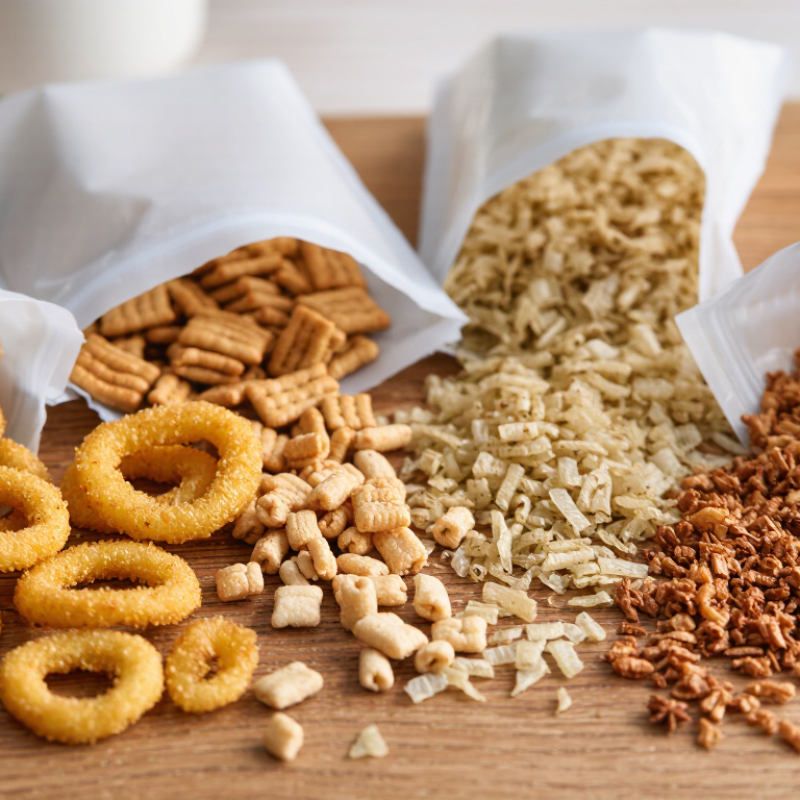
The 2026 global market for Dehydrated Onion Snacks is becoming more practical, diverse, and quality-focused. Suppliers now serve supermarkets, outdoor retailers, airline caterers, and online snack brands. Their products may include crisp onion rings, seasoned flakes, baked clusters, and light snack mixes.

Food scientist Dr. Kantha Shelke offers a useful reminder: “Dehydration preserves an ingredient, but it cannot repair poor quality.” This principle matters when comparing international suppliers. Fresh onion variety, slicing thickness, drying temperature, oil control, and packaging all influence the final bite. A thin slice should crack cleanly, not bend like damp paper. The aroma should remain savory, not burnt or strangely sweet.

This guide reviews leading suppliers through product consistency, ingredient transparency, certifications, production capacity, and export experience. It also considers practical details, including moisture protection, resealable packaging, private-label support, and minimum order quantities. These points often matter more than attractive catalog images.

Not every large supplier is the best choice. Some smaller producers offer brighter flavor and closer customer service, although their capacity may be limited. That trade-off deserves attention. Price alone can mislead buyers.

Supplier information can change during 2026. Production sites, certifications, and regional availability should be verified directly before commercial decisions. Samples should also be tested after shipping, not only at the factory. A crunchy snack may soften during transit. That small failure can damage an otherwise reliable partnership.
2026 Top Dehydrated Onion Snacks Suppliers Worldwide

2026 Global Market Scope: Onion Dehydration Growth and Trade-Flow Data

Global onion dehydration is expanding alongside a huge raw-material base. FAOSTAT reports global onion and shallot production above 100 million tonnes in 2022. This scale supports steady demand for dried flakes, minced onion, granules, and powder.

Trade-flow data under HS 071220 show China, India, the United States, Egypt, and the Netherlands as important supply or distribution points. ITC Trade Map records strong cross-border movement into food manufacturing markets across Europe, North America, and Asia. The Netherlands often acts as a redistribution hub.

Container routes matter here. Dried onion is lighter than fresh produce, but moisture control remains critical.

Market forecasts are useful, though imperfect. Several commercial studies estimate a mid-single-digit annual growth rate for the global dehydrated onion market through 2030. Growth is linked to convenience foods, seasoning blends, sauces, and longer shelf life.

Yet forecasts can overstate demand when harvest conditions change. A processor should compare report projections with monthly customs data, crop yields, and freight costs.

Small details matter. A brown edge, uneven granulation, or weak packaging seal can reduce buyer confidence quickly.

Reliable sourcing requires more than low prices. Suppliers should document origin, microbial testing, moisture levels, pesticide compliance, and batch traceability.

Buyers also need to examine seasonality. A strong export month may reflect inventory clearance, not genuine market growth.

Raw Onion Supply: Yield, Seasonality, and Regional Production Benchmarks

2026 Top Dehydrated Onion Snacks Suppliers Worldwide

Raw Onion Supply: Yield, Seasonality, and Regional Production Benchmarks

Raw onion availability determines dehydrated onion quality, pricing, and processing continuity. Fresh bulbs usually contain 86–90% water. In practical plants, 8–10 tonnes of sound onions may produce one tonne of dehydrated product. The ratio changes with variety, solids, peeling loss, and drying efficiency. Small bulbs can increase trimming waste. High-solids cultivars often perform better.

Timing matters. India commonly supplies onions from winter and summer harvest cycles, with availability shifting between March and December. China often enters major export windows from June through September. Egypt supplies important spring and summer volumes, while the United States and parts of Europe typically harvest from August to October. These periods are useful benchmarks, not fixed rules. Weather can move harvest dates by several weeks.

Regional supply also differs in handling standards. Dry inland areas may reduce field moisture, but storage ventilation still controls rot and sprouting. Buyers should check bulb diameter, skin condition, soluble solids, pesticide documentation, and microbial test results. A reliable supplier should provide lot-specific records, not only seasonal averages. That detail matters.

Yield estimates can mislead. Some processors report theoretical output instead of packed yield after sorting and breakage. I would question unusually high conversion claims. A pilot run using the buyer’s preferred onion grade gives stronger evidence than a spreadsheet. Prices also deserve caution, because a cheap crop may carry higher waste, weaker color, or inconsistent flakes.

2026 Top Dehydrated Onion Snacks Suppliers Worldwide — Raw Onion Supply: Yield, Seasonality, and Regional Production Benchmarks

The chart compares leading onion-producing countries using rounded 2023 raw-onion production and average yield benchmarks. Higher production supports large-scale dehydrated onion sourcing, while yield indicates agricultural productivity and potential raw-material efficiency.

Production is shown in million metric tonnes; yield is shown in tonnes per hectare. Values are rounded benchmarks based on FAOSTAT Crops and Livestock Products data for onions, including shallots. Onion harvest timing varies by climate, with major Northern Hemisphere supply generally concentrated from late spring through autumn.

Source: FAOSTAT — Crops and livestock products.

Product Specifications: 5–8% Moisture, Cut Sizes, Color, and Microbial Limits

2026 Top Dehydrated Onion Snacks Suppliers Worldwide

For dehydrated onion snacks, specifications often reveal more than attractive samples. A moisture range of 5–8% supports crispness and reduces clumping during storage. However, moisture alone cannot confirm product stability. Buyers should request water activity data, test methods, and recent certificates of analysis.

Cut size affects texture, seasoning coverage, and packing speed. Common options include 3×3 mm flakes, 8–16 mesh granules, and fine powder. Suppliers should define size tolerance, not only the nominal measurement. A simple sieve test can expose excessive fines or uneven pieces. I have found that mixed cuts may taste acceptable, yet they create inconsistent bite quality.

Color deserves a written target. Pale cream, golden, and light brown shades can result from onion variety, drying temperature, or age. A visual reference is useful, but color values provide better control. Suppliers should also explain their sampling procedure. One bright sample proves very little.

Microbial limits must match the destination market and snack application. Buyers commonly review total plate count, yeast and mold, coliforms, Salmonella, and other relevant pathogens. Testing should come from an accredited laboratory, with batch identification and production dates. Clean packaging cannot correct weak processing controls. That point is easy to overlook.

Storage trials should include heat, humidity, and transport handling. A supplier may meet 5–8% moisture at dispatch but miss the target after several weeks. This is where specifications need revision, not blind acceptance.

Worldwide Supplier Evaluation: Capacity, MOQ, Lead Time, and HACCP/ISO 22000

2026 Top Dehydrated Onion Snacks Suppliers Worldwide

Global onion production exceeds 100 million tonnes annually, according to recent FAOSTAT data. That scale does not guarantee reliable dehydrated snack supply. Buyers should request verified annual capacity, not impressive monthly claims. Capacity should include slicing, drying, seasoning, and packing limits. A factory may dry 500 tonnes monthly but pack far less.

MOQ remains a practical filter for private-label snack programs. Smaller buyers should compare pallet-level MOQs with container-level pricing. Lead time needs separate figures for raw-material purchasing, production, laboratory release, and shipment. Ten days sounds attractive. It may exclude testing. For planning, ask suppliers to show their average and worst-case lead times from the past twelve months.

Food safety evidence deserves closer inspection. ISO 22000 certification supports a structured food-safety management system, while HACCP records show operational hazard control. They are not interchangeable. Request current certificates, audit scope, corrective-action records, allergen controls, and recent microbiological results. Codex General Principles of Food Hygiene and its HACCP framework remain useful reference points. Supplier documents can still be incomplete. I would also check moisture, sulfur dioxide, foreign-material controls, and packaging seal strength in sample lots. Independent testing adds cost, but a failed shipment costs more. For 2026 sourcing, score capacity, MOQ, lead time, and certification together, then verify each claim against production records and shipment history.

Supplier Selection by Use Case: Retail Snacks, Foodservice, and Industrial Buyers

2026 Top Dehydrated Onion Snacks Suppliers Worldwide

Retail snack buyers need consistent color, crispness, and clean seasoning performance. The 2024 FAOSTAT database places global onion production above 100 million tonnes annually, creating a broad raw-material base for dehydration. Yet volume alone does not prove supplier quality. Request moisture results, sulfur dioxide status, microbiological testing, and batch photographs. A pale, brittle onion piece can damage shelf appeal quickly. Retail packs also need stable flakes that survive transport without turning dusty. Small sample tests matter.

Foodservice buyers usually prioritize speed, yield, and predictable rehydration. According to the 2024 Food and Agriculture Organization food outlook, supply-chain volatility continues to affect ingredient planning and food costs. Suppliers should therefore disclose crop origin, harvest timing, lead times, and backup processing capacity. Test a 50-gram sample in soup, sauce, or burger seasoning. Record swelling time and final flavor. It sounds basic. It is often missed.

Industrial buyers require tighter specifications and larger production assurance. Recent market analyses from Grand View Research estimate continued growth in the global dehydrated vegetables sector through the decade, supported by convenience foods and longer shelf life. However, some reports combine onions with other vegetables, limiting precision. Buyers should avoid treating every forecast as fact. Compare sieve size, water activity, pack format, audit records, and annual capacity. The best supplier is not always the largest; it is the one that repeats the same result.

2026 Top Dehydrated Onion Snacks Suppliers Worldwide - Supplier Selection by Use Case: Retail Snacks, Foodservice, and Industrial Buyers

Selection Rank Anonymized Supplier Profile Primary Supply Region Best-Fit Buyer Common Dehydrated Onion Formats Typical Cut Sizes Typical Moisture Target Recommended Application Typical Export Packaging Typical Commercial MOQ Typical Lead Time Selection Score
1 Large-scale onion dehydration processor South Asia Industrial buyers and private-label snack manufacturers Flakes, minced onion, granules, powder 1–3 mm minced; 3–8 mm flakes; mesh-standard granules Usually ≤ 8% by weight Seasoning blends, extruded snacks, instant foods 20–25 kg multi-wall bags with inner liner 500 kg–1 metric ton 25–45 days 9.4/10
2 Food-safety-focused export processor North America Retail snack brands and foodservice distributors Diced onion, toasted onion, onion powder 2–4 mm diced; 4–8 mm pieces; 60–100 mesh powder Generally 5–8% by weight Snack coatings, dips, sauces, prepared foods 10–25 kg food-grade lined cartons or bags 250–500 kg 14–30 days 9.2/10
3 EU-oriented certified ingredient supplier Western and Central Europe Retailers requiring traceability and controlled specifications Flakes, rings, minced onion, granules 2–5 mm minced; 5–10 mm flakes; 8–16 mesh granules Typically ≤ 8% by weight Premium snack mixes, bakery toppings, ready meals 10–20 kg paper sacks or lined cartons 100–300 kg 15–35 days 9.0/10
4 High-volume agricultural drying cooperative South America Cost-sensitive industrial buyers Flakes, diced onion, granules, powder 3–6 mm diced; 5–10 mm flakes; 16–30 mesh granules Usually 6–9% by weight Bulk seasoning, savory snacks, soups and sauces 20–25 kg woven or multi-wall bags with liner 1–5 metric tons 30–60 days 8.7/10
5 Organic and clean-label ingredient processor Oceania Organic retail snack and wellness-food producers Organic flakes, minced onion, powder 2–4 mm minced; 4–8 mm flakes; 80–100 mesh powder Commonly ≤ 8% by weight Organic snack mixes, natural seasoning and meal kits 5–15 kg certified food-grade bags or cartons 100–250 kg 30–70 days 8.5/10
6 Foodservice-focused ingredient wholesaler Middle East and North Africa Restaurant groups, caterers and regional distributors Diced onion, flakes, granules and powder 3–5 mm diced; 5–10 mm flakes; 16–30 mesh granules Usually 7–10% by weight Restaurant sauces, burger toppings, marinades and soups 10–25 kg lined bags; smaller foodservice packs available 100–500 kg 15–40 days 8.3/10
7 Specialty toasted-onion producer Northern Europe Premium retail and foodservice snack developers Toasted onion pieces, crispy onion toppings, flakes 2–4 mm pieces; 4–8 mm flakes; topping-grade fragments Product-dependent; commonly ≤ 8% Snack toppings, salads, sandwiches and savory bakery 5–15 kg moisture-barrier bags or cartons 50–200 kg 20–45 days 8.1/10
8 Flexible small-batch seasoning manufacturer East Asia Start-ups, test launches and specialty snack producers Powder, granules, minced onion and custom blends 1–3 mm minced; 16–30 mesh granules; 60–100 mesh powder Typically 6–9% by weight Trial batches, seasoning premixes and niche snack products 5–20 kg laminated bags or cartons 25–100 kg 20–50 days 7.9/10
9 Commodity-scale bulk dehydrated vegetable supplier Central and Eastern Europe Large industrial food manufacturers Standard flakes, diced onion, granules and powder 3–6 mm diced; 5–10 mm flakes; 16–30 mesh granules Usually ≤ 9% by weight Industrial sauces, soups, seasonings and snack bases 20–25 kg bags or 500–1,000 kg bulk bags 1–10 metric tons 30–75 days 7.7/10
Data note: The specifications shown are representative 2026 international-market ranges for dehydrated onion ingredients. Actual moisture limits, microbiological criteria, cut-size tolerances, certifications, minimum order quantities and delivery dates should be confirmed through the supplier’s current technical specification, certificate of analysis and commercial quotation.
'