2026 Top PP Woven Bag Trends for Global Buyers?
As the demand for sustainable packaging solutions grows, the PP Woven Bag industry is evolving rapidly. According to a recent report by Smithers Pira, the global market for polypropylene woven bags is projected to reach $9.2 billion by 2026. This trend reflects a broader shift toward eco-friendly materials in various sectors, including agriculture, construction, and retail.
Innovation drives the adoption of PP woven bags. Manufacturers are exploring stronger, lighter materials to improve functionality while reducing waste. However, this industry faces challenges such as fluctuating raw material prices and the need for recyclability. Buyers must carefully evaluate these factors when selecting suppliers that prioritize sustainability.
In 2026, trends will likely showcase more versatile designs, vibrant colors, and customized branding opportunities. While these changes are promising, companies must remain committed to transparency and environmental stewardship. The journey toward more responsible packaging is ongoing, and the role of PP woven bags in this transition is crucial.
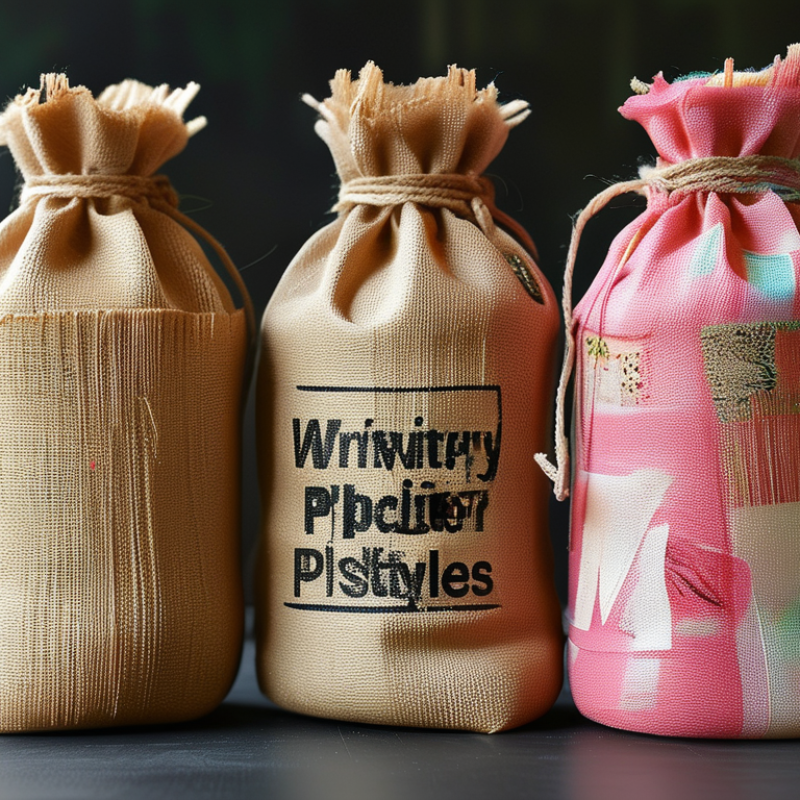
Emerging Sustainable Materials in PP Woven Bag Production
The demand for sustainable materials in PP woven bag production is surging. Researchers report that the global eco-friendly packaging market is projected to reach $500 billion by 2027. This shift reflects a growing awareness of environmental impact among consumers and industries alike.
Biodegradable additives are gaining traction. These additives enhance the decomposition of polypropylene bags in landfills. A recent study demonstrated that bags with these additives break down 20% faster than conventional ones. However, the effectiveness of these materials can vary, and further research is needed to standardize their use.
Recycled materials are also being explored. The use of post-consumer recycled polypropylene (RCP) can reduce the carbon footprint significantly. Some estimates suggest RCP can cut emissions by more than 30%. Nonetheless, quality control remains a challenge. Ensuring the strength and durability of recycled bags is essential. Balancing sustainability with reliability is still a work in progress for many manufacturers.
Innovations in Design and Durability for Global Trends
The PP woven bag industry is evolving rapidly. Global buyers seek bags that combine aesthetics with practical durability. Innovations in design are shaping the future, focusing on eco-friendly materials and unique patterns. These trends reflect a growing consumer awareness regarding sustainability.
Many manufacturers are experimenting with various textures and colors. Bright and bold prints appeal to younger generations. However, achieving the right quality while reducing costs poses a challenge. Some designs look great but fail to hold up under pressure. This disconnect can lead to disappointment among buyers.
Durability remains a primary concern. Bags must withstand daily wear and tear. Some new materials are promising, yet they require testing. The balance between innovation and reliability is crucial. As the market continues to change, it will be essential for producers to prioritize both appearance and functionality.
Customization and Branding Opportunities for Buyers
Customization and branding in the PP woven bag industry are shaping market trends for 2026. Buyers are increasingly looking for ways to differentiate their products. According to a recent market analysis, about 70% of consumers prefer brands that offer personalized packaging. This presents significant opportunities for businesses willing to invest in unique designs.
The rise in eco-consciousness also plays a key role. Many consumers seek out sustainable materials, making it essential for buyers to consider eco-friendly customization options. A report by the Global Packaging Association indicates that 65% of global buyers are willing to pay more for sustainable packaging solutions. This offers brands a chance to enhance their image while meeting consumer demands.
However, there are challenges in achieving effective customization. While many companies invest in innovative designs, not all succeed in execution. Misalignment between brand identity and packaging can lead to consumer confusion. This highlights the importance of thorough market research. Understanding target demographics will refine branding strategies. Balancing creativity with practicality is crucial for effective implementation.
Market Insights: Consumer Preferences and Purchasing Trends
The demand for PP woven bags is on the rise. Global consumers are increasingly focused on sustainability. They prefer eco-friendly materials over traditional options. The trend towards minimalism also influences purchasing behavior. Buyers are interested in bags that are functional yet stylish. Versatile designs can appeal to a broader audience.
Tips for buyers: Look for suppliers who prioritize sustainability. Ask about the materials used in production. Products made with recycled materials are often a great choice. Also, consider the bag's lifespan. Durable options can provide better long-term value.
Another observation is the shift towards local sourcing. Consumers appreciate supporting local economies. This also reduces the carbon footprint associated with transportation. Buyers should consider products produced closer to home. It may lead to better quality and service. Remember, the right choice promotes responsible consumerism.
Regulatory Influences on PP Woven Bag Manufacturing and Usage
The landscape of PP woven bag manufacturing is changing due to regulatory influences. Governments worldwide are enacting legislation to support sustainability. This can significantly affect production processes and materials used in manufacturing PP woven bags. Compliance with these regulations may require investment in new technologies or materials, creating both challenges and opportunities.
Moreover, regulatory frameworks often focus on reducing plastic waste. This means that manufacturers must adapt to meet stricter guidelines. For instance, some countries are implementing bans on single-use plastics. Consequently, PP woven bags may position themselves as more eco-friendly options. However, staying compliant can be resource-intensive and complex.
The industry's response to regulations showcases a blend of innovation and resourcefulness. Manufacturers must engage in continuous improvement. Understanding local regulations becomes crucial. Collaboration with regulatory bodies can yield insights. Yet, the path to compliance may be filled with obstacles, necessitating a thoughtful approach from manufacturers. Adapting to these changes is not just an obligation; it’s a chance to redefine practices for the better.

 '
'
