7 Best Noise Cancelling Curtains for Soundproofing?
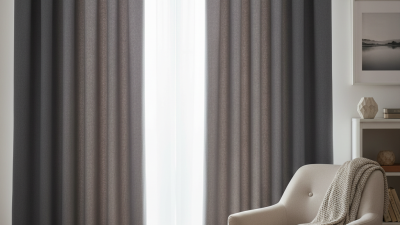
Choosing the best noise cancelling curtains requires a clear understanding of what curtains can actually do. They do not cancel sound electronically, and they cannot create a fully sealed room. Instead, dense curtains may absorb reflections, reduce high-frequency noise, and soften traffic, voices, or hallway sounds. Their performance depends on fabric weight, lining, coverage, pleat fullness, and installation.
Acoustics consultant John Storyk explains, “Sound control depends on the entire room, not one surface alone.” This principle matters when comparing the seven products in this guide. A thick curtain covering only a narrow window may look impressive but leave sound paths around the frame. A wider, floor-length panel can perform better. Small details matter.
Look for tightly woven materials, multilayer construction, generous overlap, and ceiling-to-floor coverage. Some products include acoustic backing, while others mainly block light and reduce echo. The difference is easy to notice beside a busy street. Yet results will vary.
This guide examines practical features, not exaggerated promises. It considers material density, curtain dimensions, mounting systems, maintenance, price, and user feedback. You will also see where each option may fall short. That part is important.
Noise cancelling curtains can improve comfort, especially in bedrooms, nurseries, home offices, and recording spaces. They work best alongside sealed gaps, rugs, upholstered furniture, and properly fitted windows. Expect improvement, not silence. That expectation may prevent an expensive mistake.
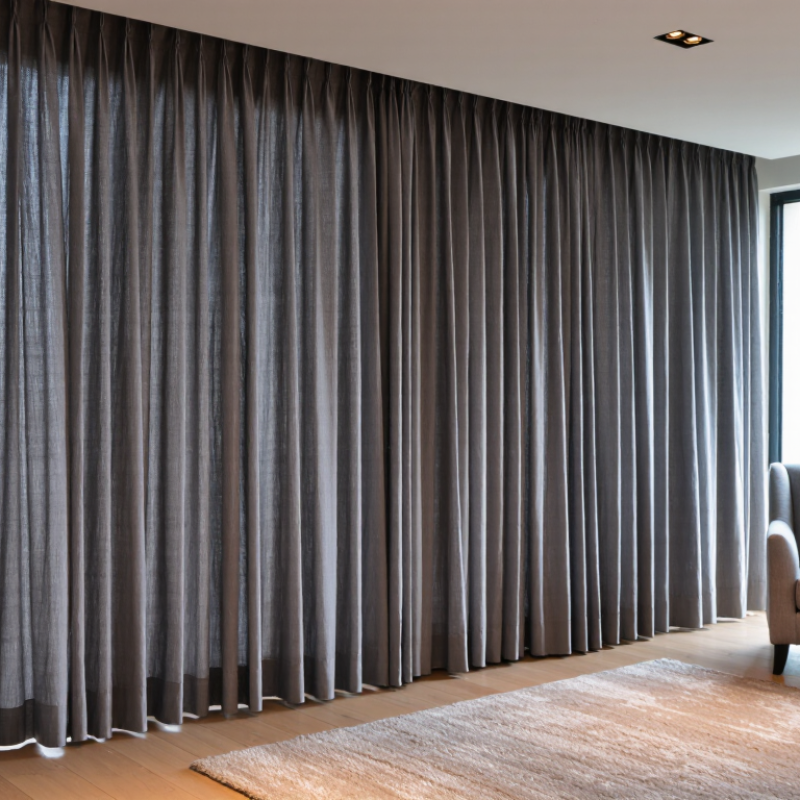
What Noise-Cancelling Curtains Are and How They Reduce Sound
Noise-cancelling curtains are usually acoustic curtains, not electronic noise-cancellation systems. They use dense, layered fabrics to add mass between a room and outside noise. Their folds and porous surfaces also absorb some reflected sound, especially speech, traffic hiss, and high-frequency noise. Low bass from engines or construction remains difficult to block.
The need is measurable. The European Environment Agency’s Environmental Noise in Europe 2020 report estimated that over 113 million Europeans faced harmful road-traffic noise exposure. The World Health Organization recommends keeping indoor bedroom noise below 30 dB at night for good sleep. Curtains alone rarely achieve that target. Their performance depends on fabric weight, window gaps, installation quality, and the building itself.
Small details matter. Hang the curtain beyond the frame, let it reach the floor, and use generous pleats. A sealed track can reduce side leakage better than a simple rod. Laboratory testing under ISO 354 may report sound absorption, but absorption is not the same as sound transmission loss. Check the test method before trusting a dramatic number.
Realistically, these curtains can make a room feel calmer, not silent. I would avoid promising a fixed decibel reduction without independent testing. A badly fitted curtain may look substantial but perform poorly. That is the uncomfortable part. []
7 Best Noise-Cancelling Curtains for Soundproofing? - What Noise-Cancelling Curtains Are and How They Reduce Sound
Note: Noise-cancelling curtains do not create a fully soundproof room. The sound-reduction figures below are indicative ranges for well-fitted, full-height curtains with substantial overlap and generous pleating; actual performance varies with fabric, window size, installation, gaps, and the noise frequency.
| Curtain Type |
Typical Construction |
Approx. Fabric Weight |
Typical Thickness |
Indicative Noise Reduction* |
Best For |
Installation Priority |
| Multi-Layer Acoustic Curtain |
Three or more layers combining a dense face fabric, sound-absorbing interlining, and tightly woven backing |
1,000–2,000 g/m² |
8–15 mm |
Approx. 4–8 dB |
Traffic, voices, and general outdoor noise |
Full wall-to-wall coverage; sealed sides preferred |
| Velvet Blackout Curtain |
Dense pile fabric with a blackout backing that adds mass and limits small air gaps |
500–900 g/m² |
3–7 mm |
Approx. 2–5 dB |
Bedrooms, home offices, and street-facing windows |
Use a wide curtain rod and 1.5–2.0× fullness |
| Quilted Sound-Absorbing Curtain |
Stitched outer layers surrounding a fibrous or foam-like acoustic core |
800–1,500 g/m² |
6–12 mm |
Approx. 3–7 dB |
Echo control and mid-to-high-frequency noise |
Hang close to the window or doorway with minimal gaps |
| Stage-Weight Drapery |
Very dense theatrical fabric designed to block light and add substantial surface mass |
600–1,200 g/m² |
4–10 mm |
Approx. 3–6 dB |
Large windows, studios, and media rooms |
Install on a strong track with overlapping center panels |
| Lined Thermal Curtain |
Decorative face fabric combined with a dense thermal or blackout lining |
350–800 g/m² |
3–8 mm |
Approx. 1–4 dB |
Apartments needing both insulation and privacy |
Extend beyond the window frame on all sides |
| Acoustic Divider Curtain |
Heavy, flexible curtain intended to separate spaces and absorb reflected sound |
900–1,800 g/m² |
7–14 mm |
Approx. 3–7 dB |
Open-plan rooms, doorways, and room partitions |
Use floor-to-ceiling coverage with side overlap |
| Layered Curtain System |
Two separate curtain layers with an air space between them for additional absorption and mass |
700–1,500 g/m² combined |
6–15 mm combined |
Approx. 3–7 dB |
Windows exposed to variable outdoor noise |
Combine a heavy outer layer with a tightly fitted inner layer |
How these curtains reduce sound:
Dense fabrics add mass, multiple layers absorb reflected sound, pleats increase the effective surface area, and full coverage reduces sound leakage around the window. They are generally more effective against voices, traffic hiss, and other mid-to-high-frequency sounds than against bass, engines, or structural vibration.
Key Features to Compare When Choosing Soundproofing Curtains
The 7 Best Noise Cancelling Curtains for Soundproofing are not chosen by appearance alone. Their acoustic specifications matter more. Start with weight and construction. Dense, multilayer curtains usually reduce reflected speech and street noise better than thin decorative fabric. However, “soundproof” is often an exaggerated label. Curtains cannot seal glass, walls, or door gaps.
Compare the Noise Reduction Coefficient, or NRC, when available. NRC describes sound absorption, especially across speech frequencies. It does not measure complete sound blocking.
For stronger evidence, request laboratory transmission-loss results tested under ASTM E90 or an STC classification under ASTM E413. These standards help separate marketing claims from tested performance.
The World Health Organization’s 2018 Environmental Noise Guidelines recommend keeping road-traffic noise below 45 dB outdoors at night. A curtain alone will rarely achieve that indoors.
Check the curtain’s actual coverage. Floor-to-ceiling panels, generous pleats, overlapping edges, and ceiling-mounted tracks reduce open paths around the fabric. A flexible magnetic seal can help, but it may wear quickly. Look for flame-resistance documentation and washable materials. Heavy curtains can also stress weak rods.
Installation matters more than many buyers expect. In practice, I would measure the window twice and cover the surrounding wall, not only the glass. My own judgment would remain cautious: a curtain may noticeably soften voices, echoes, and high-frequency traffic, yet do little against bass or construction vibration. Choose products with independent test data, clear fabric weight, and return policies.
Seven Top Noise-Cancelling Curtain Options for Different Needs
Seven Top Noise-Cancelling Curtain Options for Different Needs
Noise-cancelling curtains do not create true soundproofing. They soften reflections, reduce drafts, and limit some outside noise. For bedrooms, choose layered blackout curtains with dense inner linings. They add weight and help create a quieter, darker space. Thermal curtains suit cold rooms beside busy streets. Their thick construction can reduce rattling near glass. Acoustic velour curtains work well in studios or media rooms. The soft surface absorbs high-frequency echoes, especially from bare walls.
Floor-to-ceiling curtains cover more gaps around a window. They are useful in tall rooms with noticeable reverberation. For renters, tension-mounted window panels avoid permanent drilling. They fit small windows and remain easy to remove. Doorway curtains can reduce sound leakage through thin interior doors. A ceiling track usually seals better than a loose rod. Portable curtain panels suit shared rooms, workspaces, or temporary recording areas. They can be repositioned when your needs change. Still, results vary.
Tips: Measure beyond the window frame, not only the glass. Let the fabric reach the floor. Use generous fullness, around twice the track width. Seal side gaps where possible. Test one panel at night before buying several. Curtains may disappoint against bass, traffic vibration, or loud neighbors. Combining them with rugs, weather seals, and filled bookshelves often works better. Their appearance matters too; a curtain that stays open cannot help.
How to Install Curtains for Maximum Sound Reduction
Heavy noise-reducing curtains work best when installed as part of a complete window treatment. They cannot fully soundproof a room, but they can soften traffic noise and reduce harsh reflections. Choose dense, floor-length curtains with a tight weave. Mount the track close to the ceiling, not directly above the glass. Extend it at least 15 centimeters beyond each side of the window. This limits sound paths around the fabric.
Tips: Use a ceiling track with smooth, even movement. Let the curtain touch the floor with a slight break. Overlap the center panels by several centimeters. Add a second layer if the room still sounds bright. Seal nearby gaps around the frame, because small openings can weaken the result. Keep the fabric gathered in generous folds. Flat fabric usually performs less effectively.
I once installed curtains that looked heavy but left a narrow gap beside the frame. The improvement was disappointing. After widening the track and adding side returns, the room sounded noticeably calmer. Measure the window, wall, and floor before buying hardware. Check that the support brackets can carry the curtain’s weight. For better coverage, install two separate panels instead of one narrow sheet. Test the room with recorded street noise, then adjust the overlap and wall coverage. Results vary with glass, walls, room size, and existing insulation. That uncertainty matters.
Limitations, Maintenance, and Practical Buying Considerations
Noise-cancelling curtains are often described too generously. Most reduce echo and soften outside noise, rather than creating true soundproofing. The seven best options usually share dense, multilayer construction, a heavy inner lining, and floor-to-ceiling coverage. They work better against voices, traffic hiss, and sharp echoes. Low bass from engines or nearby music usually passes through. Gaps matter. A narrow curtain may look attractive but leave sound paths around the window.
Measure the window, wall space, and ceiling height before buying. The fabric should extend beyond both sides and overlap in the center. Extra fullness improves coverage, although it also increases weight and curtain-rod stress. Check the stated fabric weight, lining materials, return policy, and care instructions. Marketing terms alone prove little. A phone sound-meter app can help compare before-and-after levels, but it is not laboratory evidence.
Maintenance affects performance. Vacuum both surfaces gently, especially near dusty windowsills. Follow the washing label carefully, since hot water can shrink layered fabric. Air-dry heavy panels fully to prevent trapped moisture and odors. Some linings cannot tolerate frequent washing. That is inconvenient. Inspect hooks, seams, and mounting hardware every few months. In my view, curtains are useful for comfort, privacy, and moderate noise reduction, but expecting studio silence is unrealistic. A poorly fitted panel can waste money, even when the material feels impressively thick.
7 Best Noise-Cancelling Curtain Constructions for Soundproofing
Comparison of typical surface mass and thickness across common curtain constructions. Heavier, thicker materials generally absorb more mid- and high-frequency sound, but curtains cannot fully soundproof a room or replace sealed windows, doors, and wall insulation.
The figures are indicative construction ranges rather than brand specifications. For better results, choose floor-to-ceiling coverage, overlap the side edges, use pleats, and minimize gaps around windows. Vacuum or gently brush heavy curtains regularly, follow the care label, and avoid aggressive washing that can damage acoustic backing.



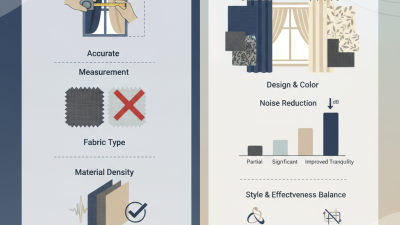
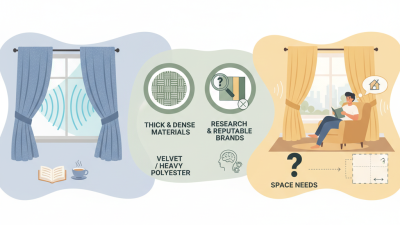
 '
'
