What is Aluminum Sliding Door Profile and Its Benefits?
Aluminum Sliding Door Profile has emerged as a popular choice in modern architecture. These profiles offer numerous advantages that can enhance both aesthetics and functionality in residential and commercial spaces. The lightweight yet durable nature of aluminum provides longevity and strength, making it suitable for various applications.
These door profiles not only improve energy efficiency but also contribute to seamless indoor-outdoor transitions. Their sleek design complements various architectural styles, making them versatile. However, not every installation goes perfectly. Issues like misalignment or inadequate sealing can arise, leading to inefficiencies.
Understanding the benefits of Aluminum Sliding Door Profile can guide homeowners and builders in making informed decisions. Engaging with reputable suppliers ensures quality and durability. Embracing this material's potential can lead to improved living and working spaces, but it requires careful consideration and execution.
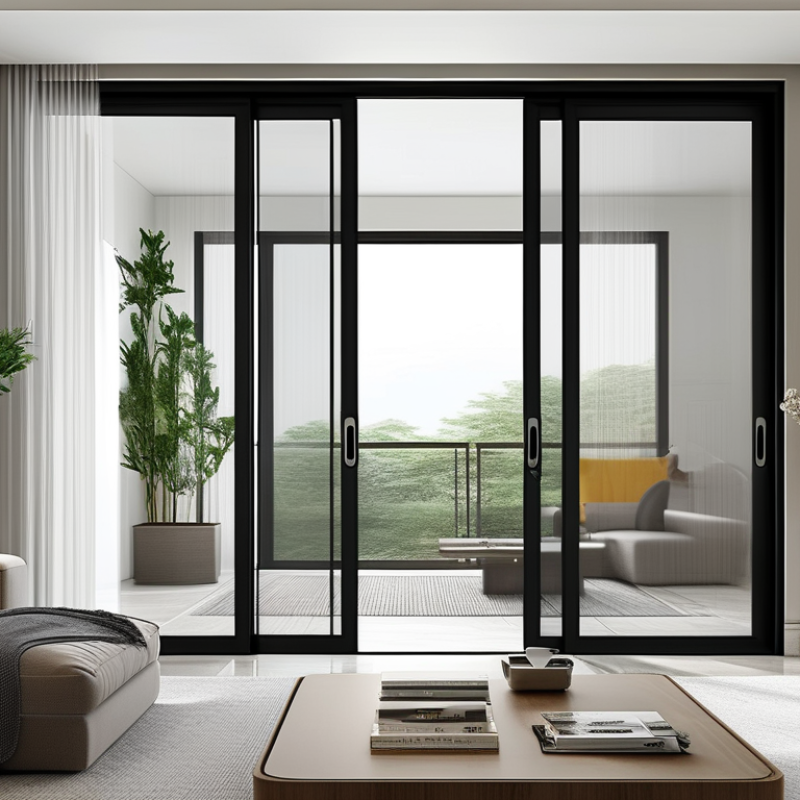
What is an Aluminum Sliding Door Profile?
Aluminum sliding door profiles are essential components in modern architecture. They are designed to provide smooth and efficient access to outdoor spaces. These profiles consist of aluminum frames that support sliding glass panels. Their lightweight nature allows for larger glass surfaces, creating a seamless connection between indoor and outdoor areas.
The benefits of aluminum sliding door profiles are numerous. They are durable and resistant to rust, making them suitable for various climates. Additionally, they offer excellent thermal insulation, which can help reduce energy costs. Maintenance is minimal; a simple wipe-down keeps them looking new.
However, some challenges exist. Installation can be complex and may require professional help. The initial cost may also be higher than traditional doors. Potential buyers should weigh these factors carefully. Despite the drawbacks, the aesthetic appeal and functionality cannot be overlooked. Properly chosen, aluminum sliding doors can enhance any home.
What is Aluminum Sliding Door Profile and Its Benefits?
| Feature | Description | Benefits |
| Material | Aluminum | Durable and resistant to corrosion |
| Design Flexibility | Versatile in style and color options | Enhances aesthetic appeal |
| Energy Efficiency | Thermal insulation properties | Reduces energy costs |
| Maintenance | Low maintenance requirements | Saves time and money |
| Security | Strong locking mechanisms | Increased safety for home |
| Accessibility | Easy to open and close | Ideal for all ages and abilities |
Construction and Design Features of Aluminum Sliding Doors
Aluminum sliding doors are a popular choice in modern architecture. Their design features highlight both functionality and aesthetic appeal. These doors are typically constructed with a thin aluminum frame, allowing for large glass panels. This design maximizes natural light and enhances visibility to the outside.
The construction of aluminum sliding doors offers several advantages. A key feature is their durability. Aluminum does not rust, making it suitable for various climates. Additionally, these doors provide excellent insulation when properly installed. This leads to energy efficiency, which is increasingly important for homeowners.
However, the installation process can be complex. It often requires precise measurements and professional assistance. Improper installation may lead to operational issues. Homeowners should pay attention to these details to ensure a smooth experience. While aluminum sliding doors are stylish, their effectiveness depends heavily on quality installation and maintenance.
Benefits of Using Aluminum Sliding Door Profiles
Aluminum sliding door profiles are becoming a popular choice for both residential and commercial buildings. One of the primary benefits is durability. Aluminum is resistant to corrosion and wear, which means these doors can last for years without needing frequent repairs. This resistance also translates to lower maintenance costs over time.
Another significant advantage is energy efficiency. Aluminum sliding doors can incorporate thermal breaks, reducing heat transfer. They can help maintain comfortable indoor temperatures, ultimately leading to energy savings. However, it's essential to ensure proper insulation during installation to maximize these benefits.
Aesthetics play a role as well. Aluminum profiles can be sleek and modern, enhancing any architectural style. They offer versatility in design, allowing for larger glass panels and unobstructed views. But, one must consider that not all aluminum is created equal, and poor quality profiles can affect both appearance and performance. Careful selection and installation are crucial to make the most of aluminum sliding door profiles.
Comparing Aluminum Sliding Doors with Other Materials
Aluminum sliding doors offer several advantages over traditional materials, such as wood and vinyl. These doors are lightweight yet sturdy. They resist warping and shrinking, common issues with wooden frames. Statistics show that aluminum is 50% lighter than wood, resulting in easier installation and reduced structural strain.
When comparing aluminum to vinyl, energy efficiency becomes a key factor. Vinyl doors typically have lower thermal conductivity. In contrast, aluminum can be enhanced with thermal breaks, improving insulation. A study indicated that properly insulated aluminum frames could reduce heating costs by up to 20%. However, aluminum doors require careful maintenance to prevent corrosion, particularly in coastal areas.
Durability is another significant advantage of aluminum sliding doors. They generally last longer than vinyl and wood. In fact, a report by the American Architectural Manufacturers Association states that aluminum frames can remain functional for 50 years or more. Nevertheless, there may be instances where aesthetic appeal and cost drive consumers toward wood or vinyl alternatives. Each material has strengths and weaknesses to consider based on individual needs and preferences.
Maintenance Tips for Aluminum Sliding Doors
Maintaining aluminum sliding doors can seem daunting, but regular care makes it manageable. Start with cleaning the tracks. Dust and grime can accumulate, causing doors to stick. Use a vacuum to remove debris, followed by a damp cloth. Ensure to dry the area afterward. This simple step can prevent long-term damage and make sliding easier.
Inspect the seals regularly. Over time, they can wear down. Replace damaged seals promptly to prevent drafts and water leaks. Check for rust or corrosion on the hardware. Applying lubricants can help prevent stiffness and ensure smooth operation. Remember, lubrication must be done carefully. Too much can attract more dirt.
Also, consider the overall appearance. Aluminum can dull over time. A gentle wash with soap and water can refresh its look. However, avoid abrasive cleaners. These can harm the surface. Be mindful of the weather. Extreme temperatures can impact the door's functionality. Regular maintenance is vital to prolonging its lifespan.

 '
'
