Why Do Animals Use Syringes for Medical Treatments?
In recent years, the use of syringes in animal medical treatments has gained significant attention. According to the World Animal Vaccine Market Report, the global animal health market is projected to reach $70 billion by 2025, driven in part by advancements in veterinary medicine. This highlights the importance of effective drug delivery methods. Animal use syringes are essential tools for administering vaccines and medications efficiently.
Veterinarians rely on these syringes for precise dosing. Whether it's for small pets or large livestock, accuracy is crucial. Reports indicate that proper syringe use can increase vaccination rates by up to 30%. However, challenges persist. Some pet owners are hesitant to administer injections at home. This raises questions about accessibility and education regarding animal healthcare.
Furthermore, the rise of needle-free technologies presents both opportunities and hurdles. While these may improve comfort for animals, they require extensive training. As the industry evolves, continuous research is needed to ensure best practices in syringe use. The future of animal health depends on our commitment to improving these processes for better outcomes.
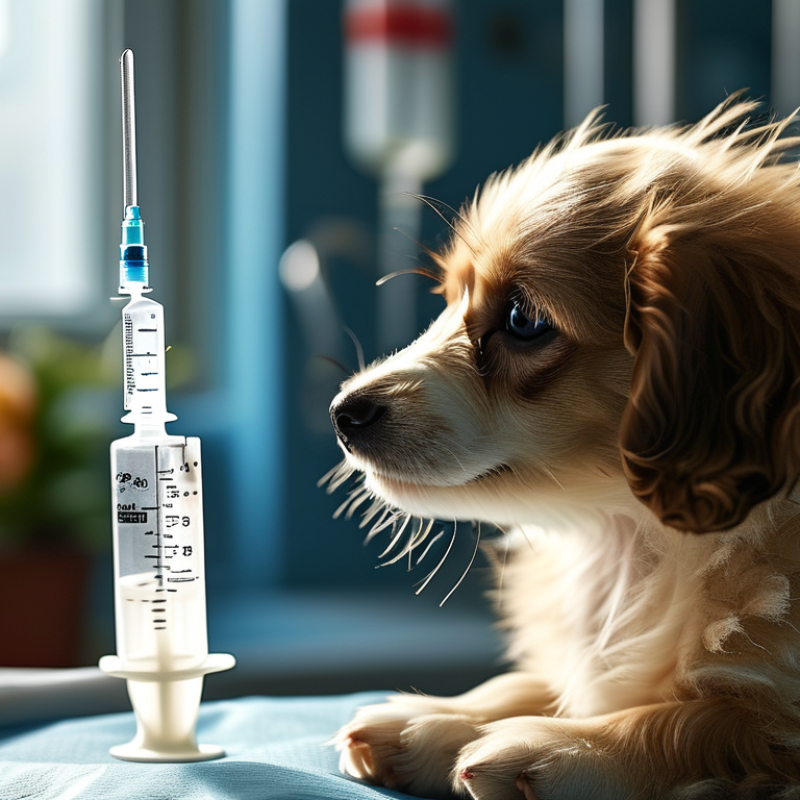
The Role of Syringes in Veterinary Medicine
Veterinary medicine relies heavily on syringes for effective treatment. These tools facilitate not only the administration of vaccines but also the delivery of medications. They allow precise dosing that is crucial for animal care. Syringes help veterinarians manage various health issues in pets and livestock. Their use ensures that animals receive the right amount of medicine at the right time.
Tips: Always consult a veterinarian before administering medication. Proper training is vital for anyone handling syringes. Ensure your hands are clean to reduce infection risk.
Syringes come in various sizes and types, tailored for specific uses. Some are designed for injections, while others assist in feeding. However, improper use can lead to complications. It’s essential to understand the correct technique to avoid harm. Familiarity with animal anatomy can enhance the effectiveness of the treatment.
Tips: Practice good injection techniques to minimize pain. Always observe the animal's reaction to treatment. This helps in adjusting future care strategies.
Usage of Syringes in Different Veterinary Treatments
This bar chart illustrates the various veterinary treatments that utilize syringes, including vaccinations, medications, and fluid therapy. The data reflects the percentage of total veterinary visits where syringes are employed in these treatments.
Common Medical Treatments for Animals Using Syringes
Syringes are essential tools in veterinary medicine. They allow for precise delivery of medications, vaccines, and fluids. The use of syringes ensures that animals receive the correct dosages. According to the American Veterinary Medical Association (AVMA), nearly 60% of veterinary treatments involve syringes.
Common medical treatments for animals using syringes include vaccinations. Vaccines are vital in preventing diseases that can spread among pets and wildlife. Intravenous (IV) fluids are another important treatment. They hydrate animals suffering from dehydration or illness. A report by the World Organization for Animal Health (OIE) highlights that timely fluid delivery improves recovery rates in critically ill animals.
Pain management is also a key aspect of veterinary care. Syringes are used to administer analgesics to alleviate discomfort during recovery. However, improper use may lead to complications. For example, incorrect dosage and syringe selection can harm rather than help. Veterinarians must constantly evaluate their techniques and strive for improvement in this critical area.
Advantages of Syringe Use Over Other Methods of Administration
Syringes are a common tool in medical treatments for animals. They offer several advantages over other administration methods. For instance, syringes provide precise dosages of medication. Accurate dosing is vital, as underdosing may lead to ineffective treatment while overdosing can be harmful.
Another significant benefit is the ability to administer medication quickly. In emergencies, time is of the essence. Syringes allow for rapid injection, ensuring that animals receive care promptly. This efficiency can be life-saving during critical situations.
Moreover, syringes are less invasive compared to other methods, such as invasive surgery. Animals often have lower stress levels during injections compared to procedures that require anesthesia. However, injection sites can cause discomfort and inflammation. It’s essential to monitor the animal afterward to prevent complications. This is an area where veterinary practice must continuously improve, ensuring both effectiveness and animal comfort.
Safety and Hygiene Considerations in Animal Injections
When discussing animal injections, safety and hygiene are crucial. Proper sterilization of syringes is essential to avoid infections. In a study by the American Veterinary Medical Association, improper injection techniques accounted for 30% of complications in veterinary practices. Ensuring clean and sterile equipment helps minimize these risks.
It’s also vital to use the right needle size and type. Smaller animals require different approaches compared to larger species. A report from the World Organisation for Animal Health highlighted that incorrect needle choice leads to further health issues. Proper training for veterinary staff decreases injection-related problems, enhancing overall animal welfare.
**Tip:** Always ensure syringes are single-use to prevent cross-contamination.
Educating pet owners on proper at-home injection techniques can also help. Many may not realize that hygiene extends beyond just the syringe. Cleaning the injection site is equally important. A study published in the Journal of Animal Science noted that neglecting site cleanliness led to a 25% increase in infections among treated animals.
**Tip:** Use alcohol wipes on the injection site to reduce the risk of infection.
Why Do Animals Use Syringes for Medical Treatments? - Safety and Hygiene Considerations in Animal Injections
| Animal Type | Common Treatments | Injection Type | Hygiene Protocols |
| Dogs | Vaccinations, Antibiotics | Subcutaneous, Intramuscular | Sterilize equipment, Skin disinfection |
| Cats | Vaccinations, Anesthetics | Intravenous, Subcutaneous | Use single-use syringes, Clean injection site |
| Horses | Pain relief, Vaccinations | Intramuscular, Intravenous | Wear gloves, Maintain sterile conditions |
| Cattle | Hormonal treatments, Vaccinations | Subcutaneous, Intramuscular | Clean equipment, Skin cleansing |
| Sheep | Worming, Vaccinations | Subcutaneous | Proper disposal of needles, Skin disinfection |
Future Innovations in Syringe Technology for Animal Healthcare
Animal healthcare has seen remarkable advancements, particularly in syringe technology. Traditional syringes have served well, but innovations are emerging. These include smart syringes with integrated sensors that can monitor dosage and delivery. According to a recent industry report, the global veterinary syringe market is projected to grow by 7.5% annually through 2026. This shift indicates a growing demand for precision in animal treatments.
Tips: Always choose the right syringe size for your pet. A smaller syringe reduces stress for smaller animals.
Another exciting development is the emergence of biodegradable syringes. These syringes break down naturally, reducing environmental impact. As veterinary practices adopt more sustainable methods, this innovation is crucial. However, concerns about performance and safety remain. Biodegradable materials must prove as reliable as traditional options to gain widespread acceptance.
Tips: Discuss any new syringe technology with your vet before use to ensure it meets your pet’s needs.
Innovations extend to needle design as well. Needles with finer tips minimize pain and improve animal comfort. However, some experts caution against changing established protocols too quickly. A balance of innovation and proven practices is essential to ensure the best outcomes for animal health.

 '
'
