What Is an Automatic Diaper Making Machine?
An Automatic Diaper making machine turns rolls of fluff pulp, absorbent materials, nonwoven fabric, elastic, and films into finished diapers. It is not one simple device. A production line combines material feeding, shaping, bonding, cutting, folding, and packaging. Each stage must stay aligned as the line runs at speed.
“Good diaper production depends on controlling every small transition, not just running the line faster.” — Maya Chen, a fictional diaper-production engineer; this is an illustrative quotation, not a published statement.
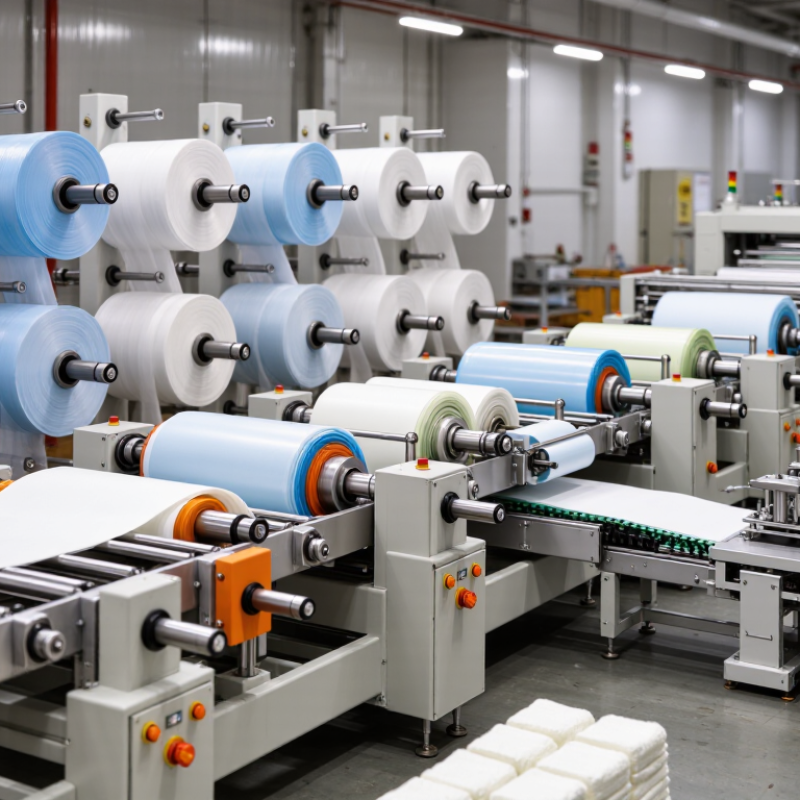
Inside the machine, rotating rollers and guided webs carry materials through tightly sequenced operations. The absorbent core is formed, positioned, and joined with other layers. Elastic components create a close fit, while cutters shape each product and sensors help detect process issues. The exact layout varies by diaper type, machine design, and required output.
Small details matter. A slight shift in material tension can affect alignment, waste, or product consistency. Operators therefore monitor settings, inspect samples, and respond to alarms rather than relying on speed alone. This introduction explains what an Automatic Diaper making machine does, how its main sections work, and which practical factors influence production. It also leaves room for an important question: automation can improve repeatability, but it cannot replace sound process control or careful maintenance.
Definition and Core Function of an Automatic Diaper Making Machine
An automatic diaper making machine is an integrated production line that converts roll materials into finished diapers. It feeds nonwoven fabric, absorbent pulp and superabsorbent material through coordinated stations. These stations form the absorbent core, add elastic components, fold the product, then cut and stack it. Some lines also inspect and reject visibly defective units. Not just speed. The core function is repeatable converting: keeping layers aligned, absorbency positioned and dimensions consistent at production scale.
Fortune Business Insights’ baby diaper market report estimated the global market at USD 83.23 billion in 2023, with a projection of USD 117.13 billion by 2032. This market estimate helps explain demand for reliable manufacturing, but it does not measure any machine’s output. Actual performance depends on diaper size, material quality, line settings and changeover time. A fast line is not automatically a good one. Even small shifts in elastic tension can affect fit, while dust or uneven pulp may trigger rejects. The definition sounds simple; real production is less tidy. Operators still need to monitor settings, inspect samples and adjust the line as materials vary.
How Unwinding, Core Forming, Assembly, and Cutting Shape Each Diaper
What Is an Automatic Diaper Making Machine?
How Unwinding, Core Forming, Assembly, and Cutting Shape Each Diaper
An automatic diaper making machine turns rolls of nonwoven fabric, absorbent material, and elastic into finished products. Unwinding stations feed these materials under controlled tension. Sensors help detect web breaks and alignment shifts. Even a small tension change can wrinkle the fabric or move a leg cuff out of position.
During core forming, fluff pulp and superabsorbent material are shaped into an absorbent center. The core is wrapped, then joined with topsheet, backsheet, waist features, and elastic components. Cutting stations separate individual diapers and trim their outlines. EDANA’s 2023 nonwovens statistics reported European production of roughly 2.8 million tonnes, offering useful context for the scale of material supply behind hygiene products. That figure describes the sector, not any single machine’s output. In practice, line speed depends on product design, material quality, and changeover settings. One detail is easy to underestimate: a fast line still needs consistent inspection.
Tips: Check web tension, core placement, and cut edges during setup. Small defects matter. Operators should also verify samples after each material change; settings that worked yesterday may not work today.
Key Materials: Nonwovens, Fluff Pulp, SAP, and Elastic Components
An automatic diaper making machine converts separate materials into a layered absorbent product through feeding, forming, bonding, cutting, and inspection. The materials matter as much as the equipment. Each layer has a specific job, and poor alignment can affect fit or absorbency.
Nonwoven fabric forms the soft outer and inner surfaces. It needs to feel gentle while allowing liquid to pass through.
Beneath it, fluff pulp spreads moisture across the absorbent core. SAP, or superabsorbent polymer, holds liquid within that core.
The ratio and distribution of pulp and SAP influence how evenly a diaper absorbs. Clumps can create hard spots. Thin areas may hold less fluid.
Elastic components help create a closer fit around the waist and legs. On a production line, elastic strands must feed at steady tension; loose or uneven placement can cause gaps or discomfort.
Sensors and inspections can catch some defects, but they do not replace careful setup. Small shifts matter. Material batches can vary slightly, so operators may need to adjust feed rates or tension. That balance is imperfect: a setting that works well for one batch may need review with the next.
Typical High-Speed Line Output: 300–800 Diapers per Minute
What Is an Automatic Diaper Making Machine?
A high-speed diaper line may be rated for 300–800 diapers per minute.
That equals 18,000–48,000 units per hour at continuous rated speed. The number describes machine capacity, not a guaranteed hourly delivery.
A line forms absorbent cores, adds topsheets and backsheet materials, places elastics, then cuts and stacks each diaper. Some lines include inspection; packaging may sit downstream. Fast, but not simple.
Actual output depends on product size, material behavior, changeovers, and unplanned stops. A small break in the absorbent core web can halt production, while a size change may require adjustments and test pieces. Scrap and rejected units also reduce saleable output. Operators often track both running speed and good diapers produced over a full shift.
The difference matters. A line rated at 600 per minute may average less when stoppages and quality checks are included. That gap is easy to underestimate.
When comparing equipment, ask how the stated rate was measured, which diaper configuration was tested, and whether the figure counts inspected, usable products rather than machine cycles alone.
In-Line Quality Checks: Registration, Seals, and Defect Detection
An automatic diaper making machine combines materials, forms absorbent layers, and converts them into finished products at high speed. In-line checks monitor quality while production continues, rather than relying only on inspection at the end. Cameras can compare printed marks and layer edges with stored reference positions. If registration drifts, the machine may flag a misplaced component before it affects many units. Small shifts matter. A sensor reading is useful, but it does not explain every cause; web tension, material stretch, or a dirty lens can also affect results.
Seal checks often combine temperature, pressure, and timing data with visual inspection of the product’s edges. These signals help identify weak, uneven, or incomplete bonds, though they cannot replace periodic physical testing. Defect detection can flag missing pieces, folds, stains, or unusual shapes, then trigger an alarm or reject gate. Not every flaw is obvious. Detection limits depend on sensor placement, lighting, product design, and the thresholds chosen by the production team. Operators should review recurring alerts and confirm samples by hand, since an overly sensitive setting may reject acceptable diapers, while a loose setting can miss defects. In-line monitoring works best as a feedback tool, not a guarantee.

 '
