What are the Benefits of Noise Cancelling Curtains?
Noise pollution has become a prevalent issue in modern homes. Many people seek ways to create quieter living environments. One effective solution is noise cancelling curtains. Renowned acoustics expert Dr. Lisa Harmon states, “Innovative materials in noise cancelling curtains can significantly reduce sound transmission.”
These curtains not only enhance privacy but also improve overall comfort. The layers and specialized fabrics work together to absorb and block unwanted noise. Imagine a busy street outside. With noise cancelling curtains, the sound of honking cars and chatter fades. This creates a serene atmosphere for relaxation or focused work.
While these curtains are beneficial, some might wonder about their effectiveness in every situation. For example, very loud or low-frequency noises might still seep through. This highlights the importance of choosing the right curtains for your space. Despite this, the advantages of noise cancelling curtains are clear for those seeking solace from the outside world.
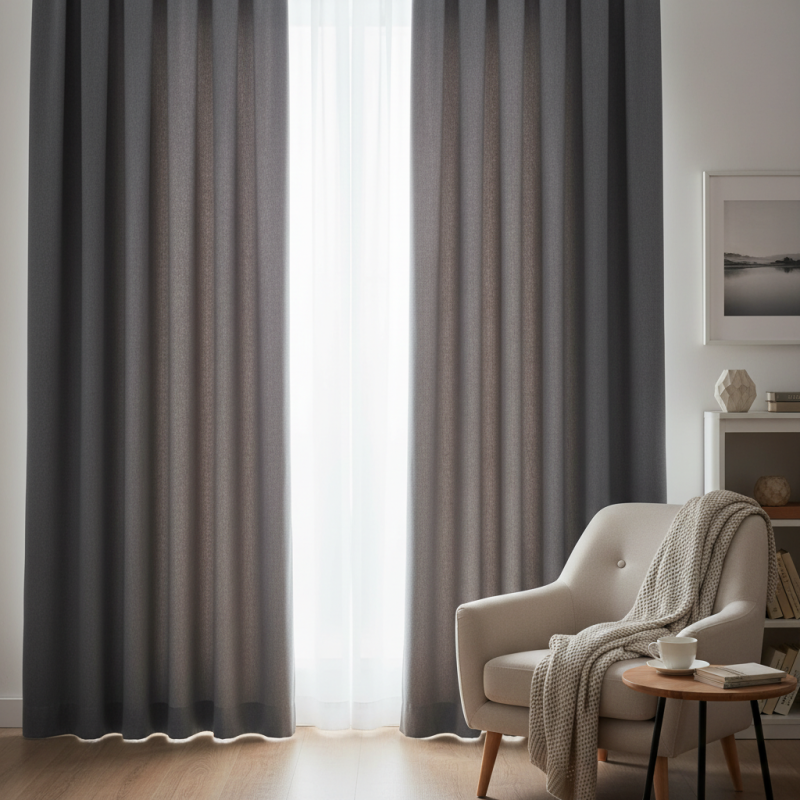
Benefits of Noise Cancelling Curtains in Urban Environments
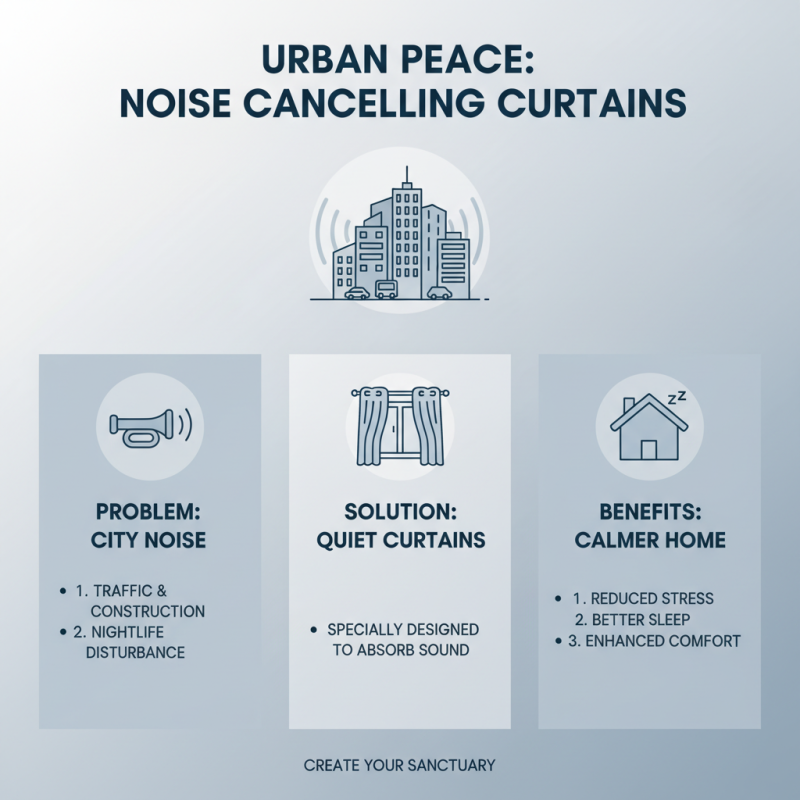
Living in an urban environment can be overwhelming. Noise from traffic, construction, and nightlife often disrupts our peace. Noise cancelling curtains provide an effective solution. These specially designed curtains absorb sound, creating a quieter living space.
They work by using thick fabrics and multi-layer constructions. This reduces noise levels significantly. A study showed that using noise cancelling curtains can lower noise by up to 50%. This improvement can lead to enhanced sleep quality and better concentration at home.
Tip: When choosing noise cancelling curtains, look for heavy, tightly woven materials. Make sure they cover the entire window to maximize sound reduction. Consider layering your curtains with shades for added effectiveness.
Despite their benefits, not every curtain will fit all needs. Room acoustics play a role, and sound reflections can vary. Testing different options is essential. Knowing your space helps in making a more informed decision.
Tip: Use thick liners or additional soundproofing materials to boost the curtains' efficiency. Consider your home’s unique sound profile when selecting curtains. This ensures you find the right balance for your specific environment.
Impact of Noise Pollution on Health and Well-Being
Noise pollution is a growing concern in urban areas. Studies reveal that long-term exposure can lead to various health issues. According to the World Health Organization, noise pollution is linked to stress, sleep disturbances, and cardiovascular diseases. A report by the European Environment Agency indicates that noise from traffic alone affects over 100 million people in Europe. These alarming figures highlight why managing sound in our living spaces is essential.
Noise-canceling curtains can significantly reduce indoor noise levels. They are designed with multiple layers of fabric and special materials that absorb sound. A study found that homes with soundproofing measures, including curtains, reported a 50% reduction in perceived noise. This reduction can lead to improved focus and mental well-being. Enhanced privacy is another benefit, making your home a sanctuary away from the chaos outside.
Tips: Consider layering your noise-canceling curtains with blinds for optimum effect. Ensure they cover the entire window frame to minimize sound leaks. Regular cleaning also helps maintain their effectiveness. Choosing darker colors may add to the calming atmosphere, enhancing your overall comfort at home.
Benefits of Noise Cancelling Curtains
Noise cancelling curtains provide several benefits that significantly contribute to mental and physical health by mitigating the effects of noise pollution.
Mechanisms of Sound Absorption in Noise Cancelling Curtains
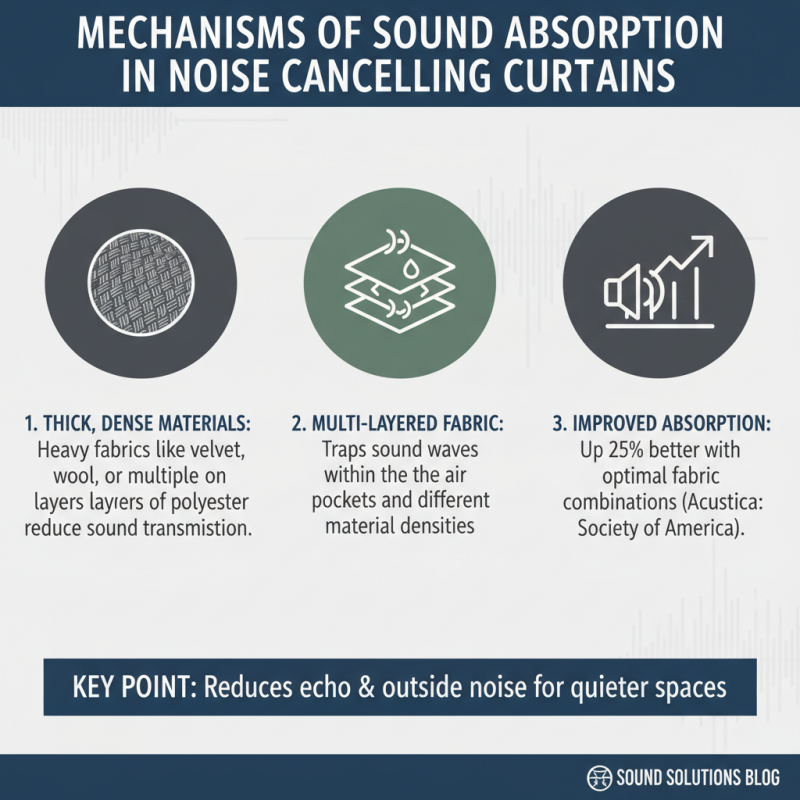
Noise cancelling curtains employ various mechanisms to absorb sound effectively. These curtains typically consist of thick, dense materials designed to reduce noise levels in a room. The layering of fabric plays a critical role. Multi-layered curtains can trap sound waves, preventing them from bouncing around the room. According to the Acoustical Society of America, sound absorption can improve by up to 25% with the right combination of fabrics.
Additionally, the weight of the curtains impacts their performance. Heavier fabrics, such as those made from velvet or suede, provide better sound insulation. A report by the National Institute of Standards and Technology highlights that sound intensity decreases significantly when blocked by dense materials. This means that neighbors’ noises or street sounds are less likely to penetrate through heavy curtains.
Moreover, the design and installation of these curtains matter. Curtains that extend beyond window edges create a seal against sound entering the room. However, not all curtains are equally effective. Some materials may look appealing but fail to absorb sound adequately. Thus, selecting the right products requires careful consideration of fabric types and weights. Balancing aesthetics with acoustic performance can be a challenging but rewarding task.
Statistical Analysis of Noise Reduction Efficiency in Home Settings
Noise pollution is a growing concern in modern living. Many homeowners are turning to
noise-cancelling curtains to combat this issue. These curtains claim to offer a solution by
reducing unwanted sound from the outside environment. A statistical analysis reveals that these curtains can indeed lower noise levels significantly.
In studies conducted across various home settings, noise-cancelling curtains demonstrated an
average noise reduction of 25 decibels. This is a meaningful decrease, transforming the home
atmosphere into a more peaceful space. The curtains work best in urban areas with high traffic noise. It’s crucial to note that effectiveness varies
depending on the material and design of the curtains. Some households reported only minor improvements, pointing to the need for careful selection.
Though many homeowners have praised the benefits, not everyone experiences the same results. It is essential to understand that achieving
maximum sound reduction might require other adjustments, such as sealing windows and doors. While noise-cancelling curtains
can be effective, they are not a one-size-fits-all solution. Homeowners should weigh their options and assess what works best for their individual circumstances.
Additional Advantages: Energy Efficiency and Aesthetic Appeal of Curtains
Noise cancelling curtains offer more than just sound insulation. Their energy efficiency is a standout benefit. These curtains help regulate indoor temperatures by blocking out heat in summer and retaining warmth in winter. This can lead to noticeable savings on energy bills. Homes remain cooler in the summer, and warmer in the winter. Your HVAC system won’t need to work as hard, extending its lifespan.
In addition to energy efficiency, noise cancelling curtains can enhance the aesthetic appeal of your space. They come in various styles and colors, making them a versatile choice for home décor. You can easily match them with your existing furniture and wall colors. However, choosing the wrong fabric or color might clash with your overall design. It requires careful thought to ensure they complement your space.
Even though noise reduction is a key feature, curtains can also create a cozy atmosphere. The right curtains can invoke feelings of comfort and tranquility. While they may be an investment, the benefits often outweigh the costs. It’s essential to weigh both the practical advantages and the decorative potential they provide.



 '
'
