What Are the Benefits of Using Blue Shade Net?
In recent years, the use of Blue Shade Net has gained significant traction in agriculture and horticulture. This innovative product offers numerous benefits, particularly in managing light exposure for crops. According to a report by the International Society for Horticultural Science, approximately 70% of growers who adopted shade nets reported improved crop yield and quality. This statistic underscores the increasing reliance on Blue Shade Net to enhance agricultural productivity.
The effectiveness of Blue Shade Net lies in its ability to filter sunlight while providing adequate protection from harsh environmental conditions. Studies indicate that it can reduce temperature extremes by up to 10 degrees Celsius. However, not all growers are fully aware of the specific advantages and limitations of different shade levels. While many appreciate the benefits, some may underestimate the need for precise shading to match the unique requirements of various crops.
Additionally, Blue Shade Net is not a one-size-fits-all solution. Growers must consider factors like plant type, climate, and installation techniques. A careful assessment of these variables is essential for optimal results. Thus, while Blue Shade Net offers many advantages, awareness of its nuances can lead to greater efficiency and better crop outcomes.
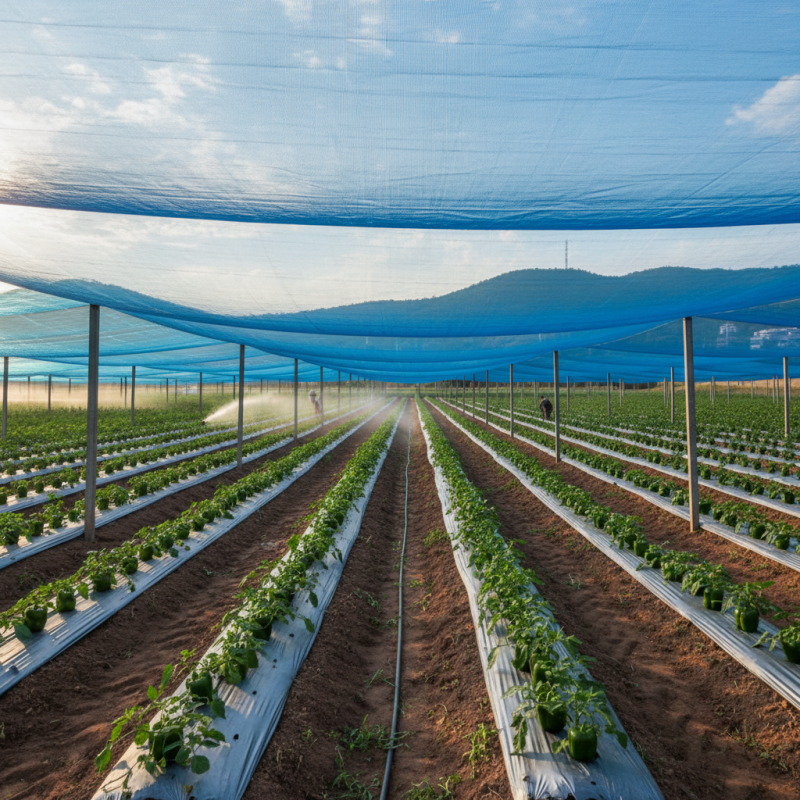
Benefits of Blue Shade Net for Plant Protection
Using blue shade netting offers significant benefits for plant protection, especially in agriculture. This type of netting creates a unique microclimate that effectively reduces heat while allowing adequate light to penetrate. The shade provided helps various crops thrive in intense sunlight. Plants can grow without the risk of sunburn. Less stress translates to healthier yields.
Moreover, blue shade netting improves pest control. The color blue attracts beneficial insects like pollinators while deterring harmful pests. This natural pest management leads to healthier plants and reduces the need for chemical pesticides. Farmers notice less damage and greater productivity.
While blue shade netting is effective, it’s key to assess its suitability for different crops. Not all plants respond the same way to shading. Some may not thrive under too much cover. Observing plants closely helps ensure optimal growth conditions. It’s a balance of protecting plants while allowing them to receive necessary sunlight.
How Blue Shade Net Reduces Heat Stress in Plants
Blue shade nets offer significant benefits in reducing heat stress for plants. These nets effectively block direct sunlight while allowing filtered light to reach crops. Research indicates that shade nets can reduce the amount of UV radiation reaching plants by up to 90%. This reduction helps protect sensitive plants, ultimately leading to healthier crops.
Plants under blue shade nets experience less heat stress. A study published in the Journal of Agricultural Science highlighted that crops grown under shade nets exhibited a 30% reduction in leaf temperature. This cooling effect is crucial during hot weather, ensuring optimal photosynthesis. Farmers have reported an increase in yield by up to 15% when using shade nets during peak summer months.
Maintaining moisture levels is another benefit of blue shade nets. They help reduce water evaporation from the soil. This can lead to a decrease in irrigation needs. However, some farmers may find that consistent use of shade nets requires an initial investment. Reflecting on these costs is essential before implementation. Despite some drawbacks, the advantages of blue shade nets in managing heat stress cannot be overlooked.
What Are the Benefits of Using Blue Shade Net? - How Blue Shade Net Reduces Heat Stress in Plants
| Benefit | Description | Impact on Plants |
| Heat Reduction | Helps lower temperatures in the covered area by blocking a portion of sunlight. | Reduces heat stress, promoting healthy growth and better yield. |
| UV Protection | Blocks harmful UV radiation while allowing beneficial light to pass through. | Protects plants from UV damage, enhancing their longevity. |
| Water Conservation | Reduces evaporation rates by keeping the soil moisture levels stable. | Decreases the need for frequent watering, saving water resources. |
| Pest Control | Acts as a physical barrier against pests and certain insects. | Lowers the risk of pest infestations, reducing the need for chemical pesticides. |
| Reduced Transpiration | Minimizes the loss of water from plants through cooling effects. | Promotes healthier plants by maintaining hydration levels. |
The Role of Blue Shade Net in Pest Control
Blue shade nets offer several advantages in agricultural pest control. Their unique hue plays a crucial role in repelling certain pests. Insects like aphids and whiteflies are attracted to specific light wavelengths. The blue shade net reduces these wavelengths, thus minimizing pest attraction.
Farmers have reported significant reductions in pest-related damage when blue shade nets are deployed. These nets create a microclimate that hinders insect movement and reproduction. However, results can vary based on the pest species and environmental conditions. Trials and experiences show that while some pests are deterred, others may adapt.
Reliability in pest control varies. Users must monitor their crops regularly. This ensures that unforeseen pest populations do not thrive. The effectiveness of blue shade nets is not a guaranteed solution. Continued research helps improve their design and application. Ultimately, these nets can be a helpful tool in an integrated pest management strategy.
Improving Crop Yield with Blue Shade Net Applications
Blue shade nets have emerged as a beneficial tool for improving crop yields in various agricultural settings. These nets provide specific light wavelengths, which can enhance plant growth. By filtering sunlight, blue shade nets create a more suitable environment for young plants. They help in reducing excess heat while ensuring that crops receive the right amount of light.
Farmers who utilize blue shade nets notice better germination rates. Many report that their plants develop stronger stems and leaves. This is crucial during the early stages of growth. Moreover, increased resilience to pests and diseases has been observed. However, not all crops respond uniformly to blue shade nets. Some may require adjustments in positioning or color density for optimal results.
Understanding the interaction between crops and the nets is essential. Continuous observation and minor tweaks may lead to better outcomes. It's important to note that while blue shade nets can significantly benefit many crops, they are not a one-size-fits-all solution. Proper evaluation and experimentation should guide their use for maximum effectiveness.
Benefits of Using Blue Shade Net in Agriculture
Durability and Cost-Effectiveness of Blue Shade Net Solutions
Blue shade nets are gaining attention in various industries, thanks to their unique durability and cost-effectiveness. These nets can withstand harsh weather conditions, including heavy winds and intense UV rays. According to a report by the Agricultural and Horticultural Development Board (AHDB), high-quality shade nets can last up to 10 years with minimal degradation. This longevity reduces the need for frequent replacements, thus lowering long-term costs.
In agricultural settings, blue shade nets help enhance crop quality. A study published in the Journal of Agricultural Science found that crops grown under blue shade nets showed a 15% increase in yield compared to those exposed to direct sunlight. This boost in productivity can significantly impact profitability for farmers. Installation costs are recouped over time, making these nets a wise investment.
Considering the ongoing environmental challenges, the need for sustainable solutions is critical. While blue shade nets offer many benefits, their effectiveness can vary depending on regional factors. Assessing local climates and specific crop types is important. Investing in detailed research can help users select the most appropriate shade net for their needs. This approach ensures that the overall benefits outweigh the initial investment and any potential drawbacks.

 '
'
