Ultimate Tips to Choose the Best Carding Machine for Your Needs
Choosing the right Carding Machine is crucial for textile manufacturers. The global demand for efficient fiber processing has increased significantly. According to a recent market report, the carding machine market is expected to grow at a CAGR of 4.5% through 2030. This growth underscores the importance of selecting machines that meet specific operational needs.
The carding process is vital in converting raw fibers into a usable form. An effective carding machine enhances fiber alignment, reduces waste, and improves overall product quality. Understanding the specifications of various machines can be challenging. Factors such as machine speed, fiber types, and maintenance requirements play a significant role in this decision.
Often, manufacturers underestimate the impact of choosing the wrong carding machine. Issues like increased downtime and poor fiber quality can arise from misalignment between machine capabilities and production needs. Evaluating these aspects thoughtfully can lead to better investment choices and sustainable production practices in the long run.
Understanding Carding Machines: Types and Functions
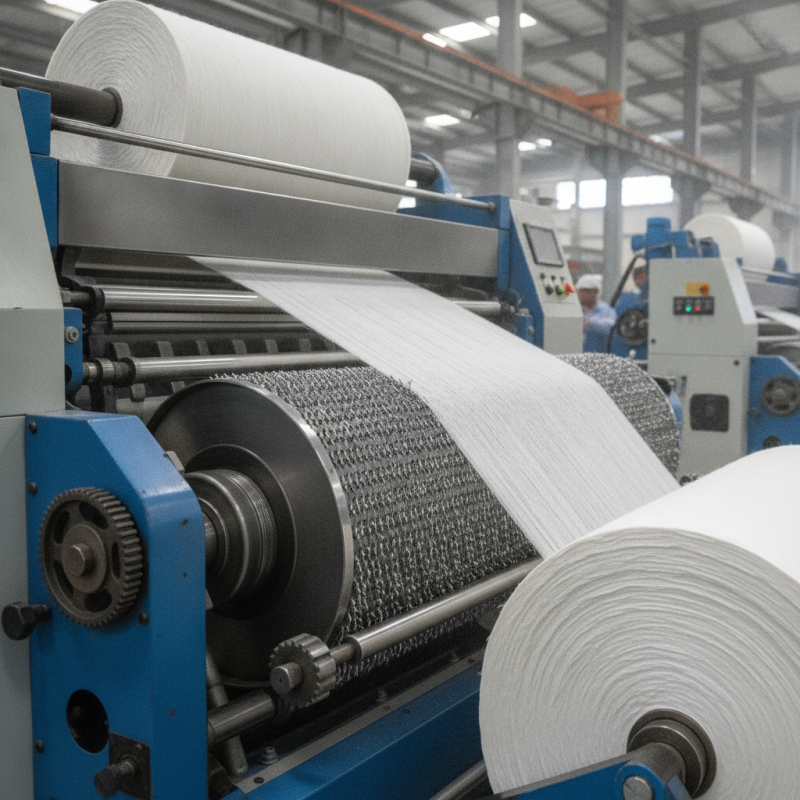
Carding machines play a crucial role in the textile industry. Understanding their types and functions can significantly impact your production efficiency. There are two main types: manual and automatic carding machines. Manual machines offer lower initial costs but require more operator involvement. On the other hand, automatic machines streamline processes, allowing for higher throughput. According to a recent report, automatic carding machines can increase production rates by up to 30%, which is substantial for large-scale operations.
The functions of carding machines include fiber separation and alignment. They work to transform raw fibers into a continuous web. This process is vital for creating a consistent quality of yarn. Data indicates that carding can contribute to about 40% of the final yarn quality. However, operators must monitor machine settings closely to avoid issues like fiber damage or uneven distribution. Even with advanced technology, sometimes the output can fall short of expectations, highlighting the need for regular maintenance and operator training.
In summary, selecting the right carding machine involves evaluating your needs carefully. Consider production scale, budget, and desired output quality. Whether opting for manual or automatic, invest in training. Regular assessments can help optimize performance and adapt to evolving production requirements.
Key Specifications to Consider When Choosing a Carding Machine
When selecting a carding machine, several key specifications come into play. One crucial aspect is the machine's capacity. You need to consider how much material you plan to process daily. A machine with a higher throughput can save you time and labor. Yet, higher capacity often means increased complexity. Balancing your operational needs with machine capabilities is essential.
Another important factor is the type of fiber you intend to use. Different fibers require varied settings and adjustments for optimal carding. Some machines handle natural fibers well, while others excel with synthetic types. Understanding your specific needs in this area can help identify a compatible machine. Don't overlook the machine's fineness and uniformity levels, which are crucial for high-quality output.
Finally, consider the machine's maintenance requirements. Some models may offer advanced features but come with hefty upkeep costs. Weigh the pros and cons of ease versus durability. Regular maintenance can be demanding, and it's essential to reflect on whether your team is prepared for such responsibilities. These considerations can lead to better long-term decisions for your business.
Analyzing Your Production Needs: Capacity and Speed Factors
When selecting a carding machine, understanding your production needs is crucial. One of the key factors to consider is capacity. How much material will you process daily? A small workshop may not need a large machine. However, if you anticipate growth, investing in higher capacity now may prevent future limitations.
Speed is also essential. How quickly does the machine operate? A slower machine may suit small-scale operations. But as production increases, so does the need for speed. Your team should assess both current and future demands. Balance between capacity and speed can be tricky. Overestimating needs can lead to wasted resources.
Reflecting on these factors can be enlightening. For instance, you might initially believe that a high-speed carding machine is the best choice. However, if your current output doesn’t justify it, it may lead to inefficiencies. Consider both your short-term and long-term goals. This approach fosters a thoughtful decision-making process that aligns with your specific production requirements.
Evaluating Maintenance and Durability in Carding Equipment
When selecting the best carding machine, maintenance and durability are crucial factors. A reliable machine should withstand the rigors of daily use. Regular inspection is essential to identify wear and tear early. Look for machines designed with quality materials. Steel components often last longer than plastic. Examine user reviews to understand how these machines perform over time.
Consider the simplicity of maintenance as well. Some machines offer easy access for cleaning and part replacement. This can save significant time and effort in the long run. However, don’t overlook the complexity of advanced features. They might require specialized knowledge to maintain. It’s important to weigh the benefits against potential challenges.
Think about the availability of spare parts as well. Machines that are popular may have a readily accessible supply chain. This can minimize downtime if issues arise. Ultimately, a balance between robust design and ease of upkeep will lead to better efficiency. Investing time to evaluate these aspects thoroughly is worth it. A little reflection here can prevent future frustrations.
The Importance of Technology Integration in Modern Carding Machines
Technology integration in modern carding machines is crucial for achieving high efficiency. New systems use advanced sensors and software that optimize fiber processing. This results in better quality output and reduced waste. With real-time data monitoring, operators can adjust processes dynamically, leading to improved performance.
The need for skilled operators is rising. They must understand not just the machine, but also the technology that powers it. This can be a challenge. Operators may struggle with complex software interfaces. Training programs need to evolve, focusing on both mechanical and digital skill sets. Over time, the integration of technology should unify the operation rather than complicate it.
Moreover, the choices in technology can be overwhelming. With so many features available, it’s easy to make impulsive decisions. Companies may prioritize flashy features without assessing their actual needs. Reflecting on previous experiences can guide better choices. Understanding what truly adds value is essential for long-term success. Adapting to technological advances is not just about acquiring new tools; it's about enhancing overall efficiency and product quality.
Performance Comparison of Carding Machines Based on Technology Integration

 '
'
