Choosing the 2026 Best Disposable Food Storage Containers means balancing practical performance with cost, convenience, and waste. A container may look sturdy on a product page, yet arrive with a loose lid or buckle under a hot meal. Buyers should compare more than price. Check capacity, material, leak resistance, stackability, and whether the container suits chilled, frozen, or reheated food.
Scale matters. The U.S. Environmental Protection Agency’s 2018 Facts and Figures report estimated that containers and packaging generated 82.2 million tons of municipal solid waste in the United States. That historical figure covers many packaging types, not food containers alone. Still, it gives buyers a useful reminder: packaging choices add up. Claims such as recyclable or compostable also need careful checking. Local collection systems and product specifications can differ.
This guide evaluates Disposable Food Storage Containers through buyer-focused criteria: lid fit, durability, food-contact information, available sizes, and documented material claims. For a takeaway shop, a secure lid can protect a soup order during delivery. For a meal-prep kitchen, uniform containers can make stacking easier and reduce storage clutter. Small details matter. Buyers should confirm that sample products perform under their actual conditions, rather than relying only on catalog descriptions. There is no perfect pick. A lower-cost option may serve short trips well but disappoint during repeated handling, and that trade-off deserves attention. The recommendations ahead aim to make comparison clearer, while recognizing that the best choice depends on the food, the workflow, and local disposal options.
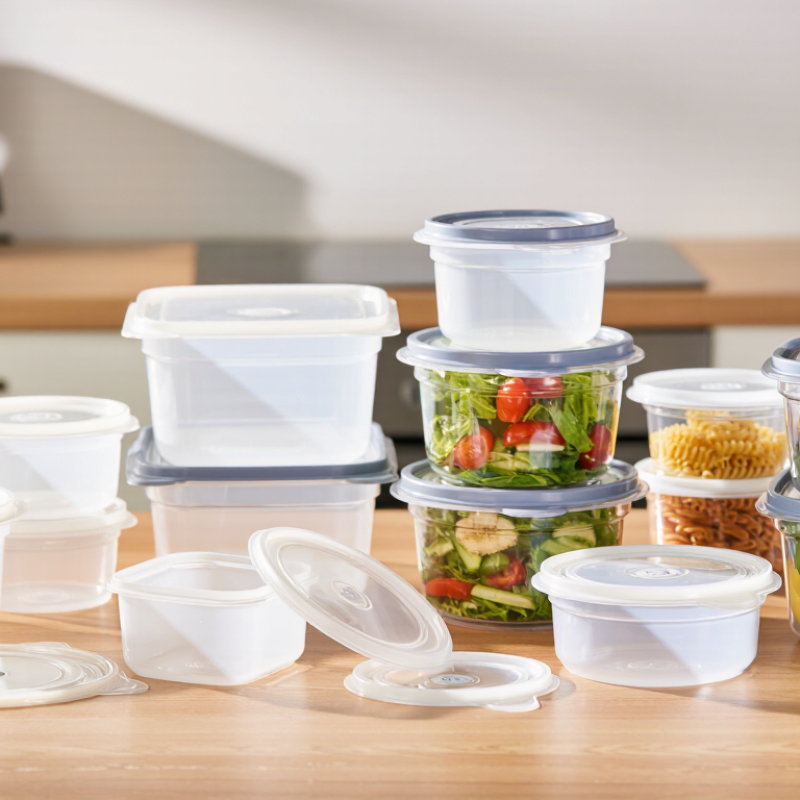
Disposable food storage containers hold prepared meals, deli portions, leftovers, and takeaway dishes during short-term storage and transport. Their value is practical: a snug lid helps limit spills, while clear sides make contents easy to identify. Still, convenience has a trade-off. Thin walls may buckle under hot food, and lids can leak if containers are stacked carelessly.
Material matters. Plastic tubs are light and often useful for chilled meals; paperboard and molded-fiber options suit many dry or short-service uses. Check the stated temperature and microwave guidance rather than assuming every container is suitable.
The U.S. EPA’s 2018 national waste assessment estimated that all containers and packaging—not food containers alone—made up 82.2 million tons, or 28.1% of U.S. municipal solid waste. That broader figure is a reminder to match container size to the portion and avoid unnecessary extras.
Tips: Let very hot food cool as appropriate, then seal and refrigerate it promptly. USDA guidance recommends refrigerating perishable leftovers within two hours. Keep lids paired with their containers, and avoid reusing single-use items when they are damaged, stained, or not labeled for reuse. A small leak can spoil a whole lunch bag.
For 2026 purchasing, compare material, shape, and closure as one system. Clear PET tubs display chilled salads well, while PP containers suit many hot-food uses when specifically labeled for that purpose. Molded-fiber bowls feel sturdy and suit dry or lightly sauced meals, but prolonged contact with liquid can soften them. Shape matters too: shallow rectangles pack neatly on shelves; round bowls are easier to stir in. Small details count. A rim that flexes under a thumb may leak during delivery.
The U.S. EPA’s 2018 Advancing Sustainable Materials Management report found that containers and packaging made up 82.2 million tons of municipal solid waste, with 28.1% recycled. Its material figures also show why broad claims need care: paper and paperboard had a 68.2% recycling rate, compared with 13.6% for plastics. These figures cover broad material categories, not food containers alone, and recycling access varies by location. A snap-on lid is quick for counter service; a hinged lid keeps parts together, but its tabs can wear after repeated opening. Film seals can resist spills, though buyers need compatible sealing equipment.
Tips: Test containers with the actual menu. Fill one with hot soup, tilt it, stack it, then check for leaks and lid fit after cooling. Test a few sizes first. Real handling can reveal weaknesses that a product sheet misses.
The best disposable food storage container is not simply the cheapest or thickest. Buyers should check that its material is intended for food contact and that its instructions match the planned use. A container suitable for cold salads may not be suitable for hot soup or reheating. Check the base and lid together; a snug lid can still leak when tilted. Small details matter.
Durability affects both convenience and cost. Compare containers with the same capacity, then consider how well they hold a portion without buckling or leaking. For catering, stack several filled samples and inspect them after transport. A cracked corner or loose lid can waste food and create extra cleanup. The lowest price per unit may not be the lowest cost per successful serving. That trade-off is not always tidy.
Environmental impact depends on material, local collection options, and how the container is used. Recyclability claims are less useful if local facilities do not accept that format or food residue prevents sorting. Ask suppliers for clear material details, and avoid choosing by color or vague “eco-friendly” wording alone. For occasional use, lightweight packaging may reduce material, but it can perform poorly with heavy meals. There is no universal winner. Compare safety instructions, real-world strength, unit cost, and disposal guidance for the specific meals you serve.
Evaluating Safety, Durability, Cost, and Environmental Impact
Paper and paperboard packaging had the highest recycling rate among the materials shown. These figures cover broad U.S. packaging categories, not food-storage containers alone, and recycling availability varies by location. For a purchase decision, also check that a container is intended for food contact and for your planned temperature and use; compare unit cost and durability for your specific needs.
Source: U.S. EPA, Containers and Packaging Product-Specific Data (2018).
Disposable food containers work best when their features match the food, service style, and handling routine. A shallow, wide container keeps salads and pastries visible, while a deeper, sturdier option suits soups or saucy meals. Fit matters most. Check the lid against the base, then test it with the actual portion size. A lid that closes neatly when empty may lift once food is packed.
For takeout counters, secure lids and stackable shapes can reduce spills and save shelf space. Delivery teams may need stronger sides and a tighter seal, especially for meals carried upright. For busy cafeterias, easy opening and clear portion visibility can matter more than a premium feel. Test before ordering. Fill sample containers with hot, cold, and oily foods, then check for leaks, softening, and condensation after normal handling. Confirm any stated temperature limits rather than assuming a container is suitable for reheating or freezing.
Material choice involves trade-offs. Lightweight options can be convenient, but may flex under a heavy meal; sturdier containers can take up more storage space. Some lids also fog or trap steam, making food look less appealing. That detail is easy to overlook. Compare a small set of samples during a real service period, and ask staff which shapes are simplest to fill, close, and carry. Their feedback may reveal an imperfect fit that a product sheet cannot.
| Container Type | Common Material | Typical Food-Service Uses | Useful Features | Buyer Fit | Key Considerations |
|---|---|---|---|---|---|
| Microwaveable takeout container | Polypropylene (PP) | Hot entrées, rice, pasta, soups, and prepared meals | Lightweight; many designs have snap-on lids; suitable for reheating when specifically labeled for microwave use | Restaurants, meal-prep services, cafeterias, and delivery operators serving hot food | Microwave suitability is product-specific. Check the container and lid instructions, and confirm leak resistance for the intended food. |
| Clear deli container | Commonly polypropylene (PP) or polyethylene terephthalate (PET) | Salads, cold sides, sauces, cut fruit, and chilled prepared foods | Transparent sides support product visibility; round shapes are convenient for stacking and portioning | Delis, grocery prepared-food counters, catering, and cold-food takeaway | Do not assume every clear container is microwave-safe. PET containers are generally intended for cold use; verify material and use instructions. |
| Hinged-lid clamshell | PP, PET, or molded fiber, depending on the design | Sandwiches, baked goods, salads, and takeaway meals | Attached lid reduces the number of separate components; quick to close and serve | Quick-service restaurants, bakeries, food trucks, and grab-and-go counters | Choose a size and closure suited to the food. Test condensation control and lid security for the expected holding and transport time. |
| Fiber or bagasse bowl and tray | Molded plant fiber, often made from bagasse | Hot or cold meals, bowls, sides, and catering portions | Rigid molded shape; can offer an alternative to conventional plastic for some food-service uses | Operators seeking fiber-based formats or a specific plastic-reduction option | Heat, grease, moisture, and lid performance vary by product. Compostability depends on certification and access to suitable processing facilities. |
| Paperboard food container | Paperboard, sometimes with a barrier coating or lining | Takeout meals, bakery items, snacks, and selected hot or cold foods | Printable surface; available in multiple shapes and serving formats | Takeaway businesses that value presentation, branding space, or paper-based packaging | Barrier performance depends on the coating and construction. Confirm suitability for oily, wet, or hot foods and check local recycling guidance. |
| Aluminum foil tray | Aluminum | Baked dishes, roasted foods, catering pans, and oven-ready portions | Suitable for many oven applications when specified; resists moisture and can hold hot foods | Caterers, bakeries, prepared-meal producers, and food businesses packaging oven-ready items | Aluminum containers must not be used in a microwave. Confirm oven-use limits and select a compatible lid for storage and transport. |
| Portion cup with lid | Commonly PP or PET | Dips, dressings, condiments, sauces, and small toppings | Small serving sizes; matching lids help separate sauces from the main meal | Restaurants, delivery kitchens, catering teams, and meal-kit operations | Check lid fit and leak performance with the actual product, especially for thin liquids and delivery routes. |
Buyer note: Material properties and performance vary by product. Before ordering, confirm food-contact compliance, capacity, dimensions, lid compatibility, temperature limits, and any compostability or recycling claims with the supplier and applicable local requirements.
Selecting the best disposable food storage containers in 2026 starts with the food and service conditions. A container holding warm rice needs different performance from one displaying chilled salad. Check the stated temperature range, lid fit, and resistance to oil or moisture. Small details matter. A loose lid can turn a short delivery into a cleanup. For reheating, follow the container’s instructions rather than assuming every plastic option is microwave-safe. Clear containers help staff identify contents quickly, while opaque fiber styles may suit meals served directly from the package.
Compare capacity with actual portions, not just catalog dimensions. A 750-milliliter container may look generous, yet a bulky lid can crowd a delivery bag. Stack several samples and test them with the foods you serve: soup, dressing, or a saucy entrée. Ask suppliers for food-contact documentation and clear material specifications. Compostable claims also deserve a closer look; disposal options depend on local facilities. I still find that sample testing catches problems a product sheet misses. It takes time, but it can reveal warped bases, awkward lids, or portions that simply do not fit.
We now offer custom-made commercial vehicle tarps, along with the ability to design your own curtains, noise panels, and strip doors—tailored to your exact needs!
At Singer Safety, we specialize in manufacturing high-performance tarps engineered to safely secure and protect your vehicle loads during transport.