10 Best Door Awning Designs for Home Protection and Style?
A well-designed Door Awning can significantly enhance your home's exterior. It provides essential protection from the elements, shielding your entryway from rain and snow. This not only keeps your entrance dry but also adds a touch of style to your home.
The market offers various designs and materials for Door Awnings. Whether you prefer sleek modern looks or classic charm, there is something for every taste. Materials like acrylic, wood, and metal can elevate your entrance’s aesthetics. However, it is crucial to consider practicality alongside style.
Many homeowners overlook the importance of proper installation and maintenance. A poorly installed Door Awning can lead to water damage and mold growth. It's vital to choose designs that are not only beautiful but also durable and easy to maintain. Reflecting on these factors can lead to a more satisfying choice for your home. This guide explores the best Door Awning designs that ensure both protection and visual appeal.
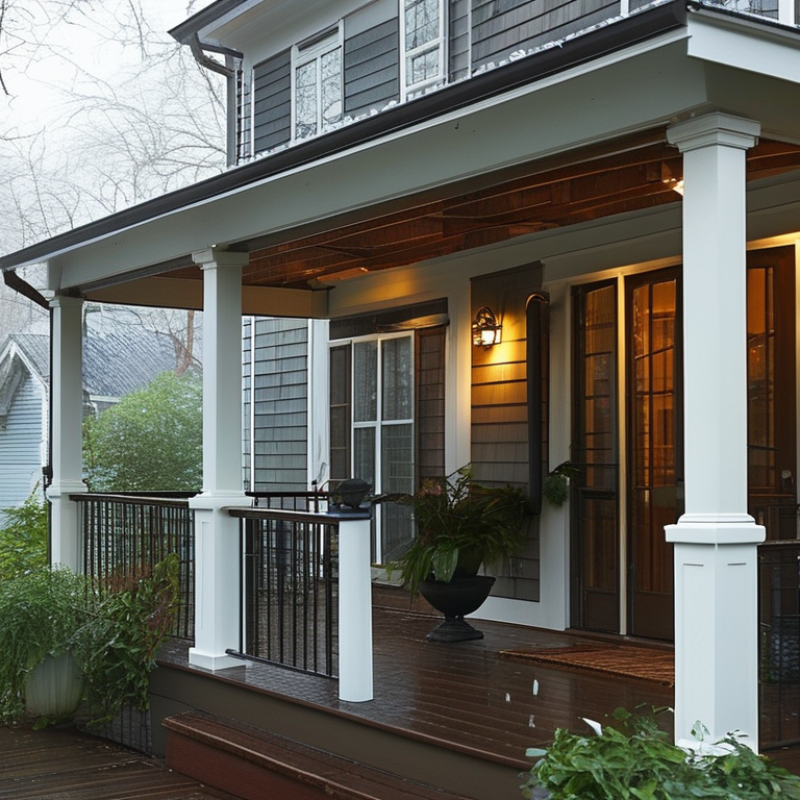
Top Materials Used in Door Awning Construction for Durability
When considering door awnings, material choice plays a crucial role in durability. Common options include aluminum, vinyl, and fabric. Aluminum is lightweight and resistant to rust, making it a popular choice for long-term use. Proper maintenance can prolong its life, but dents and scratches may occur.
Vinyl awnings are another reliable option. They are available in various colors and designs. However, they may fade over time due to sun exposure. Regular cleaning helps maintain their appearance, but it's essential to check for cracks.
Fabric awnings offer versatility in style and can create an inviting entryway. Still, they require more upkeep. Water and mold can damage fabrics, so consider materials that are water-resistant. This choice can enhance both protection and aesthetics. Each material has its pros and cons, so assess your specific needs carefully.
10 Best Door Awning Designs for Home Protection and Style
| Design Style | Material | Durability (Years) | Weather Resistance | Style Factor (1-10) |
| Traditional Curved | Polycarbonate | 15 | High | 8 |
| Modern Flat | Aluminum | 20 | Medium | 9 |
| Victorian Style | Wood | 10 | Low | 10 |
| Minimalist Canopy | Acrylic | 15 | High | 7 |
| Arched Awning | Steel | 25 | Very High | 9 |
Stylish Design Ideas for Modern Door Awnings
When it comes to modern door awnings, design matters just as much as functionality. A well-chosen awning not only protects your entrance from harsh weather but also enhances the overall aesthetic of your home. Consider a sleek, curved metal awning that blends seamlessly with contemporary architecture. Its minimalist appearance can create a striking focal point for any front door.
Wooden awnings can also bring warmth and texture to your space. A natural wood finish, complemented by stylish brackets, adds character. However, it's crucial to think about maintenance. Wood requires regular care to prevent rot and fading. If you're not ready for that commitment, you might explore durable synthetic options that mimic the look of wood without the upkeep.
Lastly, think about color and pattern. A vibrant awning can make a bold statement, while subtle, neutral tones can enhance sophistication. The key is to match the awning to your home's style. Each choice presents opportunities and challenges. Reflecting on your needs and home design will lead to the best decision. Perfect design doesn't exist; it's about finding the right balance.
Functionality: How Door Awnings Protect Your Home from the Elements
Door awnings serve a dual purpose: style and functionality. They offer protection against rain, snow, and harsh sunlight. By extending over your doorway, they create a barrier that keeps you dry while entering or exiting your home. This is especially useful during sudden downpours. They also shield your door from the elements, potentially prolonging its lifespan.
Additionally, a well-designed awning enhances your home’s curb appeal. It can complement architectural features, adding character to your entryway. Think of colors and materials that align with your home’s design. However, not all awning designs consider practical aspects. Some may lack durability, leading to issues over time. Regular maintenance can help, but it requires effort and attention to detail.
Choosing the right awning involves considering more than just aesthetics. The style should align with functionality. It’s essential to reflect on your local climate, as well. A design suited for sunny areas might not perform well in heavy snow. Ultimately, a thoughtful choice can enhance your home’s protection while elevating its overall appearance.
Choosing the Right Size and Style for Your Door Awning
Choosing the right size and style for your door awning is crucial. A well-designed awning enhances your home's curb appeal and provides the protection you need from rain and sun. Consider the architecture of your home. A modern home looks great with sleek, angular designs, while traditional homes often benefit from more ornate styles. Pay attention to the materials as well. Wood and metal bring different vibes and durability.
Tips: Measure your doorway carefully. This ensures you select an awning that fits perfectly. Aim for an awning that extends at least 36 inches beyond the door. This provides ample coverage during inclement weather. Additionally, consider local climate conditions when choosing the material. For instance, UV-resistant materials are vital in sunny regions.
Think about your color palette. A bold color can make a statement, while neutral tones offer versatility. Don't forget to reflect personal style. Sometimes, mixing styles can yield unique results, reflecting your personality. Remember, finding the perfect awning can take time. It’s okay to explore various options before making a decision. Be patient and make sure it complements both your home and lifestyle.
10 Best Door Awning Designs for Home Protection and Style
Maintenance Tips to Keep Your Door Awning Looking New
Maintaining your door awning is essential for both functionality and aesthetics. Regular upkeep prevents wear and helps it continue looking fresh. Cleaning is a key step. Use mild soap and water to eliminate dirt that accumulates over time. Avoid harsh chemicals; they can damage the fabric or finish. A gentle scrub with a soft brush can do wonders.
Inspecting your door awning periodically is crucial. Check for loose parts or signs of wear. Early detection is important. If you notice any issues, address them quickly to avoid larger problems later. Rust can be a concern, too, especially for metal awnings. Treat any spots you see with rust remover and repaint if necessary.
Storage is another factor to consider. During the off-season, take down the awning if possible. This prevents damage from harsh weather. If not, ensure it is securely fastened. Remember, the look and longevity of your awning reflect on your home. Keeping it in top shape is a worthy effort.

 '
'
