7 Best Electric Marine Toilets for Boats in 2026

Choosing an Electric Marine Toilet can make life aboard more comfortable, but the right model depends on more than a polished seat or quiet motor. Available space, onboard power, freshwater supply, plumbing layout, and maintenance access all affect whether a toilet suits a particular boat. A compact cabin cruiser has different needs from a larger liveaboard vessel. Small details count.

This guide to the 7 Best Electric Marine Toilets for Boats in 2026 compares key features that matter during everyday use. We look at bowl size, flushing systems, electrical requirements, installation considerations, and the availability of replacement parts. These details can influence both upfront costs and long-term upkeep. A powerful flush may sound appealing, yet it can draw more current than a small electrical system comfortably provides. Fit matters, too: a few inches can change an installation plan.

Product specifications and compatibility can vary by model and boat setup, so check the manufacturer’s documentation before buying. This roundup offers a practical starting point, not a substitute for measuring your space or reviewing your vessel’s plumbing. There is no perfect choice for every boat. Some trade-offs are easy to overlook until the first service visit, and that deserves a second thought. The best option is the one that fits your boat, routine, and maintenance expectations.
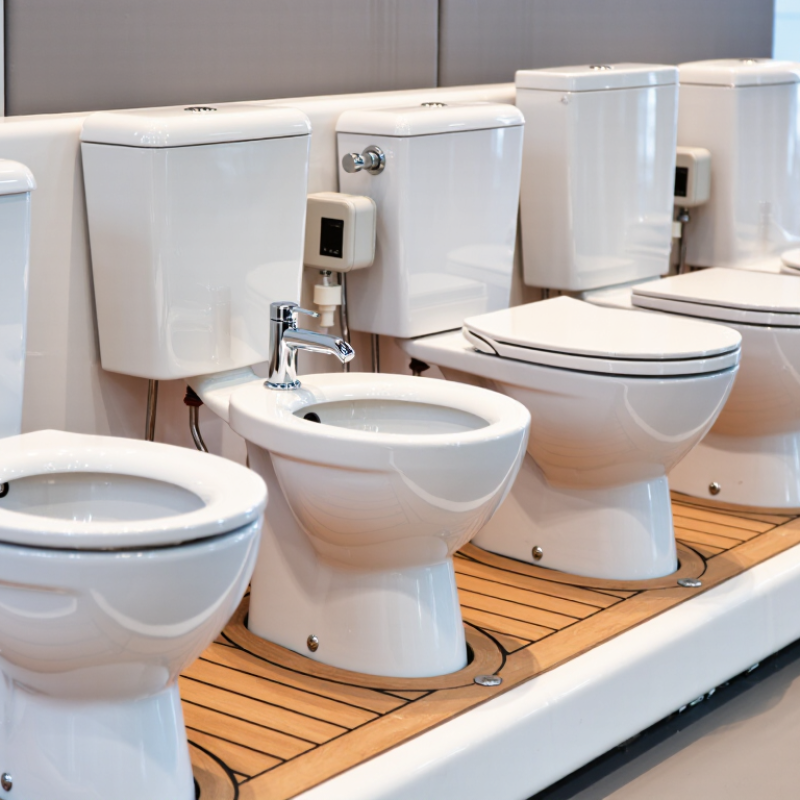
7 Best Electric Marine Toilets for Boats in 2026

How Electric Marine Toilets Work on Boats

An electric marine toilet uses a small motor and pump instead of a hand-operated pump. Pressing the flush control opens a water valve and starts the pump. Water rinses the bowl, while a macerator breaks waste into smaller pieces before moving it through the discharge hose. The waste usually travels to a holding tank, though plumbing layouts vary by boat. You may hear a short motor whir and feel a faint vibration underfoot. It is not magic. The flush depends on a reliable power supply, clear hoses, and correctly set valves.

Some toilets draw seawater; others use the boat’s freshwater system. Freshwater can help limit odors associated with seawater, but the best setup depends on the vessel. Follow the installation and operating instructions for the specific system. Keep the electrical circuit protected as specified, and never guess at wiring or voltage. Use brief flushes when appropriate, and avoid putting wipes or other unsuitable materials into the bowl. That detail matters. A small leak at a hose clamp can become a surprisingly messy problem, so inspect connections and listen for unusual changes in pump sound. Regular checks are easy to postpone. Don’t.

What to Consider When Choosing an Electric Marine Toilet

Choosing an electric marine toilet starts with the boat, not the product listing. Measure the available footprint, seat height, and clearance around the bowl. Check whether the lid can open fully beside a bulkhead or cabinet. A compact unit may fit neatly but feel cramped during everyday use. Small details matter.

Next, match the toilet to the boat’s electrical system and plumbing. Confirm its voltage and current draw, including the brief surge when the pump starts. Wiring, fuses, and connections should follow the manufacturer’s specifications; undersized wiring can cause unreliable operation. Consider freshwater or seawater flushing, too. Freshwater can simplify odor control, while seawater systems may use less stored water. Neither choice suits every boat. Listen for pump noise if the toilet sits near sleeping quarters.

Check how the unit connects to the holding tank, hoses, and existing fittings. Measure hose runs and bends before buying; tight turns can complicate installation and maintenance. Ask how easily the pump, seals, and other wear parts can be reached. Routine service should not require removing half a cabinet. It is easy to overlook winter storage, water use, or access to replacement parts. Verify that the planned waste system follows local requirements. A little measuring now can prevent a messy refit later.

Electric Marine Toilet Power Options

Compare common nominal vessel electrical supplies when choosing an electric marine toilet.

Marine systems commonly use 12 or 24 V DC, while AC supplies may be 120 or 230 V, depending on the vessel and region. Check your boat’s available supply and the toilet’s electrical requirements before choosing. Voltage alone does not indicate performance or suitability.

Seven Electric Marine Toilets to Consider in 2026

Seven electric marine toilets are worth considering by how they fit your boat, not by appearance alone. A compact model can free up knee room in a narrow head. A macerating model may suit installations with longer discharge runs, but check its pump limits against your plumbing. A freshwater-flush unit can simplify odor control, though it draws from a limited tank. A seawater-flush design may preserve freshwater, but salt and debris make maintenance important.

A household-height bowl feels familiar on longer trips. A quiet-cycle model can be kinder to sleeping passengers, but “quiet” is relative in a small cabin. A service-accessible unit, with reachable hoses and electrical connections, can save time when a pump needs attention. That makes seven distinct choices: compact, macerating, freshwater-flush, seawater-flush, household-height, quiet-cycle, and service-friendly.

Before choosing, confirm voltage, available space, water use, and the manufacturer’s installation requirements. Measure the doorway and floor area; a bowl that fits on paper may be awkward to install. Check access to the holding tank and wiring, too. No design is perfect. A quieter cycle may still wake someone nearby, and an efficient flush may feel less thorough. Real use can be a little messier than the product description suggests.

7 Best Electric Marine Toilets for Boats in 2026

Seven electric marine toilet configurations to consider, matched to different boat layouts and onboard systems.

Configuration Typical power options Flush-water use Key advantages Best suited to Points to check
Compact DC macerating toilet Usually 12 V or 24 V DC Varies by model and flush setting; low-water versions may use about 0.1–0.3 US gal (0.4–1.1 L) per flush. Small footprint; macerator helps move waste through a discharge line. Small cabins, sailboats, and installations with limited floor space. Measure bowl clearance and check the pump’s electrical load, discharge-line route, and holding-tank arrangement.
Full-size DC macerating toilet Usually 12 V or 24 V DC Model-dependent; standard flush settings commonly use more water than low-water designs. More familiar seat and bowl proportions; suitable for regular onboard use. Family cruising boats and larger heads where comfort is a priority. Confirm available battery capacity, wiring size, circuit protection, and space for service access.
Low-water electric toilet Commonly 12 V or 24 V DC; check the selected unit Some designs use roughly 0.1–0.3 US gal (0.4–1.1 L) per flush; the actual amount depends on the cycle setting. Can reduce freshwater consumption and the volume sent to a holding tank. Boats with limited freshwater storage or long intervals between pump-outs. Review flushing instructions and confirm the chosen setting clears waste effectively for the plumbing layout.
Electric vacuum-flush toilet System-dependent; DC and AC installations are available System- and cycle-dependent; follow the manufacturer’s stated consumption for the complete system. Uses vacuum to move waste, allowing flexible plumbing arrangements in suitable installations. Boats designed for a vacuum sanitation system or multiple connected fixtures. Check vacuum-generator location, hose compatibility, maintenance requirements, and the complete system’s power demand.
Freshwater-flush electric toilet Often 12 V or 24 V DC; some systems use AC Depends on the bowl and flush control; freshwater consumption should be checked in the unit’s specifications. Uses the boat’s freshwater supply for flushing. Boats where freshwater plumbing is readily available and a dedicated flush-water supply is preferred. Include flush demand in the boat’s water budget and verify any required valve or backflow protection.
Seawater-flush electric toilet Usually 12 V or 24 V DC Draws flushing water from the sea; the amount varies by pump and flush cycle. Does not use stored freshwater for flushing. Coastal or offshore boats with an appropriate seawater intake and strainer arrangement. Check intake-hose routing, seacock access, strainer maintenance, and corrosion-appropriate components.
AC-powered household-style marine toilet Typically 120 V or 230 V AC, depending on the system Varies by model and flush mode; consult the product’s rated consumption. Can offer a familiar seating format and suit boats with a suitable AC power system. Larger boats with shore power or an inverter and adequate electrical capacity. Verify inverter capacity, startup and running loads, electrical protection, and operation when shore power is unavailable.

Note: These are configuration-level comparisons, not specifications for individual products. Dimensions, voltage options, water use, and electrical requirements vary by model. Check current manufacturer documentation and applicable marine sanitation regulations before purchase or installation.

How the Featured Models Compare in Size, Power, and Features

Electric marine toilets differ most in footprint, flushing demand, and how much installation work they require. Compact models suit narrow heads, where every few inches affect door clearance and legroom. Their smaller bowls may feel less comfortable on longer trips. Full-size designs offer a more familiar seat, but need more floor space and careful hose routing. Measure the available area before comparing feature lists.

Power needs depend on the pump and flush cycle, so check each model’s electrical specifications against the boat’s system. A unit that runs on the right voltage can still strain undersized wiring or a tired battery. Some models use a straightforward switch, while others add controls or adjustable water flow. More features are not automatically better. In a cramped cabin, simple controls can be easier to use with wet hands.

Tips: Measure the mounting footprint, seat clearance, and route to the holding tank. Check wire size, circuit protection, and battery capacity against the installation manual; have a qualified marine technician review uncertain electrical work. Listen to the pump during a test run, too. Noise ratings rarely capture how sound carries through a quiet cabin. One detail is easy to overlook: service access. Leave room to reach connections later, even if that means choosing a slightly smaller bowl.

Installation, Care, and Safe Use of Electric Marine Toilets

Installing an electric marine toilet starts with checking the boat’s layout, power supply, and waste plumbing. Follow the unit’s manual and use marine-rated wiring, correctly sized protection, and secure connections. Disconnect power before electrical work. Keep hose runs supported, avoid sharp bends, and use suitable clamps at every connection. Confirm that discharge routes lead to the intended holding system. A rushed installation can create leaks that are hard to spot beneath a cabinet.

Tips: Test each function at the dock before departure. Check the base, hose joints, and nearby surfaces for moisture. Keep the bowl and seals clean with products approved for marine toilets; harsh cleaners may damage components. Flush only waste and toilet paper specified as suitable by the manufacturer. No wipes. Even “flushable” products can clog narrow hoses. Inspect wiring for corrosion, and listen for unusual pump sounds. Small changes matter.

For safe use, explain the controls to everyone aboard, including guests. Make sure the holding tank has capacity before use, and arrange disposal through appropriate shore facilities. Never force a switch when the pump stalls; turn off power and check the manual. Routine care takes a few minutes, though I still find hidden hose connections easy to overlook. A small flashlight helps during inspections.

'