Marble can make a room feel calm, bright, and enduring. But choosing a floor is not only about color. Veining, finish, tile size, and daily use all matter. A polished white tile may reflect light beautifully in a foyer, yet show footprints near a busy entrance. A honed finish can feel quieter underfoot, though it may need more frequent care. Small details count.
Michelangelo, the renowned marble sculptor, is often credited with saying, “I saw the angel in the marble and carved until I set him free.” His words speak to marble’s expressive character, but floors have practical demands too. This guide explores 10 Best Marble Floor Tiles for Homes and Businesses, from pale, fine-veined options to darker, dramatic patterns. It considers where each style may work, how finishes affect the look, and what to weigh before buying. Floor Tiles Marble can bring natural variation to a space; that variation is part of its appeal, and sometimes its challenge. No two pieces match exactly. Worth remembering. Since marble is porous, installation details and regular maintenance deserve attention. A beautiful sample alone cannot predict how a whole floor will look—or wear.
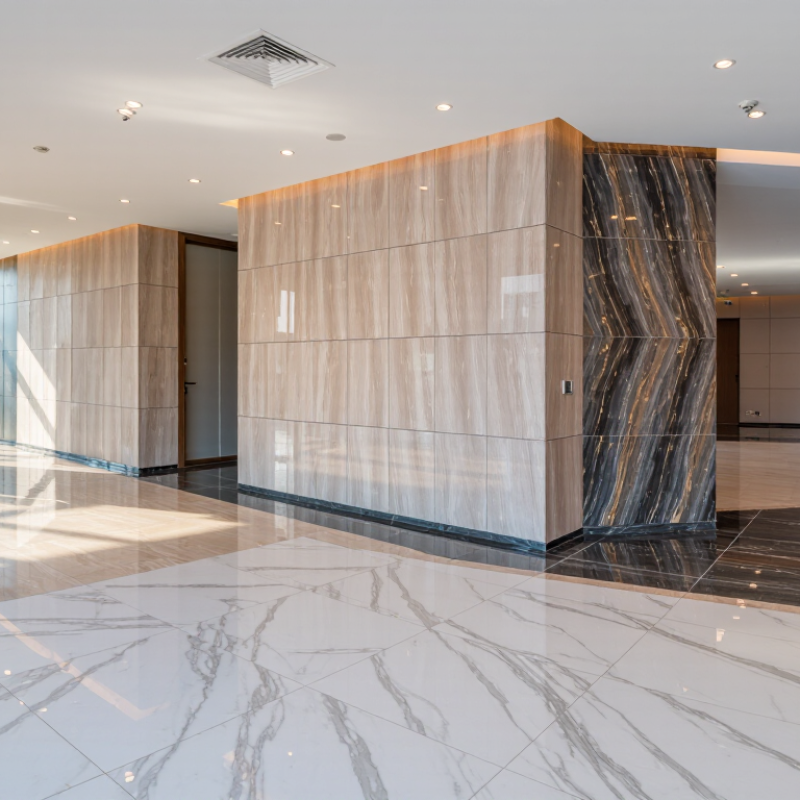
Marble floor tiles are made from natural stone, so each piece has its own veining, color shifts, and mineral patterns. That variation gives a floor depth, but it also means a sample may not represent every tile in a delivered batch. Marble is relatively dense, yet it can absorb moisture and react with acids. A splash of lemon juice or vinegar may dull a polished surface. Sealer can reduce staining, but it does not stop acid etching.
Finish affects both appearance and everyday use. Polished marble reflects light and can make a room feel brighter, though wet polished floors may become slippery. Honed marble has a softer, matte look and often disguises small scratches better. Tile size and grout lines also shape the finished floor. Large tiles create a calmer pattern, while smaller pieces can suit uneven areas. Installation needs a flat, stable base; otherwise, edges may sit at different heights. Small details matter.
Tips: Ask to view several tiles together before buying. Check care instructions, and use a stone-safe cleaner. Wipe spills promptly, especially acidic ones. One easy mistake is choosing by color alone; the finish and maintenance needs deserve equal attention.
| Marble Type | Typical Appearance | Good Fit For | Key Characteristics and Considerations |
|---|---|---|---|
| Carrara | White to cool gray background with soft gray veining. | Bathrooms, kitchens, entryways, and classic interior designs. | A versatile, familiar marble look. Vein strength and background tone vary between tiles and batches; review the actual tile selection before installation. |
| Calacatta | Generally white background with more pronounced gray or gold-toned veining. | Feature floors, formal rooms, hotel interiors, and statement spaces. | Its bold veining can create a distinctive pattern. It is often selected for a dramatic look, so layout planning and tile matching are important. |
| Statuario | Bright white appearance with prominent gray veining. | High-impact interiors, bathrooms, and carefully planned feature areas. | Strong contrast gives it a refined, expressive look. Natural variation is expected, and lighter surfaces may show dirt more readily. |
| Arabescato | Light background with sweeping, interconnected gray veining. | Large rooms, foyers, feature floors, and interiors with a statement pattern. | The veining can be visually active. Consider the tile layout and grout color to avoid a busy or uneven overall floor appearance. |
| Crema Marfil | Warm cream to beige background with subtle variation and occasional veining. | Living areas, hallways, hotel spaces, and warm-toned interiors. | Its neutral color works with many finishes. Shade and pattern can vary, so inspect tiles together under the room’s lighting. |
| Botticino | Beige to light cream tones, often with fine veins or small natural markings. | Traditional interiors, living rooms, corridors, and commercial interiors. | A subdued option for a warm, understated floor. As with other marble, acidic spills can etch the surface. |
| Emperador Dark | Deep brown background with lighter tan or cream veining. | Formal spaces, feature floors, and interiors with darker or warm finishes. | The darker color can create strong contrast and may make dust or light-colored residue noticeable. Samples help confirm the tone and pattern. |
| Nero Marquina | Black background with contrasting white veins. | Modern interiors, borders, entryways, and dramatic floor designs. | Its high-contrast pattern makes a bold visual statement. Polished dark stone can show water marks, dust, or surface scratches more readily. |
| Rosso Verona | Warm red, pink, or reddish-brown tones, sometimes with pale markings or fossil details. | Accent areas, traditional interiors, and spaces designed around warm colors. | Color variation is part of its natural character. View a representative group of tiles before choosing a layout for a large floor. |
| Thassos | Bright white stone with a crystalline appearance and generally subtle patterning. | Light-colored bathrooms, small rooms, and clean, minimal interiors. | Its pale appearance can help a room feel brighter, but it may show stains and soil. Choose a suitable finish for the intended use. |
Choosing marble for a home or business starts with use, not color. A polished white tile can brighten a hallway, but water and grit may make it slippery and show scratches. Honed or brushed finishes offer a quieter look and often hide everyday wear better. Check the supplier’s technical sheet for water absorption, slip-test results, and recommended sealing; marble varieties differ. In showers and busy entrances, inspect a sample when wet. Test it first. Veining and shade can vary between boxes, so review tiles from multiple cartons before installation.
Commercial floors need realistic maintenance plans. The 2024 U.S. Geological Survey Mineral Commodity Summaries estimated U.S. dimension-stone production at about 2.6 million tons in 2023, worth $460 million; that figure covers several stone types, not marble alone. For broader material context, the World Green Building Council’s 2019 Bringing Embodied Carbon Upfront report attributes 11% of global energy-related carbon emissions to building materials and construction. These figures do not rank individual tiles, but they support asking about quarry origin, transport, and expected service life. At home, marble may suit low-traffic living areas. In hotels or offices, choose a finish that can be maintained consistently, and budget for resealing and prompt spill cleanup. Still, even a careful plan cannot prevent every stain.
Carrara suits bright rooms, with soft grey veining that hides everyday dust better than pure white stone. Calacatta has broader, bolder veins; use it where a small floor area can make a statement. Statuario brings similar contrast, but its pale surface shows grit quickly. Crema Marfil and Botticino offer warm beige tones for halls and offices. Emperador Light and Emperador Dark add brown depth, though low-light rooms may feel smaller. Nero Marquina creates dramatic contrast, but pale grout needs frequent care. Thassos is crisp white and striking near dark cabinetry. Rosso Levanto adds burgundy character; sample it beside the room’s actual lighting.
Honestly, no marble is carefree.
These are ten distinct looks, not equal-performing products. The U.S. Geological Survey’s 2024 Mineral Commodity Summaries valued U.S. dimension-stone output at about $470 million in 2023; the figure covers stone categories, not marble tile alone. For floor selection, ask suppliers for the specific lot’s absorption and slip-test results. The Natural Stone Institute’s technical guidance also stresses matching stone and finish to the application.
Honed finishes often feel less glossy underfoot, while polished floors can become slick when wet. Check a full-size sample at the doorway and beside a window. Veins and shade can shift between batches. Sealing helps resist staining, but it does not make marble stain-proof. Heavy entry traffic may call for darker, more forgiving patterns, and even that choice deserves a real-life sample test.
Color and finish should respond to room conditions, not just a mood board. In a bright entry, honed white marble can soften glare and make tracked-in dust less obvious than a mirror-polished surface. Dark veining adds definition, but it may make a small room feel busier. Scale matters. Large-format tiles reduce grout lines in open living areas; smaller pieces can follow a shower floor’s slope, though more grout means more upkeep. Check the actual slab or tile batch: veining and shade can vary, even within one selection.
For kitchens and bathrooms, compare finishes under realistic light and ask how they handle water, grit, and cleaning products. ANSI A326.3 sets a wet dynamic coefficient of friction of 0.42 for level interior surfaces expected to be walked on when wet; the Tile Council of North America cautions that this value alone does not guarantee safety. Test a sample. The Natural Stone Institute’s technical guidance points specifiers toward absorption and flexural-strength testing, including ASTM C97 and C880, because stone performance varies. A polished marble floor may look crisp in a dry dining room, yet feel like the wrong call beside a busy sink. I would not choose from a tiny showroom chip alone. Check a larger sample in the room, and confirm sealing and care needs with the supplier.
Tile format affects the scale and feel of a room. These common nominal formats are paired with typical applications; the area per tile is calculated from the listed dimensions. Smaller tiles create more grout joints, while larger formats create a more continuous look.
For wet areas, consider a honed finish and verify the specific tile’s slip-performance rating for its intended use. Choose color and veining to suit the room’s lighting and overall design.
Marble rewards careful installation, but it is less forgiving than many homeowners expect. The subfloor should be stable, clean, and flat before tiles are set. Moisture checks matter, especially over concrete. A skilled installer can dry-lay tiles first, balancing veining and color shifts across the room. Those natural differences are part of the appeal. They can also surprise you.
Use the adhesive and grout specified for the stone and site conditions. Allow installation materials to cure fully before sealing or heavy use. Test the sealer on an offcut; finishes can deepen the stone’s color. Small details matter. A polished floor may become slippery when wet, so consider a honed finish in busy or damp areas. Rushing this choice is a mistake that can linger.
For daily care, sweep grit before it scratches the surface, then damp-mop with a pH-neutral stone cleaner. Wipe spills promptly, particularly wine, citrus, and cooking oils. Avoid acidic cleaners and abrasive pads. Resealing intervals vary with stone, finish, and traffic; follow the product instructions and check whether water darkens the surface. Entry mats help, though they need regular cleaning too. Marble can last for decades, but it will develop wear and patina. That is not always damage, yet it may not suit someone expecting a permanently uniform floor.
We now offer custom-made commercial vehicle tarps, along with the ability to design your own curtains, noise panels, and strip doors—tailored to your exact needs!
At Singer Safety, we specialize in manufacturing high-performance tarps engineered to safely secure and protect your vehicle loads during transport.