A missed dose can begin with a small problem: a tablet left on the kitchen counter, or a bulky bottle forgotten in a travel bag. A compact Metal Pill Container can keep daily doses close at hand. But convenience is only part of the decision. Secure closure, durable construction, easy cleaning, and enough room for the intended medication all matter.
The World Health Organization’s 2003 report, Adherence to Long-Term Therapies: Evidence for Action, estimated that adherence to long-term treatment averages about 50% in developed countries. That figure does not mean a pill case alone improves adherence. It does show why practical routines deserve attention. As former U.S. Surgeon General C. Everett Koop famously put it, “Drugs don’t work in patients who don’t take them.” A container may support a routine; it cannot replace medical advice or clear labeling.
Metal cases also have trade-offs. A slim aluminum design may slip neatly into a pocket, while a hinged steel case may feel sturdier but add weight. Check whether compartments stay closed when tossed into a bag. Look for smooth edges and a finish that resists everyday scratches. And consider moisture: a compact case is not automatically airtight or suitable for every medicine. When storage instructions require the original packaging, follow them.
The seven options below compare portability, capacity, closure design, and everyday practicality. Small details count. A lid that catches on a zipper can matter more than a polished product photo.
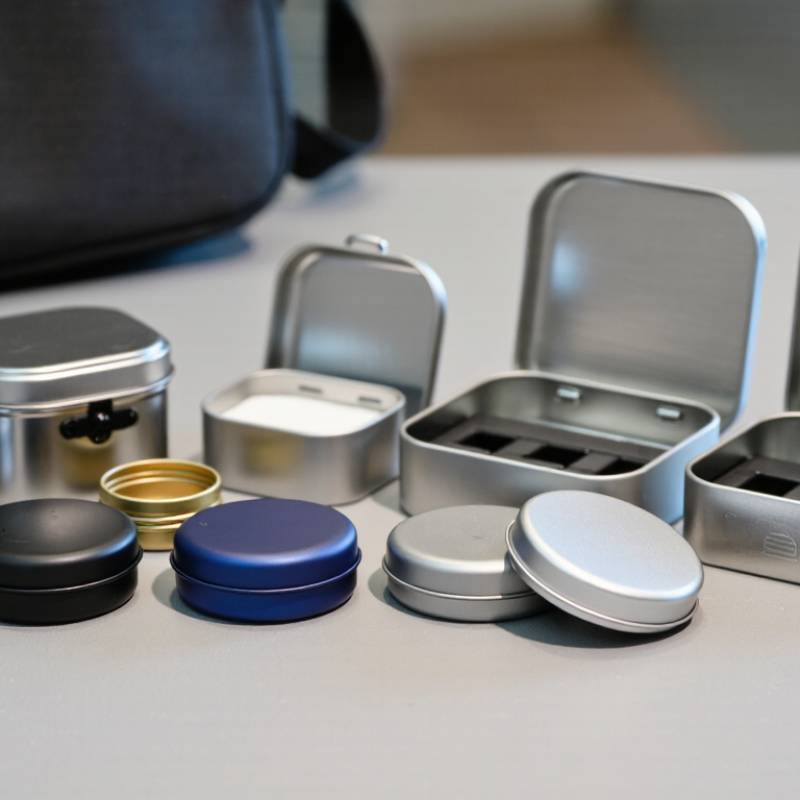
A metal pill container is a small, reusable case designed to hold a limited number of tablets or capsules. Most are made from aluminum or stainless steel, with a hinged lid, screw cap, or snap closure. The body protects contents from crushing in a bag or pocket. Simple, but useful.
It works by keeping pills together behind a closed lid. Some designs use a gasket to reduce exposure to splashes and humidity; others offer little moisture protection. A tight fit is not the same as a waterproof seal. I’ve found that tiny hinges and clasps can also collect dust, so check the closure and clean the case regularly with mild soap and water. Let it dry fully before refilling.
For travel, a compact case can make daily doses easier to carry and find. Still, it may not suit every medicine. Heat, light, or moisture can affect certain products, and transferring pills may remove important labeling. Check the medication’s storage instructions, and keep its name and dose identifiable. If the instructions call for original packaging, follow them. A metal case is practical, not magic.
A metal pill container should feel dependable in a pocket, not merely look sturdy on a shelf. Check the closure first: a screw-top lid should turn smoothly and stop securely, while a snap closure should resist opening when pressed against keys or a bag. A loose lid can make a small container frustrating. It can also let moisture in. Metal alone does not guarantee a tight seal, so look for a fitted gasket if protection from humidity matters.
Consider size, weight, and interior shape. A compact case fits a coat pocket, but may hold only a few doses; measure against the tablets you actually carry. Rounded edges are more comfortable against skin and less likely to catch on fabric. A smooth, corrosion-resistant interior is easier to wipe clean, especially after travel. Check that the hinge or threaded rim has no rough burrs. Small details matter.
Think about daily handling, too. Can you open it with one hand? Does the lid stay attached, or could it roll under a car seat? A metal container may be durable, but it can dent, rattle, or feel cold in winter. That trade-off is easy to overlook. Choose a finish you can inspect for wear, and keep the container dry after cleaning. A simple design is often easier to maintain than one with tiny compartments and hard-to-reach corners.
The seven best metal pill containers depend on where and how you use them. A keychain-sized case suits a single day’s doses, while a slim pocket tin slips beside a wallet. A weekly organizer separates doses by day, and a screw-top capsule helps prevent spills in a crowded bag. A hinged case opens quickly, though its clasp may loosen with repeated use. A small flat tin works for occasional tablets, but offers little separation. A removable-compartment organizer adds flexibility for travel. Small details matter.
Check that edges feel smooth and the lid closes firmly. Stainless steel resists dents well, while lighter metal cases are easier to carry but may bend. Neither material guarantees moisture protection, so keep medicines dry and follow the storage instructions on their packaging. For tablets that must stay in original packaging, ask a pharmacist before transferring them. I have found that tiny compartments can be hard to clean, and labels often rub off. Not perfect. Choose a case with enough room for your usual dose, clear divisions, and a closure you can open without straining your fingers. A few minutes of checking can prevent a frustrating leak or mix-up on the road.
A metal pill container is useful for carrying a small supply, but it is not automatically suitable for every medicine. Keep tablets in their original labeled packaging when possible, especially if they need protection from moisture or light. If you transfer doses, check the medicine’s storage instructions or ask a pharmacist. Some tablets need more care than a small metal case can provide.
Use a clean, completely dry container. Add only the doses you plan to carry, and keep different medicines separate so they cannot be mistaken for one another. A tiny labeled pouch can help. Check the lid closes securely before placing the case in a bag. Metal may dent, develop rough edges, or corrode if it stays damp. Inspect it now and then. Not every container seals tightly; that is easy to overlook.
Wash the case only if its design allows it, then dry every corner before refilling. Never put wet tablets inside. Keep the container away from children and pets, since many metal cases are not child-resistant. Avoid leaving it in a hot car or beside a sink. If tablets change color, smell, or texture, do not guess that they are still fine; check with a pharmacist. Convenience matters, but I would not trade clear labeling for a tidier pocket.
Check that the lid closes securely and turns smoothly. A fitted gasket may help limit moisture, but metal alone does not ensure a tight seal.
Compare its interior with the tablets you actually carry. A small case fits a coat pocket, but may hold only a few doses.
Yes. Rounded edges are less likely to catch on fabric, and a smooth interior is easier to wipe clean.
It may dent, rattle, or feel cold in winter. A loose lid can also be frustrating; that detail is easy to miss.
No. Keep tablets in their original labeled packaging when possible. For medicines with special storage needs, check the instructions or ask a pharmacist.
Make sure it is clean and completely dry. Wash it only if its design allows, and dry every corner before refilling.
Carry only the doses you plan to use, and keep different medicines separate. A tiny labeled pouch can help.
Do not guess that they are still fine. Check with a pharmacist if their color, smell, or texture changes.
Keep it away from children and pets, hot cars, and damp areas beside sinks. Many metal cases are not child-resistant.
We now offer custom-made commercial vehicle tarps, along with the ability to design your own curtains, noise panels, and strip doors—tailored to your exact needs!
At Singer Safety, we specialize in manufacturing high-performance tarps engineered to safely secure and protect your vehicle loads during transport.