Best Noise Reducing Curtains for Ultimate Sound Isolation?
In today's fast-paced world, noise can be a significant distraction. Many people seek solace at home, but external sounds often invade our peaceful spaces. Noise reducing curtains offer a practical solution. These specialized drapes not only enhance privacy but also provide a barrier against disruptive sounds.
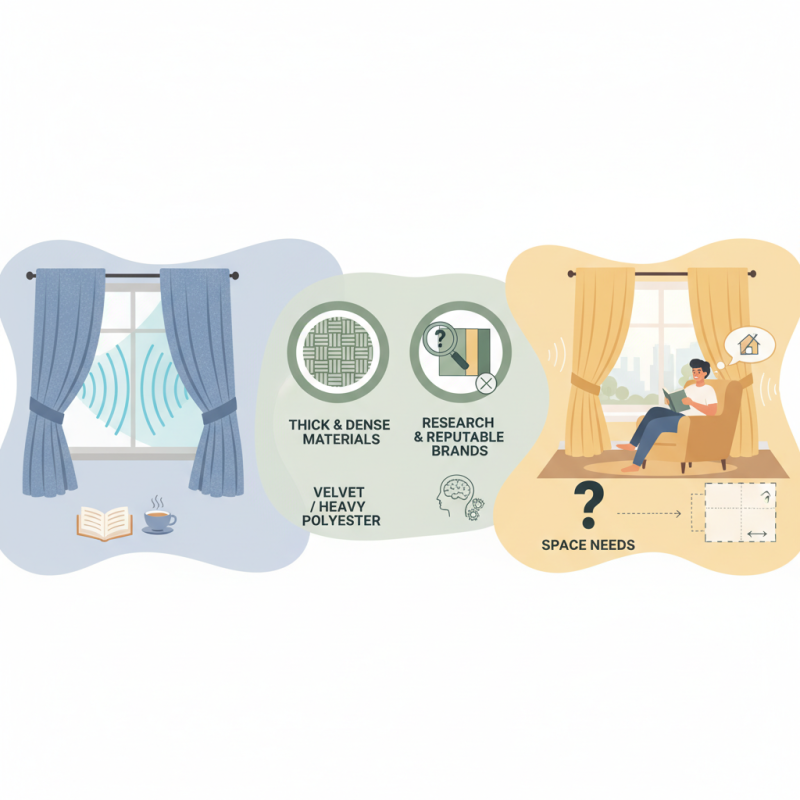
Choosing the right noise reducing curtains requires careful consideration. Look for materials that are thick and dense. Fabrics such as velvet or heavy polyester can block sound effectively. However, not all curtains are created equal. Some may claim soundproofing benefits but fail to deliver. It's essential to research and select reputable brands.
Incorporating noise reducing curtains into your home can create a serene environment. They blend style and functionality, making them a smart addition. Picture settling down with a book, undisturbed by the hustle outside. Yet, even the best products may not completely eliminate sound. Reflection on the specific needs of your space is crucial for optimal results.
What Are Noise Reducing Curtains and How Do They Work?
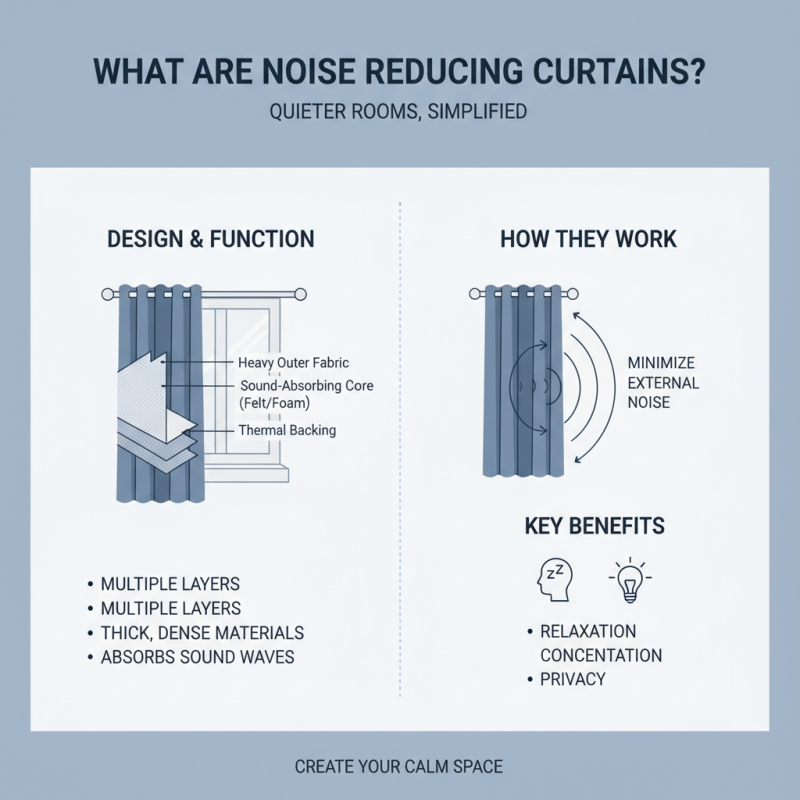
Noise reducing curtains are designed to minimize sound entering a room. They typically feature multiple layers of thick fabric, which absorb sound waves. This design helps create a quieter environment, vital for relaxation and concentration.
Understanding how these curtains work is essential. The material used often includes heavy fabrics, like velvet or polyester. These materials can trap sound, reducing echo and outside noise. The placement of the curtains is also crucial. Installing them close to windows or doors ensures better soundproofing by covering gaps that allow sound to seep in.
However, not all curtains provide the same level of noise reduction. Some may only muffle sounds slightly, while others significantly decrease noise pollution. It's essential to acknowledge that even the best options might not eliminate all sound entirely. One may find they still hear low-frequency noises, like traffic or trains. Thus, evaluating the specific noise issues in your space is vital before deciding.
Key Features to Look for in Noise Reducing Curtains
When searching for effective noise reducing curtains, understanding the key features is essential. Look for materials specifically designed to absorb sound. According to a report by the Acoustical Society, heavy fabrics like velvet and polyester are highly effective. These materials can significantly reduce noise levels by up to 50%. The thickness of the fabric also plays a crucial role. A thicker curtain generally provides better sound isolation.
Consider the design of the curtain as well. Curtains that extend beyond the window frame can help prevent sound leakage. It’s also important to choose a curtain with a dense weave. This type of fabric minimizes sound waves from penetrating through. Research shows that curtains lined with additional layers can enhance soundproofing properties.
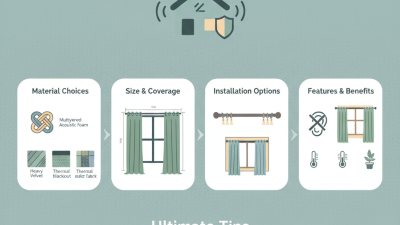
Another feature to evaluate is the installation method. Proper installation is crucial for maximum effectiveness. Grommet-top or rod-pocket designs ensure a tight fit. This helps block out outside noise effectively. It’s worth noting that while some curtains offer sound reduction benefits, achieving complete sound isolation is challenging. Continuous innovation in curtain technology may not eliminate all noise, but it certainly makes a noticeable difference in creating a quieter environment.
Best Noise Reducing Curtains for Ultimate Sound Isolation
| Curtain Material |
Thickness (mm) |
Noise Reduction Rating (NRR) |
Light Blocking (% Darkening) |
Thermal Insulation |
Care Instructions |
| Polyester Blend |
10 |
30 dB |
85% |
Yes |
Machine wash cold |
| Heavyweight Velvet |
12 |
35 dB |
90% |
Yes |
Spot clean only |
| Linen Blend |
9 |
28 dB |
80% |
No |
Dry clean recommended |
| Acoustic Fabric |
15 |
40 dB |
95% |
Yes |
Wipe clean with damp cloth |
| Blackout Polyester |
11 |
33 dB |
100% |
Yes |
Machine wash cold, tumble dry |
Top Brands and Products for Effective Sound Isolation
When seeking effective sound isolation, the right curtains play a crucial role. Certain brands design their products with thick materials that can absorb sound waves. These curtains often feature multiple layers. Some contain specialized fibers that diminish noise significantly. Choosing the appropriate thickness is key. Many consumers overlook this detail, thinking any curtain will suffice.
Consider the benefits of heavier fabrics. Velvet and polyester blend options often outperform lighter materials. Dense weaves can block external noises better. It's intriguing to note how colors can impact sound absorption too. Darker shades absorb more sound. Some users have reported mixed results. Still, a well-chosen curtain can enhance any room's acoustics.
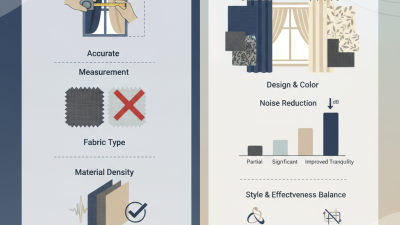
Measuring your windows accurately can prevent costly mistakes. Not all curtains are long enough to reach the floor. This gap may let sound seep in. Users should also think about installation. Properly sealing the curtain edges can boost sound isolation. Some find the installation process daunting, complicating their overall experience. Careful research and planning help create a quieter home environment.
Installation Tips for Maximum Noise Reduction
When installing noise-reducing curtains, proper techniques can significantly enhance sound isolation. Professional studies indicate that curtains can reduce noise levels by up to 40%, depending on their material and installation method. To maximize effectiveness, ensure that curtains extend beyond the window frame. This creates a seal, minimizing sound leakage around the edges.
Using the right hardware is crucial. Heavy-duty curtain rods should be selected to support thick, weighted fabric. Additionally, mounting curtains as close to the ceiling as possible boosts sound absorption. A gap at the top allows sound to travel in, reducing overall efficiency. Many overlook how the color and texture can also impact acoustics. Dark, thick materials tend to absorb sound better than lighter ones.
It's worth noting that not all curtains perform equally. Some homeowners may install curtains without checking their Sound Transmission Class (STC) ratings. Curtains with higher STC ratings offer better noise reduction. However, installing them alone may not suffice. Complementing curtains with acoustic panels provides a more comprehensive solution for sound isolation.
Maintenance and Care for Long-Lasting Soundproofing Effects
To maintain the soundproofing effects of noise-reducing curtains, proper care is essential. Regular cleaning helps prevent dust buildup, which can diminish their effectiveness. A gentle vacuuming with a brush attachment can remove particles without damaging the fabric. Spot cleaning is also important, especially in high-contact areas. Using a mild detergent on stains ensures longevity.
Humidity can affect the material of curtains. Excess moisture may lead to mold growth or odors. It’s wise to regularly check for any signs of moisture, especially in areas prone to dampness. If you notice that your curtains retain smells despite cleaning, an air dry outside can refresh them. Avoid direct sunlight for prolonged periods, as fading can occur.
Choosing the right hardware is crucial. Heavy-duty rods can support the weight of thicker curtains, ensuring they hang properly. An ill-fitting rod may lead to gaps, allowing noise to seep in. Regularly inspect your installations to ensure they're secure. Small adjustments can make a big difference in performance.


 '
'
