10 Best Organic Body Lotion Brands for Global Buyers?

Organic Body Lotion has moved from a niche shelf to a global buying category. Grand View Research estimated the global organic personal care market at USD 21.45 billion in 2023, with continued growth expected through 2030. That wider market includes more than body lotion, so buyers should treat the figure as context, not a lotion-specific forecast.

The choice is not as simple as “organic” versus “chemical.” Dr. Joshua Zeichner, a dermatologist specializing in cosmetic science, has cautioned that natural ingredients are not automatically safer or more effective. That matters. A rich cream can feel soothing on dry elbows yet irritate freshly shaved skin. Buyers should compare ingredient lists, fragrance, texture, packaging, and the clarity of each brand’s sourcing claims. Organic standards also vary by market and certification, so a front-label claim deserves a closer look.

This guide introduces ten Organic Body Lotion brands for global buyers, focusing on product positioning, ingredient transparency, and practical purchasing considerations. Some brands emphasize certified ingredients; others highlight plant oils, refillable bottles, or sensitive-skin formulas. The trade-offs are real. A polished label cannot replace clear evidence, and “natural” is not a skin type. Consider this a starting point, not a perfect ranking: availability, price, and formula details can change by country and over time.
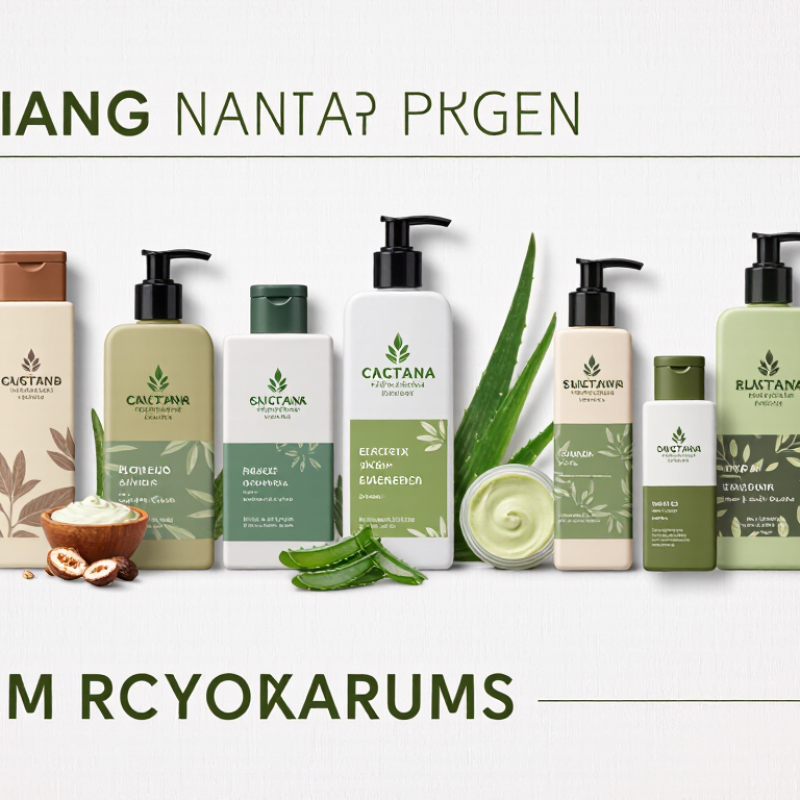
10 Best Organic Body Lotion Brands for Global Buyers?

What Qualifies as an Organic Body Lotion in Global Markets?

“Organic” does not have one universal meaning for body lotion.

In many markets, local rules or private certification standards define which claims are acceptable. Requirements can differ. Global buyers should check whether certification covers the finished lotion or only selected ingredients. Look for the certifier, product scope, and current certificate, not just a leaf symbol on the label. Useful paperwork includes a complete ingredient list, the stated percentage of organic ingredients, and traceability records showing where key oils or extracts came from. Water matters, too: a lotion may contain mostly water, which cannot be certified organic in the same way as plant ingredients. Ask how the organic percentage is calculated.

A careful review goes beyond the word “organic.” Check the full ingredient declaration, batch identification, and whether the supplier can provide supporting records. If the product is sold in several countries, confirm that its wording and documentation suit each destination market. Standards vary. Organic does not automatically mean fragrance-free, suitable for sensitive skin, or environmentally superior. A botanical oil can still irritate some users, and packaging affects the product’s footprint. There is a trade-off. Buyers may need to balance certification, formula performance, shelf stability, and price. One detail is easy to overlook: a valid certificate for a raw ingredient does not prove that the finished lotion itself is certified.

Key Ingredients and Certifications Buyers Should Check

A lotion’s organic claim is only useful when buyers can verify what it covers. Check the full ingredient list, not just the front label. Plant oils, aloe, and glycerin can support a moisturizing formula, while fragrance may irritate sensitive skin. “Natural” does not automatically mean gentle. Read the fine print.

Look for clear INCI names and the percentage of certified organic ingredients. Water-based lotions also need suitable preservation to limit microbial growth; avoiding all preservatives is not necessarily a quality signal. Packaging matters, too. A pump can reduce repeated contact with the product, especially in humid bathrooms, though it does not replace good formulation.

Certifications such as COSMOS or USDA Organic can offer useful checks, but their rules and scope differ. Confirm that the certificate applies to the finished product, not merely one ingredient, and check its validity with the certifier where possible. Requirements can vary by market, so ask suppliers for current certificates, ingredient documentation, and test results. A logo alone tells an incomplete story. Labels can still be confusing, even when the paperwork is sound.

10 Best Organic Body Lotion Brands for Global Buyers? - Key Ingredients and Certifications Buyers Should Check

Brand-neutral buyer comparison: ten body-lotion profiles and the ingredients, documentation, and claims to evaluate. This is a purchasing checklist, not a brand ranking.

No. Lotion profile Key ingredients to assess Buyer checks Certification and claim checks Global-market considerations
1 Everyday moisturizing lotion Glycerin, aloe, sunflower seed oil, and shea butter can provide humectant and emollient functions. Request the full INCI ingredient list, ingredient-origin documentation, and product stability data. Confirm whether “organic” applies to the finished product or only selected ingredients. Check the exact product and certificate scope under a recognized organic standard, such as USDA Organic or COSMOS Organic. Organic status does not by itself establish product efficacy or suitability for every skin type. Water and salt are treated differently in USDA organic percentage calculations. Check the applicable labeling category and the rules in each destination market.
2 Fragrance-free sensitive-skin option Glycerin, colloidal oatmeal, and simple plant-oil blends may appear in these formulas. “Fragrance-free” is a formulation claim, not an organic ingredient. Check the complete ingredient list for fragrance and fragrance-related ingredients, and ask for substantiation of sensitive-skin or dermatological claims. Organic certification does not mean hypoallergenic or fragrance-free. Treat those claims as separate and request supporting evidence. Ingredient disclosure and fragrance-allergen requirements vary by jurisdiction and can change. Review current local cosmetic-labeling rules before import.
3 Rich lotion for very dry skin Shea butter, cocoa butter, sunflower oil, and glycerin are common emollient or humectant choices. Review the oil and butter sources, processing details, and allergen information. Confirm that the texture and packaging remain suitable across expected storage conditions. Check whether the certificate covers the finished formula or only agricultural ingredients. A natural or organic seal does not guarantee a specific level of moisturization. For hot or humid markets, assess viscosity, separation, and packaging performance under relevant transport and storage conditions.
4 Barrier-support lotion Glycerin, plant oils, and ceramides may be combined. Ceramides can be produced by different methods and are not necessarily organic. Ask suppliers to identify ingredient origin and provide a complete INCI list. Check that barrier-related claims are supported by appropriate product testing. An organic certificate may cover only eligible agricultural ingredients; it does not mean every component, such as a ceramide, is organic. Confirm that ingredient names, product claims, and any required safety documentation meet the rules of the destination market.
5 Lightweight lotion for warm climates Aloe, glycerin, and lighter oils such as jojoba or sunflower oil may suit a less-rich texture. Review the full formula and request stability, preservation, and packaging compatibility data. A “lightweight” description is not a standardized performance measure. Check the validity and scope of any organic certificate for the specific product. Do not treat “plant-based” as equivalent to “certified organic.” Assess heat exposure during shipping and storage, and confirm that the formula remains physically and microbiologically suitable.
6 Botanical-extract lotion Ingredients may include green tea extract, aloe, or tocopherol alongside a moisturizing base. Request ingredient specifications and evidence for antioxidant or other performance claims. Extract presence alone does not establish a clinical benefit. Check whether each organic ingredient is traceable and included in the certificate documentation. A certification mark should be verifiable for the product and current validity period. Botanical names, ingredient labeling, and permitted claims may differ by market. Review the destination market’s current requirements.
7 Family-use lotion Simple moisturizing formulas may use glycerin, aloe, and plant oils; the ingredient list should be evaluated for the intended users. Confirm the product’s intended age group and request relevant safety substantiation. “Natural” or “organic” alone does not prove that a product is suitable for infants or children. Organic certification is separate from age suitability, hypoallergenic status, and safety assessment. Verify each claim independently. Check local restrictions and labeling requirements for products marketed for babies or children, which can differ from general adult cosmetics.
8 Vegan-formula lotion Plant oils and butters may be used instead of animal-derived ingredients such as beeswax or lanolin. Ask for ingredient-origin statements and checks for animal-derived processing aids where relevant to the buyer’s definition of vegan. Vegan certification and organic certification are separate. Confirm that each seal covers the relevant product and claim. Clarify the intended vegan-claim standard for each market and keep supplier documentation available to support the label claim.
9 Preservative-conscious lotion Water-based lotions commonly need a preservation system to help control microbial growth. Plant oils and glycerin do not replace this function. Request preservative details, microbiological quality information, and appropriate testing for the finished formula. Do not assume “preservative-free” means safer. Organic standards may restrict or regulate certain ingredients, but certification does not remove the need for effective product preservation and safety controls. Confirm the product meets applicable cosmetic safety and microbiological requirements in every intended market.
10 Refill or reduced-packaging option Evaluate the lotion formula separately from its container; packaging does not determine whether ingredients are organic. Request packaging-material details, refill instructions, and evidence for any recyclability or reduced-plastic claim. Check whether the refill system protects the product during use. Organic certification generally concerns the product or its ingredients, not an automatic environmental endorsement of the packaging. Verify packaging claims separately. Check local packaging, recycling-labeling, and extended-producer-responsibility rules for each sales destination.

Buyer reminder: Verify certificate authenticity, product scope, validity dates, ingredient documentation, and destination-market compliance directly against current requirements. Certifications and labeling rules can vary by standard and jurisdiction.

Ten Organic Body Lotion Brands with International Appeal

Ten Organic Body Lotion Brands with International Appeal

For global buyers, an organic body lotion needs more than a botanical story. It should feel comfortable in daily use, travel well, and explain its ingredients clearly. Grand View Research estimated the global organic personal care market at USD 21.1 billion in 2022, with projected annual growth of 9.1% through 2030. That signals opportunity, not proof that every product will suit every market. Small details matter. A lotion that spreads easily after a shower, absorbs without a sticky film, and comes in a practical pump may earn repeat use across climates.

When comparing ten internationally appealing brands, buyers can look for transparent ingredient lists, credible organic certification, and packaging suited to shipping and retail shelves. Certification standards differ, so “organic” claims deserve careful checking. FiBL and IFOAM’s 2024 report recorded 96.4 million hectares of organic farmland worldwide in 2022; this broad figure offers sourcing context, but does not prove a lotion’s ingredients are certified. Look for clear sourcing information instead. Also consider fragrance strength, texture, and how the formula behaves in warm or dry conditions. A shortlist can still miss local preferences. That is worth remembering. A scent loved in one market may feel overpowering elsewhere, and no single formula is perfect for every buyer.

How the Brands Compare by Formula, Skin Type, and Price

Organic body lotions vary more in texture and performance than their labels suggest. Some use lightweight oils and humectants that sink in quickly, while richer formulas rely on plant butters for lasting comfort. Check the full ingredient list, not just the front label. Fragrance from botanical extracts can still bother sensitive skin. “Natural” is not automatically gentle.

Skin type matters. For dry elbows or winter-dulled legs, a denser lotion may reduce that tight feeling after a shower. Normal or combination skin may prefer a pumpable formula that leaves less residue on clothing. Sensitive skin benefits from short, clearly disclosed ingredient lists and a patch test on a small area. Give it a day. Even familiar plant oils can irritate some people.

Price comparisons work best per 100 milliliters, with shipping and package size included. A low-cost bottle may need frequent reapplication; a pricier one may feel too heavy for daily use. For global buyers, check whether ingredient names, batch details, and storage guidance are easy to verify. Organic certification standards differ by market, so look for the certifier’s name rather than relying on a vague claim. I would not treat price as proof of quality; honestly, texture preferences make neat rankings imperfect.

Global Sourcing Factors: Availability, Compliance, and Packaging

For global buyers, organic body lotion sourcing starts with repeatable supply, not a polished catalogue. Ask suppliers for current production capacity, minimum order quantities, lead times, and seasonal ingredient risks. A lotion made with plant oils may face price or availability shifts after harvest. Request recent batch records and a clear process for notifying buyers about formula or raw-material changes. A low quote is not useful if replenishment slips by six weeks.

Compliance needs checking for each intended market. Product and documentation requirements can differ by destination, so confirm them with qualified local advisers. Ask which ingredients are certified and whether certificates apply to the ingredients, facility, or finished product. Keep product claims consistent with the evidence supplied. Small details matter. Check that labels, ingredient lists, and supporting records match the actual formula.

Tips: Test packaging before placing a large order. Fill sample bottles, store them upright, and check for leaks, oily residue, or damaged pumps after transit simulation. Confirm that the container protects the lotion from light and heat during expected shipping conditions. Get artwork dimensions and material specifications in writing. Even a neat checklist can miss a weak pump; test it first.

Global Sourcing Factors: Cosmetic Product Notification Timelines

This chart compares product notification or listing deadlines—not organic certification, product approval, or total compliance requirements. EU and UK notifications are required before a product is placed on the market; Canada requires notification within 10 days after first sale; and under the U.S. MoCRA, product listing is generally due within 120 days after marketing begins. Buyers should separately verify supplier availability, organic-claim substantiation, local import requirements, and packaging rules for each destination market.

'