Best Practices for Commercial Beer Storage Solutions?
Effective Commercial Beer Storage is vital in the beer industry. A recent report from the Brewers Association highlights that nearly 60% of beer spoilage stems from improper storage conditions. Maintaining optimal temperature and humidity levels is crucial. The ideal temperature for most beers ranges from 38°F to 55°F (3°C to 13°C), depending on the style.
Choosing the right storage solutions ensures product quality and customer satisfaction. Many businesses overlook the importance of light exposure. Excessive light can cause beer to develop off-flavors, drastically affecting taste. A study by the American Society of Brewing Chemists indicates that UV light can lead to skunky flavors in beer within minutes.
However, many breweries still use inadequate storage methods. This can lead to significant losses and impact revenue. Investing in specialized commercial beer storage solutions is essential for maintaining product integrity and extending shelf life. Effective solutions enhance not only the quality but also the brand’s reputation in a competitive market.
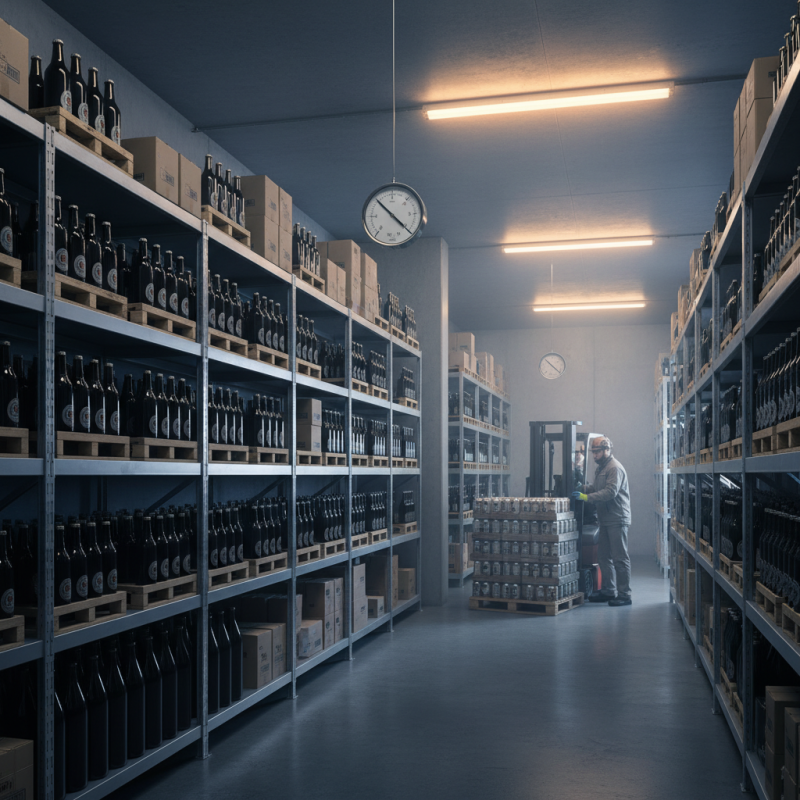
Understanding the Importance of Proper Beer Storage
Proper beer storage is essential for maintaining quality and taste. When beer is stored incorrectly, it can spoil or lose its intended flavors. Temperature and light play crucial roles in the preservation of beer. Temperature fluctuations can lead to off-flavors. Ideally, beer should be kept at a consistent, cool temperature.
Light exposure is another critical factor. Ultraviolet rays can cause skunky flavors. This is why many breweries use dark bottles. However, even clear and green bottles filter some UV light. It's important to store beer in a dark place, away from direct sunlight.
Additionally, the orientation of beer bottles matters. It's generally better to store bottles upright. This reduces the risk of the beer interacting with the cap. For cans, there’s less concern, but they too should be kept cool and dark. Despite our best efforts, not all storage solutions are perfect. Regular checks on beer quality can help catch any issues early on. Reflecting on these practices ensures a better beer experience.
Best Practices for Commercial Beer Storage Solutions
| Storage Method | Temperature Range (°F) | Humidity Level (%) | Duration of Storage | Notes |
| Refrigerated Storage | 35 - 45 | 45 - 55 | 6 months | Ideal for most beers; prevents spoilage |
| Cellar Storage | 45 - 55 | 50 - 70 | 1-3 years | Best for aging certain styles |
| Keg Storage | 34 - 40 | 40 - 50 | 3 months | Use CO2 for best results |
| Dry Storage | Room Temp (60 - 70) | Varies | Up to 1 year | Not recommended for long-term storage |
Key Factors Affecting Beer Quality and Longevity
Proper beer storage is crucial. Temperature, light exposure, and humidity can significantly affect a beer’s quality and longevity. Research shows that beer is best stored at a consistent temperature between 45°F and 55°F (7°C to 13°C). Fluctuating temperatures can cause premature aging. Many brewers recommend avoiding extremes.
Light exposure can lead to skunking, especially with bottles. A 2009 study highlighted that even brief exposure to UV light can alter hop compounds. This results in undesirable flavors. It’s best to store beer in dark conditions or in brown glass bottles.
Humidity plays a role in preserving the cork in bottle-conditioned beers. Keeping humidity levels around 50% helps maintain the seal. However, excess moisture can encourage mold. Regularly monitoring these factors contributes to a more enjoyable beer experience. Awareness of these elements shows a commitment to beer quality. It helps in making informed storage choices.
Types of Commercial Beer Storage Solutions Available
When it comes to commercial beer storage solutions, understanding the various types available is key. One popular option is the commercial beer fridge. These refrigerators are specifically designed to maintain optimal temperatures for different beer styles. They typically feature storage shelves and can efficiently chill large quantities of beer. However, they can consume a lot of energy, leading to higher operational costs.
Another alternative is kegerators. These units are ideal for businesses that serve draft beer. Kegerators maintain the perfect temperature and pressure, ensuring quality pours. They come in different sizes to fit various spaces. However, they require regular maintenance and cleaning, which can sometimes be overlooked.
Lastly, consider storage solutions like beer cellars or climate-controlled cabinets. These options provide a controlled environment for aging beer. The consistent temperature and humidity levels help enhance flavors over time. Yet, investing in such systems can be expensive, and not every business may see a return on that investment. Assessing the storage needs of your beer selection is crucial to making the right choice. Each solution comes with its unique set of benefits and challenges that must be considered carefully.
Optimal Temperature and Humidity Levels for Beer Storage
When it comes to beer storage, maintaining optimal temperature and humidity is crucial. The ideal temperature for storing beer is between 45°F and 55°F (7°C to 13°C). This range helps preserve flavors and aromas. If the temperature fluctuates, it can negatively impact the beer's quality. Keeping beer too cold or too warm can lead to off-flavors.
Humidity is just as important. Aim for a relative humidity of around 50-70%. Too much humidity can cause labels to peel or promote mold growth. On the other hand, low humidity can dry out corks, allowing air to seep into bottles.
Tips: Invest in a thermometer and hygrometer to monitor your storage conditions. Regularly check your equipment for accuracy. Proper organization also matters; store larger bottles upright and smaller ones horizontally if needed. Consider your storage space—avoid areas near heating vents or windows to prevent temperature swings. Recognizing these nuances can significantly enhance your beer storage experience.
Best Practices for Organizing and Maintaining Beer Inventory
Proper organization and maintenance of beer inventory is crucial for any establishment serving crafted brews. Start by categorizing your beer by style and type. This method makes it easy to locate specific brands and helps maintain an organized stock. Establish a rotation system to ensure older stock is consumed first. This can significantly reduce waste and maintain beer quality.
Temperature control is essential for preserving beer flavor. Store ales at a warmer temperature than lagers. Keeping a consistent temperature helps prevent off-flavors. An inventory management app can streamline tracking. Yet, some businesses overlook this convenient tool. Manual counting can lead to errors. Regularly check equipment like coolers for functionality. Neglecting maintenance schedules may lead to losses.
Staff training is key for effective inventory management. All personnel should understand the value of proper beer storage. Encourage them to report abnormalities. Sometimes, they might forget to restock popular items. Therefore, creating a checklist can be beneficial. However, checklists need updates to reflect changing beer selections. This ensures your inventory remains fresh and appealing to customers.
Best Practices for Organizing and Maintaining Beer Inventory

 '
'
