Best Push Up Bra Manufacturers in China for Wholesale Buyers?
Choosing the right push-up bra manufacturer in China involves more than comparing prices. Wholesale buyers need products that fit consistently, hold their shape, and arrive according to agreed schedules. A clear supplier review can reduce avoidable surprises.
Bras Push Up styles vary in cup construction, padding, straps, fabrics, and level of support. Ask manufacturers how they handle size grading and whether sample pieces match the specifications provided. A few samples can reveal details a catalog cannot: seam comfort, stitching density, lining feel, and how cups look under clothing. Small checks matter.
A polished catalog is not proof. Request clear information about minimum order quantities, production timelines, customization options, and quality checks. Confirm which materials and testing documents are available, then verify relevant claims independently. Communication matters, too. Specific answers about defects, revisions, and packaging are more useful than broad promises.
For a fair comparison, buyers can request quotes using the same product details and order quantities. This makes differences easier to assess without treating the lowest price as the best value. Some information may remain unclear until samples are reviewed. That is worth acknowledging. This guide introduces manufacturers serving wholesale buyers and outlines practical questions to ask before placing an order. The aim is not to promise a perfect supplier, but to help buyers make a better-informed choice.
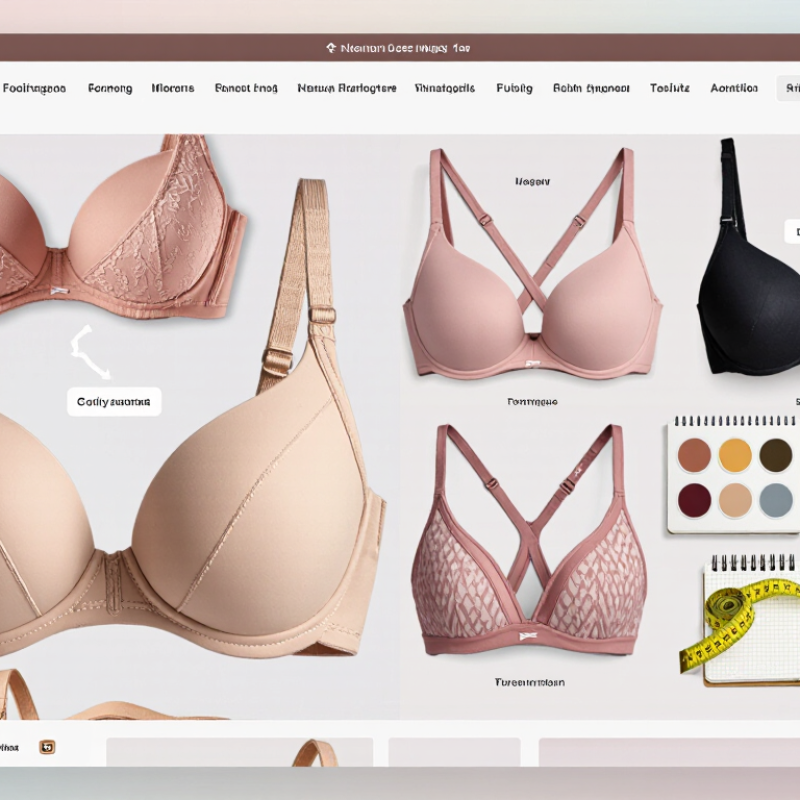
Overview of China’s Push-Up Bra Manufacturing Industry
China’s push-up bra manufacturing industry brings together fabric sourcing, cup molding, sewing, and finishing under one supply chain. Many factories serve wholesale buyers through OEM or ODM production, with options for molded foam cups, removable pads, lace overlays, and adjustable straps. Capabilities differ. A polished sample does not always show how well a factory handles repeat orders.
On a production floor, technicians may check cup symmetry, stitch tension, and hook placement before packing. Small changes in foam thickness can alter lift and comfort, so buyers should review size grading across the full range, not just one sample size. Fit is personal. Wear tests on different body shapes can reveal pressure points that a flat measurement misses.
China’s established textile and component networks can help coordinate fabrics, elastics, hardware, and packaging. Still, timelines depend on material availability, order size, and sampling revisions. Ask for clear specifications, sample approval records, and quality checks for finished goods. A factory’s stated capacity is useful, but it is not proof of consistent output. That distinction is easy to overlook. Shortlisting suppliers takes time, and sometimes the first promising sample needs another round of changes.
Push-Up Bra Styles and Wholesale Product Options
Push-up bras come in several shapes, and each serves a different fit preference. Plunge cups suit lower necklines, while balconette styles offer a more open neckline. Molded cups create a smooth outline under T-shirts. Graduated padding can add lift without making the cup feel uniformly thick. Removable pads give shoppers another way to adjust volume. Fit comes first. Buyers should compare cup depth, center-gore height, strap placement, and band tension across the intended size range. A style that looks supportive on a sample form may feel restrictive on a real body.
Wholesale product options can include wired and wire-free versions, smooth microfiber, lace overlays, and adjustable straps. Color planning matters, too: black, nude shades, and seasonal colors serve different retail needs. Ask manufacturers about available size grading, fabric composition, customization limits, sample timelines, and minimum order quantities. Then check stitching, cup symmetry, and hook-and-eye security on physical samples. Wash testing can reveal changes in elasticity or padding shape. Trade-offs are real. Extra padding may improve lift, but it can also add heat and bulk. Buyers should not rely on a product photo alone; sometimes a second fit review catches issues the first sample missed.
Push-Up Bra Styles: Typical Coverage Comparison
A quick wholesale product-planning guide to common push-up bra styles.
Coverage ratings are qualitative comparisons on a 1–5 scale, not sales or market-share data. Plunge styles typically offer less coverage, while full-coverage styles offer more. Actual coverage and wholesale options vary by design and supplier; confirm specifications, sizes, fabrics, and customization options before ordering.
Leading Push-Up Bra Manufacturers in China for Wholesale Buyers
For wholesale buyers, a capable push-up bra manufacturer should show more than attractive samples. Look for in-house pattern development, graded cup sizing, stable foam shaping, and consistent underwire placement. Grand View Research estimated the global lingerie market at USD 88.32 billion in 2023 and forecast 6.1% annual growth through 2030. That outlook signals opportunity, but it does not prove any factory can meet your quality or delivery targets.
Ask suppliers for a size-run sample, material specifications, and a written production schedule. Check whether the foam keeps its shape after washing and whether straps remain secure during wear. Review stitching around the cup edge and underwire channel; small inconsistencies can become costly across a bulk order. Request recent inspection records and clarify how defects, repeat orders, and changes in material are handled. A polished sample can still hide weak process control. This is easy to overlook.
Tips: Send a measurement sheet and target fit notes before sampling. Compare the same style across sizes, not just one sample. Confirm minimum order quantities, lead times, and packaging details in writing. If a factory’s answers are vague, pause and ask for evidence. A little friction now may prevent a much larger problem later.
Supplier Verification, Sampling, and Wholesale Ordering Steps
Before requesting a quote, ask each shortlisted factory for its business registration details, production address, recent audit documents, and material specifications. Confirm that the documents match the actual production site. Textile Exchange’s Materials Market Report 2024 estimated global fiber production at 124 million tonnes in 2023, with production projected to reach 160 million tonnes by 2030. For a bra order, request fiber-content records for the outer fabric, lining, and foam. Paper is not proof. Check dates and issuing bodies.
Order samples in the intended fabric and color, not just a showroom sample. Test several sizes for cup shape, band tension, strap slippage, and wire-channel comfort. Wash samples using the care instructions, then inspect foam recovery, seam puckering, and color change. Fit tells more. Record measurements and send marked-up photos, but remember that one wearer cannot represent every body shape. That deserves a second fitting.
Before bulk production, approve a sealed reference sample and confirm grading, minimum order quantity, unit price, packaging, lead time, inspection criteria, and defect remedies in writing. Request a pre-production sample after materials are selected. Pay against agreed milestones, and inspect cartons before shipment. Start with a manageable trial order when uncertainty remains; a cheaper quote can still become an expensive lesson.

 '
