What is the Best Sound Absorbing Panels for Your Needs?
Finding the right sound absorbing panels can greatly improve your space. Whether it's an office, studio, or home, noise control is essential. Sound absorbing panels reduce echo and enhance acoustic clarity. They come in various materials, colors, and styles to fit your needs.
Many factors influence the effectiveness of these panels, including placement and material choice. It’s important to consider your specific environment. For instance, a home theater may require different panels than a busy office. While some panels may look appealing, they might not provide adequate sound absorption. This discrepancy can lead to frustration.
Exploring the best sound absorbing panels involves understanding your unique requirements. You might discover that budget options work just as well as high-end brands. Make sure to reflect on your choices; aesthetics should not overshadow performance. Knowledge is key in making informed decisions that enhance your space acoustically.
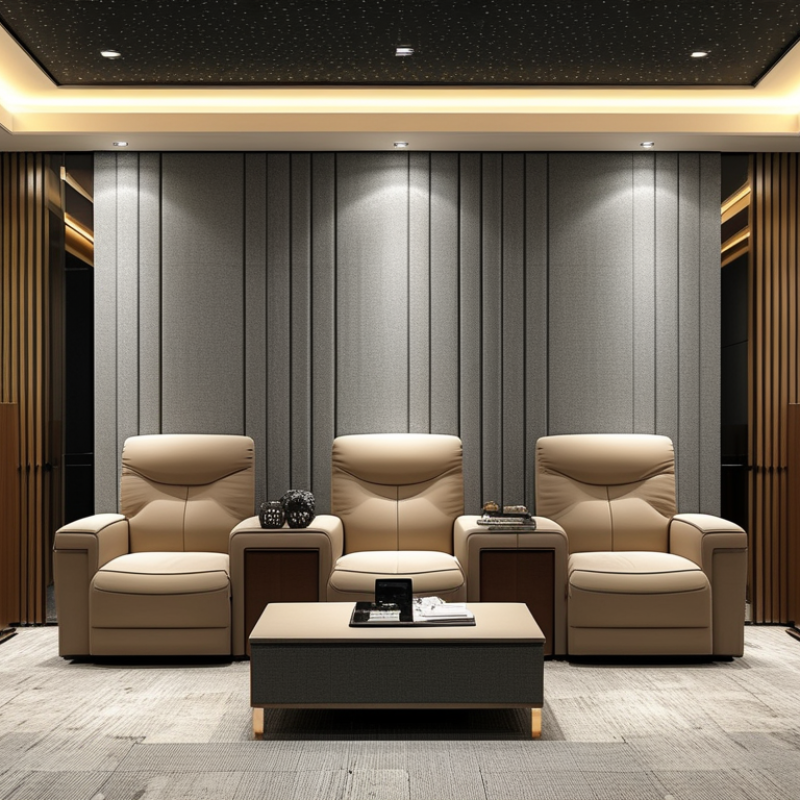
What Are Sound Absorbing Panels and How Do They Work?
Sound absorbing panels are designed to improve the acoustics of a space. They reduce echo and minimize background noise. People often use these panels in offices, studios, and even homes. By absorbing sound waves, they make environments more comfortable and pleasant.
These panels work by converting sound energy into small amounts of heat. When sound waves hit the panel, the porous material absorbs some of the sound. Different materials and thicknesses affect their absorption rates. For example, thicker panels tend to absorb lower frequencies better. It’s crucial to choose the right type based on your specific space and needs.
However, not all applications have the same requirements. Installation can be tricky, and placement is key. Some users find their chosen panels do not perform as expected. This may lead to dissatisfaction. Measuring your space's acoustics accurately is essential for better results. Choosing by appearance alone might not yield the desired sound quality improvement.
Sound Absorbing Panels Effectiveness Comparison
Types of Sound Absorbing Materials: Pros and Cons
When choosing sound-absorbing panels, understanding the types of materials is crucial. Different materials offer unique pros and cons. For instance, foam panels are lightweight and easy to install, but they may not provide sufficient soundproofing for larger rooms. According to a 2022 industry report, foam panels have an average sound absorption coefficient of 0.80 in mid-range frequencies. This indicates decent effectiveness but highlights their limitations in diverse sound environments.
Fabric-wrapped panels are another popular option. They often contain mineral wool or fiberglass. These materials are denser, offering better sound absorption, with reported coefficients reaching 1.00. However, they can be more expensive and require careful maintenance to prevent dust accumulation and deterioration. One noteworthy consideration is that while fabric-wrapped panels might offer superior performance, their installation and cleaning can become a hassle over time.
Tip: Consider testing samples before making a purchase. This allows you to assess performance in your specific environment. If possible, consult with an acoustic expert to better understand your unique needs.
Reflect on your space's design as well; aesthetics matter just as much as sound quality. Choosing the right panels is often a trial-and-error process, so remain patient and open to adjustments.
Measuring Sound Absorption: Key Metrics and Industry Standards
When selecting sound-absorbing panels, understanding key metrics is crucial. The Noise Reduction Coefficient (NRC) is a primary measure indicating how effectively a material absorbs sound. NRC values range from 0 to 1, with higher numbers signifying better absorption. For example, panels with an NRC of 0.80 absorb 80% of sound waves.
Another important metric is the Sound Absorption Average (SAA). This represents the average absorption performance over a range of frequencies. Reports suggest that SAA is critical for environments where varied sound frequencies are present. Many industry standards highlight the importance of providing a broader frequency spectrum in sound absorption to achieve optimal results.
Tips: Consider the panel thickness, as thicker panels generally enhance absorption. Also, the material's density plays a role in effectiveness. Larger spaces often require more panels to achieve desired sound quality. Reflecting on your environment's uniqueness can guide better choices. Make sure to assess potential limitations with your sound-absorbing selections. Adjustments in layout or additional materials may be required for ideal sound management.
Choosing the Right Thickness and Density for Your Space
When selecting sound-absorbing panels, thickness and density are crucial. Thicker panels generally provide better sound absorption. For instance, a panel that is two inches thick absorbs more sound than a one-inch panel. However, keep in mind that thicker panels can also take up more space, which might not be suitable for smaller rooms.
Density plays a significant role too. Dense materials absorb sound waves more effectively. A high-density panel can minimize sound reflections in a busy office or a music studio. Consider the specific needs of your space. Sometimes, a medium-density panel could offer the right balance between absorption and aesthetics.
Reflect on your goals. If you have a room that echoes, a denser panel might be the answer. But in areas needing a softer touch, lighter options could work well. Each choice has its pros and cons. It's essential to analyze the overall sound profile of your environment for the best results.
What is the Best Sound Absorbing Panels for Your Needs? - Choosing the Right Thickness and Density for Your Space
| Panel Type |
Thickness (inches) |
Density (kg/m³) |
NRC Rating |
Best For |
| Foam Panels |
1 |
25 |
0.75 |
Home Studios |
| Mineral Wool Panels |
2 |
50 |
0.95 |
Commercial Spaces |
| Fabric-Wrapped Panels |
1.5 |
30 |
0.85 |
Auditoriums |
| Wood Fiber Panels |
2 |
45 |
0.80 |
Performance Venues |
| Polyester Panels |
1 |
35 |
0.70 |
Game Rooms |
Top Brands and Products in the Sound Absorbing Panel Market
When selecting sound absorbing panels, understanding your space is essential. Different environments require distinct solutions. For home studios, thicker panels might be necessary. In contrast, offices often benefit from lighter options that blend with décor. Knowing your needs helps streamline the selection process.
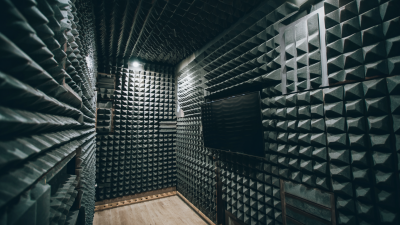
Consider the materials used for sound absorption. Foam panels are common for their lightweight nature. Fabric-wrapped panels combine aesthetic with functionality. Wood acoustics, while often pricier, add a touch of elegance. Research various options to see what suits your taste and budget.
Tip: Always measure your space before purchasing. Each area has its unique acoustics, and improper sizing can lead to wasted investment.
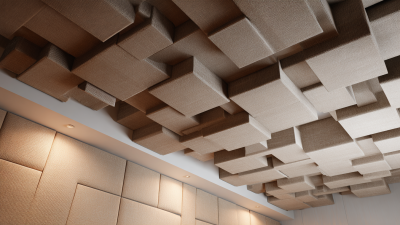
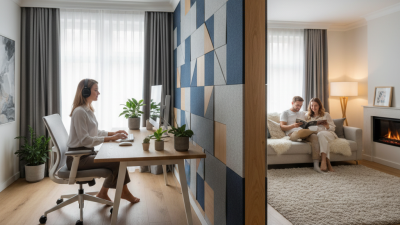
Design plays a vital role. Some panels can act as art pieces, enhancing interior spaces while reducing noise. Evaluate the color and texture for a cohesive look.
Tip: Test different panel placements to find what reduces echo best in your room. Experimentation can yield surprising improvements.




 '
'
