What Is the Best Sound Deadening Material from China?
Choosing the best sound deadening material from China depends on your application, budget, and testing requirements. The cheapest option is rarely the quietest.
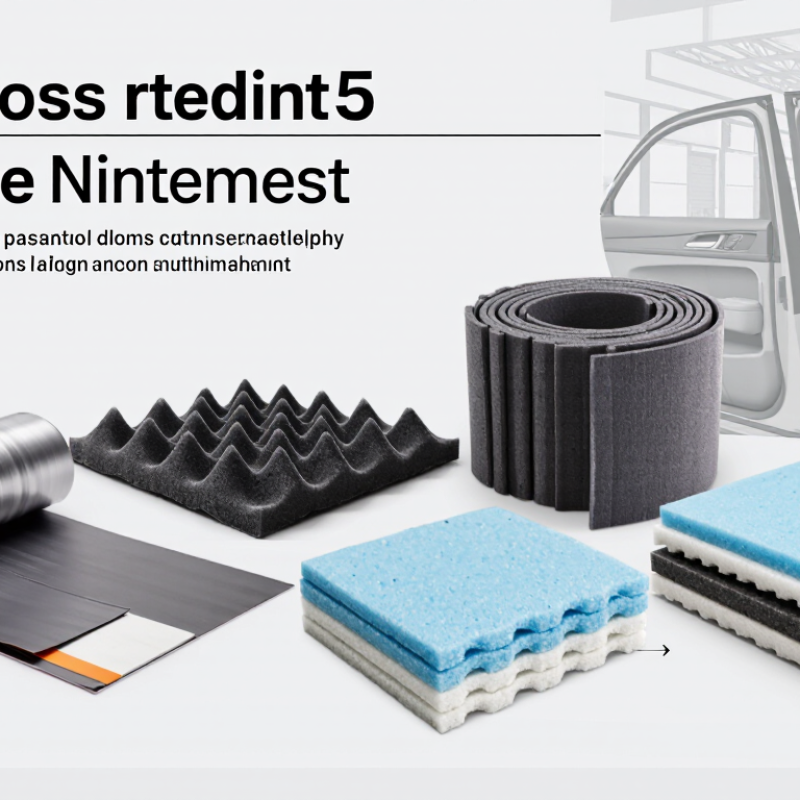
Chinese manufacturers offer butyl rubber sheets, acoustic foam, mass loaded vinyl, polyester fiber panels, and composite barriers. Each material handles sound differently. Some reduce panel vibration, while others absorb airborne noise. The distinction matters.
Picture a car door with a thin metal skin. A poorly bonded sheet may peel during summer heat. In a recording room, foam may reduce echo but fail to block traffic noise. A warehouse wall needs another solution entirely.
This guide compares material performance beyond attractive product photos. It considers thickness, density, adhesion, temperature resistance, moisture behavior, and installation quality. Factory samples can look impressive. Real performance may differ.
Testing matters most.
Reliable suppliers should provide technical data, production details, and relevant test reports. Independent verification remains valuable, especially for fire behavior, VOC emissions, and acoustic ratings. Requirements can vary by country and building application.
The phrase “best” needs caution. No single sound deadening material works perfectly everywhere. A heavier barrier may improve isolation but add unwanted weight. A flexible product may install easily but perform poorly when gaps remain.
A practical evaluation should include a sample installation, not only a laboratory claim. Check seams, edges, odor, surface bonding, and long-term stability. Small flaws become noticeable.
Even careful comparisons have limits. Installation conditions, source frequency, and room structure can change the result. This overview therefore focuses on informed selection, transparent evidence, and realistic expectations when sourcing sound control products from China.
What Makes a Sound Deadening Material Effective?
What Is the Best Sound Deadening Material from China?
What Makes a Sound Deadening Material Effective?
An effective sound deadening material controls vibration, blocks airborne noise, or absorbs reflected sound. These are different jobs. A heavy barrier may reduce engine noise, but it cannot stop a thin metal panel from vibrating. A flexible damping layer can help the panel stay quiet under repeated movement.
In practical installation work, I check four details: mass, flexibility, adhesion, and heat resistance. Butyl rubber sheets with an aluminum facing often perform well on doors, floors, and metal compartments. The rubber converts vibration into small amounts of heat. The facing protects the layer and improves durability. A dense acoustic barrier can add another layer against airborne noise. Porous foam works better for echoes than for direct road noise.
Material thickness matters, but thicker is not always better. I once assumed a heavier sheet would solve everything. It increased weight and made installation difficult, while untreated gaps still carried noise. Coverage matters more than many buyers expect. Small openings around trim, wiring, and panels can weaken the result. Clean surfaces, firm rolling pressure, and stable temperature are essential during installation.
Reliable suppliers should provide density, thickness, temperature limits, test methods, and sample data. Independent testing is useful, although laboratory results may not match a moving vehicle or a factory floor. That difference deserves attention. The best choice depends on the noise source, available space, and installation conditions, not only the material label.
What Is the Best Sound Deadening Material from China?
Typical areal mass at commonly used thicknesses
Material effectiveness depends on application, thickness, coverage, temperature, and installation quality. Higher areal mass generally improves airborne sound isolation, while viscoelastic materials such as butyl rubber help reduce panel vibration through damping. Closed-cell foam is lightweight and mainly helps with decoupling, sealing, and high-frequency absorption rather than blocking sound by mass alone.
Values shown are representative engineering ranges for generic material categories, not data from a specific company or brand.
Which Chinese Materials Are Commonly Used for Sound Deadening?
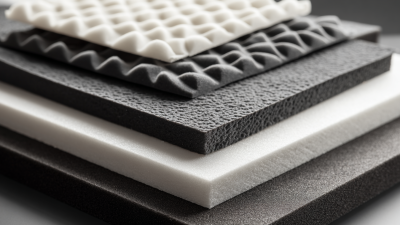
Chinese sound-deadening projects commonly use butyl rubber sheets, closed-cell foam, mass-loaded vinyl, and polyester fiber panels. Butyl rubber works well on vibrating metal surfaces, such as vehicle doors, machine covers, and lightweight wall panels. It adds damping and reduces the sharp sound caused by panel movement. An aluminum facing can improve durability and installation. Closed-cell polyethylene or EPDM foam fills small gaps and reduces high-frequency noise. It helps, but it is not a complete sound barrier.
For walls and ceilings, mass-loaded vinyl is often selected because its dense structure blocks airborne sound. Polyester fiber panels absorb reflections in offices, studios, and meeting rooms. Mineral wool is also widely used inside wall cavities, where it can reduce speech and equipment noise. It requires suitable protective installation. Material density matters, yet thickness, sealing, and structural design matter just as much. A heavy product cannot fix an open gap.
Numbers can mislead. During material checks, I would review laboratory test methods, temperature resistance, adhesive strength, fire performance, and possible odor. Chinese suppliers may offer similar-looking sheets with very different densities and performance. I have seen thin foam marketed too confidently as full soundproofing. That is an easy mistake. A practical choice should match the noise source, installation space, climate, and safety requirements. Small test panels are worth making before a large order.
How Do Chinese Sound Deadening Materials Compare?
Chinese sound deadening materials vary widely in structure, density, and quality control.
In practical vehicle and machinery projects, I compare them by function rather than price.
Butyl-based sheets reduce panel vibration, while closed-cell foam mainly limits air gaps and trim noise.
Heavy barriers help block airborne sound, yet they add weight and need secure fixing.
The best material depends on the noise source, available space, temperature, and installation surface.
There is no universal winner.
Results can differ.
Many Chinese suppliers now provide laboratory data, thickness tolerances, adhesive ratings, and test samples.
Reliable evaluation should include loss factor, peel strength, odor, heat resistance, and moisture behavior.
Ask for independent reports when project risk is high.
Factory claims alone are not enough.
In my experience, sample performance can change after storage or during hot installation.
This is easy to overlook.
Some economical materials perform surprisingly well in doors, cabinets, and equipment enclosures.
Others feel impressive but soften too quickly under heat.
Chinese materials often compete strongly through customization and production flexibility.
Buyers can request different thicknesses, die-cut shapes, surface films, or adhesive systems.
That flexibility can reduce waste and simplify installation.
However, quality consistency remains the point I would inspect most carefully.
One batch may install smoothly, while another needs more rolling pressure.
I would test a small area, measure noise before and after installation, and inspect adhesion after temperature cycling.
Do not judge only by hand feel.
Real conditions matter.
How to Choose the Best Material for Different Applications?
What Is the Best Sound Deadening Material from China?
The best material depends on the noise, surface, temperature, and installation space. For vehicle doors, butyl damping sheets work well on thin metal panels. They reduce vibration and should have strong adhesion in heat and humidity. A 2 mm sheet may suit doors, while thicker layers can add unnecessary weight.
Engine compartments require heat-resistant materials with stable performance. For road noise, closed-cell foam can fill small gaps and reduce high-frequency sound. It is not a complete barrier, however. Mass-loaded vinyl usually performs better when blocking airborne noise through floors, walls, or machine enclosures. Check its density, flexibility, and odor before ordering.
Industrial rooms and HVAC systems need different choices. Fire rating, moisture resistance, and temperature limits matter more than appearance. Ask suppliers for test reports, technical data sheets, sample pieces, and batch information. Test the sample on a real panel, not only on a clean laboratory surface. Press it firmly, then inspect adhesion after several hot and cold cycles.
Some products look thick but contain little effective mass. That mistake can waste both space and money. I have also found that installation quality changes results dramatically. Dust, trapped air, and poorly sealed edges can weaken an otherwise capable material. A careful trial is still necessary, because the cheapest specification may not be the most reliable choice.
What Quality Standards Should Buyers Check in China?
What Is the Best Sound Deadening Material from China?
What Quality Standards Should Buyers Check in China?
The best sound deadening material depends on the noise source, installation area, temperature, and required fire performance. Buyers should not judge quality by weight or appearance alone. A dense sheet may reduce vibration, while porous foam mainly absorbs airborne sound. These are different functions.
Ask suppliers for test reports covering sound absorption and sound transmission loss. ISO 354, ASTM C423, and ISO 10140 are useful references for laboratory testing. Check the tested thickness, density, mounting method, and frequency range. Results can change significantly when these conditions change. Request fire testing under relevant standards, such as EN 13501-1 or ASTM E84. Also review volatile organic compound emissions, odor, moisture resistance, and temperature stability.
Details matter.
Quality control should include thickness tolerance, density consistency, adhesive strength, and surface defects. Request a certificate of analysis for each production batch. Confirm that samples match the final mass production material. A factory audit can reveal weak storage practices, mixed batches, or incomplete traceability. Independent inspection before shipment adds useful protection, but it cannot replace clear specifications. I would also test a small installed area, because laboratory results may not reflect doors, vehicle panels, or irregular surfaces. This step costs time. It can prevent an expensive mistake. Shorter delivery is not always better. Reliable documentation, repeatable performance, and honest limitations matter more than impressive claims.




 '
