7 Cardboard Sheets Buying Tips for Global Buyers

Buying Cardboard Sheets across borders requires more than comparing prices on a supplier website. Buyers must examine sheet strength, thickness, moisture resistance, surface finish, and cutting accuracy. A low-cost sheet may become expensive after crushing, warping, or rejected shipments. Packaging researcher Dr. Susan Selke offers a practical reminder: “Protection comes before presentation.” That principle remains useful when selecting materials for boxes, displays, dividers, and protective packaging.

This guide presents seven buying tips for global purchasers. It explains how to compare GSM, caliper, flute structure, recycled content, and supplier consistency. Ask for current samples. Test them under realistic conditions. Place a sheet near a humid warehouse, stack it beneath loaded cartons, and inspect the edges after handling. Small details matter. Confirm sheet dimensions, tolerances, packing methods, and container loading plans before ordering. Request production photos or an inspection report when possible. Certifications can support responsible sourcing, but they should be verified rather than accepted blindly. Prices also need careful review. Include tooling, inland transport, port charges, insurance, duties, storage, and possible waste. The cheapest quotation is not always the best value. Not every supplier will provide clear answers. That is a warning sign. Buyers should also consider lead times, minimum order quantities, replacement procedures, and communication speed. A perfect checklist does not exist. I have seen specifications look excellent on paper, yet fail during humid-season delivery. Real testing still matters. With disciplined comparison and honest questions, global buyers can choose Cardboard Sheets that perform reliably, arrive safely, and fit their actual packaging needs.
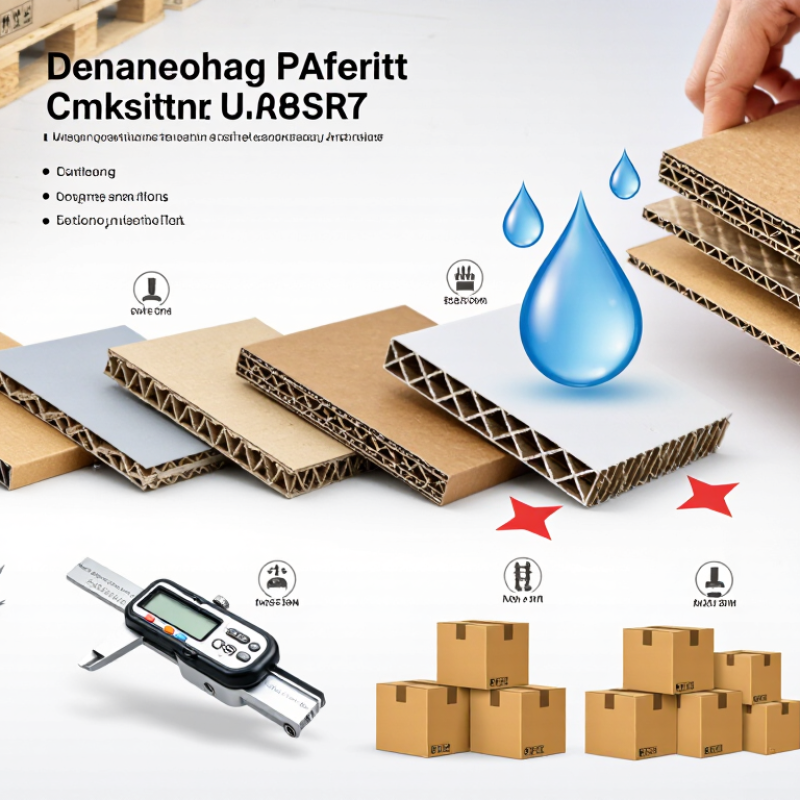
7 Cardboard Sheets Buying Tips for Global Buyers

Define the Intended Use and Required Cardboard Sheet Properties

Define the intended use before comparing cardboard sheet prices. A sheet for retail cartons needs clean printability and accurate folding. A separator sheet needs stiffness, flatness, and resistance to edge damage. For humid warehouses, specify moisture resistance and a controlled Cobb value. Otherwise, a low-cost sheet may warp beside an open loading bay.

Match properties to measurable risks. Record basis weight, caliper, bursting strength, and edge crush performance. Ask suppliers to state test methods, tolerances, and conditioning time. The FAO Global Forest Products Facts and Figures 2022 reported about 417 million tonnes of global paper and paperboard production. That scale creates wide quality variation between mills and regions. Thicker is not always stronger. Fibre structure matters more than appearance.

Packaging demand also changes material availability. CEPI’s 2023 preliminary statistics placed European paper and board production near 79.5 million tonnes, after a significant annual decline. Buyers should therefore confirm recycled content, fibre origin, and delivery consistency before approval. Samples can look perfect. Production batches may not. Test sheets after stacking, die-cutting, and exposure to realistic humidity. A useful specification includes dimensions, moisture limits, surface finish, and acceptable defects. It should also define what happens when results fall outside tolerance. Many purchasing documents miss that detail.

Choose the Right Cardboard Type, Grade, and Thickness

Choosing cardboard for international shipments requires more than comparing sheet prices. Start with the material type. Corrugated board suits boxes and protective inserts, while solid board works better for folding cartons and smooth printed surfaces. Flute profiles also matter. A single-wall sheet saves space, but double-wall board handles heavier loads and rougher transport.

Grade should match the product’s weight, shape, and route. Check basis weight in grams per square metre, then review edge crush test or burst strength results. ISO 536 defines paper and board grammage, while ISO 3037 supports edge crush testing for corrugated fibreboard. Thickness alone can mislead. A thicker sheet may compress easily if its fibres are weak. The Fibre Box Association notes that box performance depends on board construction, not only caliper. Test the finished box, not just loose sheets.

Tip: Request samples in the exact grade and thickness. Run compression tests, stacking trials, and moisture exposure checks. The right answer may change between a dry warehouse and a humid port.

FAO forestry statistics report global paper and paperboard production above 400 million tonnes annually, showing the scale of this supply chain. CEPI industry data also reports European paper recycling rates above 80 percent, although collection quality varies by market. Recycled content can reduce virgin fibre demand, but it may lower stiffness in some grades. This is where buyers need humility. A cheaper sheet can create higher damage costs. Specify tolerances, moisture limits, test methods, and acceptable variation before signing a global order.

7 Cardboard Sheets Buying Tips for Global Buyers - Choose the Right Cardboard Type, Grade, and Thickness

Buying Tip Cardboard Type Typical Grade / Specification Typical Thickness Typical Basis Weight Best-Fit Applications What Global Buyers Should Check
1 Choose paperboard for folding cartons Solid bleached sulfate (SBS), coated one side or two sides 0.35–0.75 mm 250–500 g/m² Retail cartons, food packaging, cosmetic boxes, pharmaceutical cartons Confirm coating side, printability, folding performance, food-contact suitability, and the applicable regulatory requirements.
2 Select kraft paperboard for a natural appearance Unbleached kraft paperboard or coated kraft-back board 0.40–1.00 mm 300–650 g/m² E-commerce packaging, takeaway boxes, sleeves, dry-food cartons Check fiber color, surface smoothness, recycled content, odor, moisture resistance, and whether high-resolution printing is required.
3 Use corrugated board when protection matters Single-wall board: E, B, or C flute; double-wall board: BC flute 1.2–7.0 mm Approx. 300–1,100 g/m² Shipping cartons, appliance packaging, export cases, protective inserts Specify flute profile, edge crush test (ECT) or box compression test (BCT), stacking height, and transport conditions.
4 Match grade to load and handling conditions Light-duty, medium-duty, or heavy-duty corrugated grades 1.2–7.0 mm Varies by liner and medium combination Select the grade according to product weight, box dimensions, stacking, vibration, and drop risk. Do not use basis weight alone; request compression, puncture, bursting, and moisture-performance data where relevant.
5 Choose thickness based on converting requirements Folding carton board, chipboard, or laminated board 0.30–1.50 mm 200–1,000 g/m² Rigid boxes, dividers, book covers, displays, backing cards Verify caliper tolerance, die-cutting, creasing, scoring, gluing, and compatibility with the buyer’s machinery.
6 Consider recycled board for cost and sustainability goals White-lined chipboard, recycled folding boxboard, or recycled corrugated board 0.45–1.20 mm 300–800 g/m² Secondary packaging, household products, inserts, non-food retail packaging Check recycled-fiber percentage, surface cleanliness, stiffness, odor, print shade, and destination-market recycling rules.
7 Specify moisture and export-performance requirements Wet-strength paperboard, coated board, or moisture-resistant corrugated board 0.40–7.00 mm 300–1,100 g/m² Cold-chain packaging, humid climates, sea freight, warehouse storage Request Cobb water-absorption results, humidity conditioning data, coating details, pallet protection, and packaging for long-distance transit.

Note: Thickness and basis-weight ranges are typical commercial values and vary by construction, fiber composition, coating, moisture content, and applicable test standards. Confirm final specifications with pre-production samples and test reports.

Check Sheet Dimensions, Weight, and Packaging Requirements

When buying cardboard sheets across borders, I measure more than the advertised length and width. A 1220 x 2440 mm sheet may arrive with a few millimeters of variation. That difference can affect cutting plans and nesting efficiency. Ask for the usable size, not only the nominal size. Confirm thickness, grammage, and acceptable tolerances in writing. I once approved sheets after checking dimensions but ignored corner squareness. The sheets fit the pallet, yet some edges needed trimming.

Weight deserves the same attention. Request both grammage per square meter and the estimated weight per sheet. These figures help calculate freight, handling limits, and storage loads. A heavier grade may protect products better, but it can raise shipping costs quickly. Moisture can also change weight and stiffness during ocean transport. Use sealed packaging with corner protection, stretch film, and moisture-resistant liners where conditions demand it. Do not assume a wrapped pallet is waterproof.

Packaging instructions should match the receiving warehouse. State pallet dimensions, maximum stack height, sheet orientation, and lifting access. Add clear labels for quantity, batch reference, dimensions, and gross weight. Check whether the destination can unload the chosen pallet safely. A small sample shipment can reveal crushed corners, shifting stacks, or inaccurate counts. It costs more upfront. It may prevent a larger mistake. Recheck the specification after the trial, because my original checklist was too narrow.

Evaluate Supplier Quality, Certifications, and Production Capacity

For global buyers, cardboard sheet quality starts with measurable consistency, not attractive samples. Check basis weight, thickness, moisture, and edge crush strength. ISO 536 supports basis-weight testing, while ISO 287 covers moisture measurement. Ask suppliers to provide recent laboratory records, not only a specification sheet. A certificate is not proof of every shipment.

Production capacity also needs practical verification. FAO’s 2022 forestry statistics recorded global paper and paperboard production above 400 million tonnes, showing the scale of this supply chain. Yet large capacity may hide weak quality control. Request monthly output, machine widths, shift schedules, and backup plans for pulp or recycled fiber shortages. Ask for a live factory video or independent audit. Small details matter, such as wrapped pallets, dry storage, and corner protection during loading.

Certifications can improve reliability when their scope is clear. ISO 9001 indicates a documented quality system, while ISO 14001 addresses environmental management. FSC or PEFC chain-of-custody documents can support responsible fiber sourcing. Verify the certificate number, covered site, and expiration date through the issuing body. I would not trust a polished PDF alone. A missed moisture check can still cause warping. Buyers should also order a pilot batch and compare test results across several deliveries. That extra step feels slow, but it often exposes production variation before a full container is booked.

7 Cardboard Sheets Buying Tips for Global Buyers

A practical review framework for evaluating supplier quality, certifications, and production capacity.

The review weights total 100% and prioritize consistent product quality, reliable capacity, traceability, and compliance documentation. Buyers should verify test reports, certificates, sampling procedures, production lead times, and quality-control records before placing a large order.

Compare Total Costs, Shipping Terms, and Import Responsibilities

7 Cardboard Sheets Buying Tips for Global Buyers

The sheet price rarely shows the real cost. Calculate product value, export packing, inland transport, ocean freight, insurance, duties, brokerage, and destination delivery. UNCTAD’s Review of Maritime Transport 2023 states that ships carry over 80% of global merchandise trade by volume. Freight delays can therefore affect both cash flow and production schedules. World Bank’s Logistics Performance Index 2023 also highlights customs, infrastructure, and shipment reliability as major logistics factors. Ask for a landed-cost quotation, not only a factory quotation. Small gaps become expensive.

Tip: Compare identical sheet specifications. Check thickness, moisture resistance, compression strength, sheet size, pallet count, and gross weight. A cheaper sheet may need stronger packaging or create more waste during cutting. Request recent test data and a packing list. I have seen buyers overlook pallet height, then pay for unused container space. That mistake is easy to repeat.

Review Incoterms carefully. Under EXW, the buyer usually manages export collection and more transport steps. FCA can provide clearer export handover. Under DDP, the seller generally manages delivery and import responsibilities, but local tax treatment should be verified. ICC’s Incoterms 2020 rules clarify cost, risk, and responsibility allocation, but they do not replace customs advice. Compare at least two shipping routes and include demurrage, storage, currency movement, and inspection charges. Delivery terms look simple. They are not.

'