Choosing the best China Nail Polish Nails wholesale supplier requires more than comparing prices. Product quality, communication, documentation, and delivery consistency all matter. A low quotation may hide weak brushes, uneven polish, or fragile packaging.
This guide examines practical supplier standards from a buyer’s perspective. It considers factory experience, production capacity, private-label support, and quality-control procedures. Reliable suppliers should provide clear ingredient information, product specifications, safety documents, and suitable compliance support for the target market. Their claims should be verified, not accepted because of attractive photographs.
Small details often reveal real manufacturing ability. Check whether the brush spreads polish evenly across a sample nail. Inspect the bottle neck for dried residue after repeated opening. Review batch records, color cards, packaging tests, and replacement policies. Ask how the supplier manages damaged cartons during transport. A professional team should answer directly and provide traceable evidence.
No supplier is perfect. Even a strong factory may experience color differences between batches or delays during peak seasons. My own evaluation can also miss problems without repeat orders and independent testing. That is why this article compares suppliers through samples, factory communication, quality records, and long-term reliability. The goal is not to promote the cheapest option. It is to help wholesalers identify a capable partner for safe, consistent, and commercially practical Nail Polish Nails.
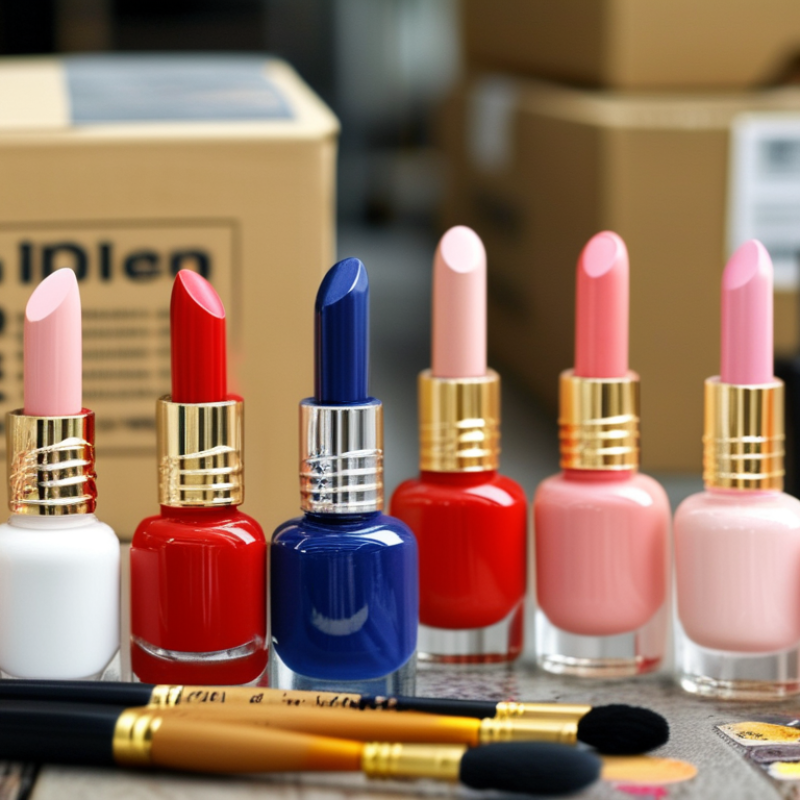
China Best Nail Polish Nails Wholesale Supplier?
What Defines a Reliable China Nail Polish Wholesale Supplier?
A reliable supplier offers more than attractive color charts and low quotations. Grand View Research valued the global nail polish market at approximately USD 14.3 billion in 2023. It also projects steady growth through 2030. This demand increases pressure on factories, packaging teams, and quality inspectors. Buyers should request business licenses, production capacity, ingredient specifications, and recent laboratory reports. A professional supplier should explain batch control clearly. They should also provide samples from actual production, not only showroom bottles.
Quality evidence matters. Ask for viscosity, drying-time, stability, and microbial test results. Request the manufacturing date and batch number. ISO 22716-based cosmetic good manufacturing practices can indicate stronger process discipline. However, certification alone is not proof of daily consistency. A clean audit may miss a weak shift or rushed shipment. That is an uncomfortable gap. Independent pre-shipment inspection can check bottle filling, brush alignment, label accuracy, leakage, and carton strength. These details affect returns and customer trust.
Tips: Compare three suppliers using the same checklist. Test samples after heat, cold, and several weeks of storage. Confirm minimum order quantities, lead times, color matching, and replacement terms in writing. Ask whether formulas can meet the destination market’s cosmetic requirements. Keep communication records. Small misunderstandings become expensive quickly. A dependable supplier answers specific questions, shares traceable documents, and accepts reasonable quality checks without defensiveness.
China Best Nail Polish Nails Wholesale Supplier?
A dependable supplier should prove quality with samples, not only polished catalog photos. Check the polish on clean nail tips and natural nails. Observe coverage after one and two coats. A smooth film should dry evenly without heavy dragging, shrinking, or sudden dull patches. The brush should spread product without loose bristles. Looks can mislead.
Ask for batch numbers, ingredient information, safety data, and quality inspection records. Confirm that labels match the actual formula and packaging. Restricted substances, allergens, and required warnings must be reviewed according to your selling market. Do not rely on smell alone. A strong odor does not prove poor quality, while a mild odor does not guarantee safety. Evaluate drying time, adhesion, color stability, and leakage after transport. Keep dated sample photos and written test notes. Small details matter.
Product range also needs practical evaluation. A useful wholesale selection may include sheer shades, cream colors, glitter finishes, base coats, and top coats. Check whether every shade has similar viscosity and brush performance. Ask about minimum order quantities, private labeling options, replenishment time, and formula consistency between batches. During sample reviews, one shade may perform beautifully while another separates quickly. That weakness should be recorded, not ignored. A supplier’s response to criticism often reveals more than its first quotation.
A reliable nail polish supplier should offer more than ready-made colors. Customization usually begins with shade development, finish selection, and formula adjustment. Buyers can request cream, shimmer, glitter, metallic, sheer, or quick-dry options. Color samples should be tested under different lighting conditions. A shade can look warmer on a display card.
Private label services usually cover bottle selection, cap design, brush shape, carton artwork, and label printing. Suppliers may also help prepare ingredient lists, batch codes, usage instructions, and product documentation. Clear communication matters here. Small wording errors can create packaging delays. A careful supplier checks artwork before mass production.
Sample approval should happen before large orders. Ask for several brush samples and test application on natural nails or nail tips. Check drying time, coverage, odor, gloss, and chipping after daily use. Quality control should include shade consistency, filling volume, cap sealing, and carton condition. However, no sample predicts every production result perfectly. That is worth remembering.
A practical supplier should explain minimum order quantities, sampling fees, production schedules, and revision limits in writing. It should also provide traceable batch information and responsive after-sales support. Custom packaging looks impressive, but poor brush performance can damage customer trust. A balanced evaluation protects both your budget and your private label reputation.
Choosing a China-based wholesale supplier for nail polish requires more than comparing the lowest unit price. Pricing often depends on color, bottle size, brush type, formula, labeling, and packaging. A standard 10 ml bottle may cost less than a custom set with printed boxes. Request a detailed quotation. It should separate product cost, packaging, testing, and delivery charges.
Minimum order quantities usually apply to each shade, not only the total order. A supplier may accept 500 pieces overall, but require 100 pieces per color. Ask whether mixed shades are allowed. Samples can reveal brush quality, drying time, color accuracy, and leakage risks. They also expose problems early. Even experienced buyers sometimes underestimate packaging costs and replacement units.
Shipping terms need careful checking. Sea freight usually costs less for large orders, while air freight is faster but more expensive. Confirm whether the quote uses EXW, FOB, or another agreed shipping term. Ask about production time, carton dimensions, customs documents, and destination charges. Duties and local taxes may not be included. A realistic order plan should leave extra time for inspections and port delays. My own assessment would never rely on the supplier’s estimate alone; freight quotes can change, and a cheap order may become expensive after delivery.
Typical wholesale pricing decreases as order volume increases. Small trial orders commonly start at about 24 units, while larger production orders may require 144 units or more. Shipping time depends mainly on the selected service: express delivery is faster but usually costs more than standard air or economical postal shipping. Actual quotations vary by formula, packaging, destination, certifications, and season.
Choosing the best nail polish wholesale supplier requires more than comparing prices. Buyers should request physical samples before placing a large order. Check the brush shape, cap fit, color coverage, drying time, and bottle leakage. Test several units from the same batch. One attractive sample proves very little.
Ask for a complete ingredient list, product specifications, batch information, and safety documents. The supplier should explain how products are tested and stored. Check whether their documents match the cosmetic requirements of your target market. Reliable suppliers usually provide clear production details, quality-control records, and traceable batch codes. Vague answers deserve attention.
Production capacity matters, but consistency matters more. Ask about minimum order quantities, lead times, packaging options, and replacement policies. Request photos or videos of filling and inspection procedures when an on-site visit is impossible. Communication is also a practical test. Do they answer technical questions accurately, or only discuss discounts?
Do not ignore payment terms and shipping protection. A very low quotation may hide weak packaging, unstable color, or delayed delivery. I have seen buyers focus on catalog photos and regret skipping sample testing. No checklist is perfect. Leave room for review after every shipment. A small trial order can reveal more than a polished sales presentation.
| Evaluation Dimension | What Buyers Should Check | Practical Reference Point | Documents or Evidence to Request | Priority |
|---|---|---|---|---|
| Product Compliance | Confirm that the nail polish formula complies with the cosmetic regulations of the destination market. | Requirements differ by market. The European Union, United States, United Kingdom, and other regions may apply different ingredient, labeling, and notification rules. | Current ingredient list, product specification sheet, safety documents, and regulatory compliance statement. | Critical |
| Ingredient Transparency | Check whether the supplier can clearly identify ingredients, restricted substances, allergens, and potential hazardous components. | The ingredient declaration should be consistent across the formula sheet, packaging artwork, safety documentation, and finished product. | Full INCI ingredient list, safety data sheet where applicable, and restricted-substance declaration. | Critical |
| Quality Consistency | Evaluate color accuracy, viscosity, brush performance, drying behavior, coverage, gloss, and resistance to chipping. | Request samples from different production batches and compare them under the same application conditions. | Sample batch records, quality-control checklist, product specifications, and approved reference sample. | High |
| Factory Capability | Verify whether the facility has suitable mixing, filling, capping, labeling, storage, and inspection processes. | The production site should have documented operating procedures, batch traceability, hygiene controls, and equipment suitable for liquid cosmetics. | Factory profile, production photographs or video, audit report, process flow, and manufacturing authorization where required. | High |
| Minimum Order Quantity | Compare the minimum order quantity for standard colors, custom colors, private-label packaging, and new formulas. | A lower MOQ may reduce inventory risk, while larger orders may provide better unit pricing. The actual MOQ should be confirmed in writing. | Formal quotation showing MOQ by SKU, color, packaging option, and customization level. | Medium |
| Private Label and Customization | Assess the supplier's ability to customize colors, bottle shapes, caps, brushes, labels, cartons, and product inserts. | Customization should include color matching, artwork review, packaging compatibility testing, and written approval before mass production. | Customization catalog, artwork template, color approval process, prototype policy, and tooling or mold terms. | Medium |
| Packaging Safety | Check bottle sealing, cap fit, brush alignment, label adhesion, carton strength, and leakage protection during transport. | Packaging should be tested with the actual formula and shipping configuration rather than evaluated only from photographs. | Packaging specifications, drop-test or transport-test records, leakage inspection procedure, and approved packaging sample. | High |
| Testing and Inspection | Determine whether raw materials, in-process products, finished goods, and packaging are inspected against documented standards. | Independent pre-shipment inspection can provide additional assurance, especially for a first order or a customized product. | Inspection plan, batch release record, test reports, certificate of analysis where applicable, and third-party inspection option. | High |
| Lead Time | Compare sample time, artwork approval time, production time, and estimated shipping time. | Lead time should be stated separately for samples, standard products, custom products, and repeat orders because these stages can vary significantly. | Written production schedule, order milestones, holiday schedule, and late-delivery policy. | Medium |
| Pricing and Total Landed Cost | Compare more than the unit price, including samples, molds, packaging, testing, inland transport, freight, duties, and payment fees. | A complete landed-cost comparison is more reliable than comparing product prices alone. | Itemized quotation, shipping terms, payment terms, tooling charges, packaging charges, and validity period. | High |
| Export and Shipping Readiness | Confirm whether the supplier understands the destination country's labeling, documentation, customs, and transport requirements. | Nail polish may contain flammable solvents, so classification, packaging, and transport arrangements should be confirmed before shipment. | Commercial invoice, packing list, transport classification information, export documentation, and shipping method details. | Critical |
| Communication and After-Sales Support | Assess response speed, technical knowledge, sample follow-up, complaint handling, and replacement or refund procedures. | A dependable supplier should provide a clear contact person, written order confirmation, and a documented process for quality claims. | Service policy, claim procedure, response-time commitment, references from previous buyers, and communication records. | Medium |
| Payment and Contract Protection | Review payment security, product specifications, inspection rights, delivery terms, intellectual-property ownership, and dispute procedures. | The contract should define the approved sample, tolerance limits, packaging requirements, delivery schedule, and remedies for nonconforming goods. | Signed sales contract, pro forma invoice, product specification attachment, payment instructions, and quality-claim terms. | Critical |
We now offer custom-made commercial vehicle tarps, along with the ability to design your own curtains, noise panels, and strip doors—tailored to your exact needs!
At Singer Safety, we specialize in manufacturing high-performance tarps engineered to safely secure and protect your vehicle loads during transport.