
China Top Metal Enamel Pin Badge Manufacturer?
Choosing a China Top Metal Enamel Pin Badge Manufacturer requires more than comparing prices. It requires practical knowledge of metal selection, enamel filling, plating, polishing, and quality inspection. A reliable supplier should explain each stage clearly. Look for clean edges, even color fields, secure butterfly clasps, and accurate logo details.
Industry consultant Daniel Wu notes, “A Metal Enamel Pin Badge reveals production quality through its smallest surface.” This observation matters. A tiny color gap can weaken a premium design. Uneven plating can make a polished badge appear unfinished. Strong manufacturers usually provide digital proofs, physical samples, and photographs from different production stages. They should also confirm minimum order quantities, packaging methods, and realistic delivery schedules.
Small details matter.
The best China manufacturer is not always the cheapest option. A lower quotation may exclude mold fees, sample revisions, inspection, or protective packaging. Buyers should ask how defects are recorded and corrected. They should also request evidence of previous projects, clear communication, and consistent material specifications. However, no supplier is perfect. Even experienced factories can misunderstand a thin line, a complex gradient, or a color reference. Careful review remains necessary.
This guide examines manufacturer selection through experience, technical standards, and buyer reliability. It considers design accuracy, production control, communication, and after-sales responsibility. Some claims may deserve closer verification. That is important. A trustworthy Metal Enamel Pin Badge partner should welcome questions, admit limitations, and improve when problems appear.
What Is a Metal Enamel Pin Badge?
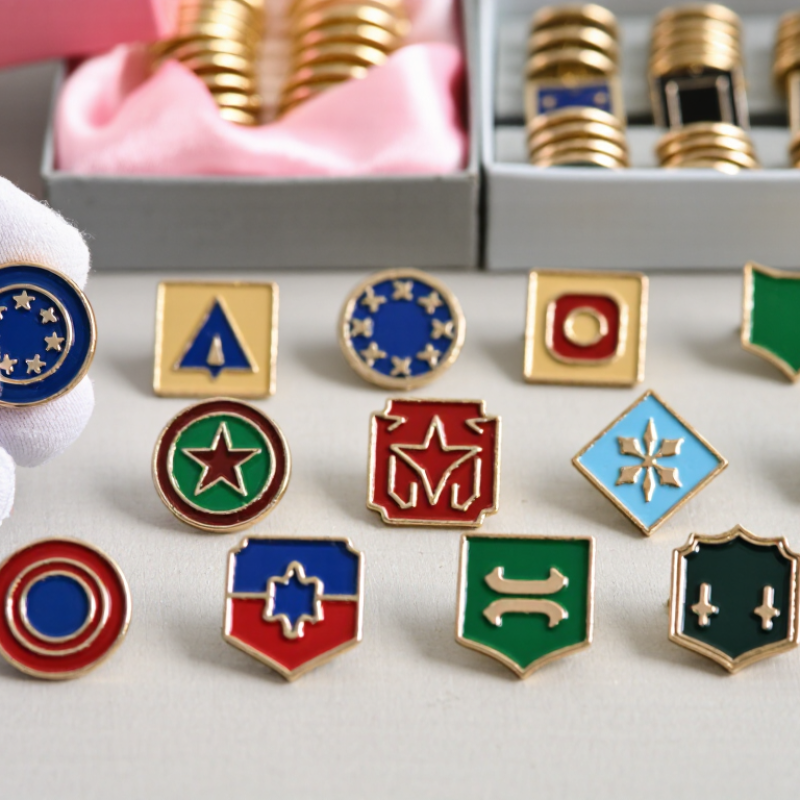
A metal enamel pin badge is a small decorative item made from stamped or molded metal. It usually has raised edges, recessed color areas, and one or more fastening posts on the back. The metal creates the outline, while enamel fills the designed sections like colored glass in tiny compartments. It can be attached to jackets, bags, hats, or display boards.
Hard enamel produces a smooth surface because the color is filled to the same level as the metal border and polished afterward. Soft enamel leaves a slightly recessed texture, which can add depth and a more tactile feel. The choice depends on appearance, budget, and expected use. In practical production, I check line thickness, color consistency, surface scratches, and the security of the backing. Small defects are easy to miss under bright workshop lights.
Details matter greatly. A thin metal line may disappear after polishing, while an overly narrow color area can look uneven. Enamel colors also change slightly between digital artwork and physical samples. This is where careful sampling helps. Not perfect. A reliable manufacturer should explain these limits clearly, confirm dimensions, inspect finished pieces, and use suitable packaging to prevent rubbing during shipment. Clear drawings and measured specifications reduce avoidable mistakes. A badge is small, but its quality is judged closely.
China Top Metal Enamel Pin Badge Manufacturer? - What Is a Metal Enamel Pin Badge?
| Data Dimension | Typical Information | Practical Notes |
|---|---|---|
| Definition | A decorative badge made from a metal base with recessed areas filled with colored enamel. | It can be worn on clothing, bags, hats, uniforms, or displayed as a collectible item. |
| Common Base Metals | Iron, zinc alloy, and copper are commonly used materials. | Material selection affects weight, surface detail, strength, and manufacturing cost. |
| Soft Enamel | Colored enamel sits slightly below the raised metal outlines, creating a textured surface. | It is widely used for colorful designs and generally offers a cost-effective option. |
| Hard Enamel | Enamel is filled level with the metal outlines and polished to produce a smooth surface. | It provides a refined appearance and is suitable for premium-looking badges. |
| Typical Badge Size | Approximately 15–50 mm in the longest dimension for many standard applications. | The required size depends on artwork detail, wearing position, and visibility requirements. |
| Metal Thickness | Common production thicknesses are approximately 0.8–2.0 mm. | Thicker metal usually increases rigidity and weight, while thinner metal can reduce material use. |
| Surface Finishes | Common finishes include polished gold, silver, nickel, black nickel, antique metal, and matte metal. | The finish changes the visible metal color and can be selected to match the artwork. |
| Design Preparation | Vector artwork is generally preferred for outlining, color separation, and production accuracy. | Small text and narrow lines should be checked because very fine details may not reproduce clearly. |
| Main Production Steps | Artwork review, mold preparation, metal forming, plating, enamel filling, polishing, inspection, and attachment assembly. | Process order may vary according to the selected metal, enamel type, and surface finish. |
| Back Attachments | Common options include butterfly clutches, rubber clutches, safety pins, magnetic backs, and locking backs. | Butterfly and rubber clutches are common for everyday wear; locking backs provide additional retention. |
| Color Method | Enamel colors are applied into recessed metal sections and then cured or finished according to the production process. | Color matching should be confirmed with an approved proof because screen colors may differ from finished enamel. |
| Durability Factors | Durability depends on base metal, plating quality, enamel finish, attachment strength, and handling conditions. | Avoiding harsh chemicals, prolonged moisture, and abrasive contact can help preserve the finish. |
| Quality Inspection Points | Check dimensions, outline clarity, enamel filling, color consistency, plating, scratches, pin alignment, and attachment security. | A pre-production proof and a defined tolerance standard help reduce quality disputes. |
| Typical Applications | Promotional merchandise, event souvenirs, membership badges, fashion accessories, employee recognition, and collectibles. | The best specification depends on whether the badge is intended for daily wear, occasional events, or display. |
 '
'
