How to Choose the Best Futsal Field for Your Needs?
Choosing the right Futsal Field is crucial for players and organizers. According to a report by the International Futsal Federation, the sport has grown by over 30% in participation in the last decade. This surge emphasizes the importance of selecting an appropriate field that meets specific needs.
A Futsal Field is not just a place to play; it affects gameplay quality and player development. Fields differ in size, surface type, and location. For a high-level experience, choosing a field with a hardwood or artificial turf surface is recommended. Reports indicate that performance can improve by 15% on optimal surfaces.
It's essential to consider factors like accessibility and equipment availability. Many aspiring clubs overlook these aspects. The right environment can foster skill development and attract more players. However, not all fields meet these criteria. Evaluating multiple options can prevent frustration later. Balancing quality with budget constraints can be challenging. Yet, careful consideration will lead to better outcomes.
Understanding Futsal Field Dimensions and Specifications
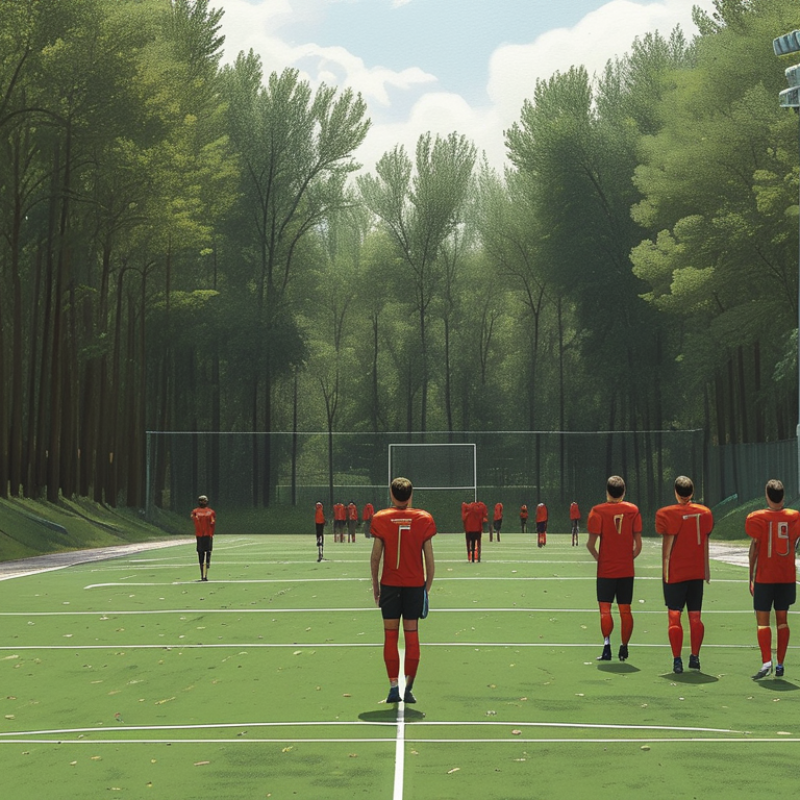
When choosing a futsal field, understanding its dimensions is crucial. Futsal courts vary significantly in size. Official regulations specify a length between 25 to 42 meters and a width from 16 to 25 meters. These dimensions can impact gameplay. A larger field allows for more extensive strategies. A smaller field might speed up the game but could limit player movement.
Field materials also matter. The playing surface should provide good traction. Common options include wood, artificial turf, and synthetic materials. Each surface type has pros and cons. Wooden floors are smooth and offer control. Artificial turf is more durable and weather-resistant. However, choose the surface based on your climate and usage frequency.
Consider the importance of markings on the field. Clear lines for boundaries, penalty areas, and goals are essential. Misaligned markings can lead to confusion during gameplay. Additionally, lighting quality can affect visibility. An adequately lit field enhances player performance. Take time to assess the field's overall condition. Not all fields offer ideal playing environments. Evaluating these details ensures a better futsal experience.
Evaluating the Surface Material of Futsal Fields
When selecting a futsal field, evaluating the surface material is crucial. Various types of surfaces affect gameplay differently. Most common options include synthetic turf and hardwood. Each has distinct pros and cons that can influence players' performance.
Synthetic turf surfaces provide consistent play. They are weather-resistant, requiring minimal maintenance. According to a report from the Sport Facility Management Association, fields with synthetic surfaces witnessed a decrease in injury rates by nearly 25%. However, some players feel synthetic turf lacks the same feel as natural surfaces. In warmer conditions, turf can become uncomfortably hot, sometimes affecting gameplay quality.
Hardwood floors, the traditional choice for indoor futsal, offer a different experience. They are praised for their bounce and grip. However, hardwood needs regular maintenance to remain in optimal condition. A study in the Journal of Sports Science highlighted that hardwood surfaces can lead to more significant player fatigue compared to turf. Thus, choosing the best surface involves weighing these factors against your playing needs and local climate.
How to Choose the Best Futsal Field for Your Needs? - Evaluating the Surface Material of Futsal Fields
| Surface Material | Durability | Maintenance | Player Comfort | Cost per Square Meter |
| Artificial Turf | High | Moderate | High | $30 - $50 |
| Wood | Moderate | High | Very High | $50 - $80 |
| PVC | Moderate | Low | Moderate | $20 - $40 |
| Rubber | High | Moderate | High | $25 - $45 |
| Natural Grass | Low | High | Very High | $10 - $20 |
Selecting a Location Based on Accessibility and Amenities
When selecting a futsal field, location plays a crucial role. Accessibility can determine the frequency of your visits. A field situated near public transport is ideal. Studies show that almost 70% of players prefer locations that are easily reachable. Fields in urban areas tend to attract larger crowds.
Amenities also significantly enhance the futsal experience. Fields with good lighting and maintenance often see higher user satisfaction. Reports indicate that well-equipped facilities lead to a 40% increase in participation rates. Toilets, seating areas, and parking must also factor into your decision. Some sites may lack basic amenities, which can turn players away.
Consider trial visits to potential venues. This can reveal their condition and accessibility firsthand. Pay attention to user reviews and community feedback. Not every popular location guarantees a great experience. Check how often the fields are used. High usage rates can lead to wear and tear, impacting your game quality.
Assessing Indoor vs Outdoor Futsal Field Options
When choosing between indoor and outdoor futsal fields, several factors come into play. Indoor fields offer consistent conditions. You won't be hindered by weather changes. This ensures a stable game environment. Players can focus on their skills without worrying about rain or extreme heat. The surface in indoor venues is usually better-maintained, providing a reliable playing experience.
On the flip side, outdoor futsal fields can present their own charm. The fresh air and natural light enhance the game. However, outdoor surfaces can vary significantly. Some may be rough and uneven, which affects playability. Rain can make outdoor fields muddy and unplayable, disrupting scheduled matches. It’s crucial to weigh these pros and cons based on personal preference and available facilities. A location that balances accessibility and quality is ideal for consistent training and matches. Consider your team's needs before making a decision.
Considering Additional Features and Facilities for Players
When considering a futsal field, players should not only focus on the size. Additional features can significantly impact the overall experience. Quality lighting is essential for evening matches. It reduces shadows and enhances visibility. Next, consider seating arrangements for spectators. Comfortable viewing areas can make a big difference during tournaments.
Another feature to think about is the field surface. Outdoor surfaces can differ considerably from indoor ones. Indoor fields often provide better control of the ball. Make sure the flooring is appropriate for futsal to prevent injuries. Pay attention to the availability of changing rooms and rest areas. These facilities make the experience more enjoyable for everyone involved.
Safety should also be a priority. Look for fields that have proper padding around walls and other hard surfaces. This can prevent injuries during intense games. If amenities seem lacking, it can affect the players' focus. Reflect on how these elements impact your choice. Choose a futsal field that aligns well with your team's needs for the best experience.

 '
'
