Why Choose Food Foil Roll for Your Packaging Needs?
Choosing the right packaging for food products is crucial. It determines freshness, shelf life, and safety. Among the various options available, the Food Foil Roll stands out in many ways. This packaging solution not only protects food from external elements but also enhances its presentation. Food Foil Roll is lightweight yet durable, making it an ideal choice for both businesses and home use.
When it comes to food packaging, quality matters. Food Foil Roll provides a barrier against moisture, light, and air. This ensures that food stays fresh longer. Additionally, it is versatile, suitable for wrapping, baking, and even serving. Users often appreciate how easy it is to handle and store. However, some may overlook the importance of selecting the right thickness. Thinner rolls may tear easily, while thicker ones may be more cumbersome.
The appeal of a Food Foil Roll lies in its effectiveness and convenience. It's a staple in many kitchens and restaurants. Yet, this packaging solution is sometimes underutilized. Many people might not fully understand its potential benefits. By exploring these aspects, we can better appreciate why Food Foil Roll should be a top choice for packaging food products.
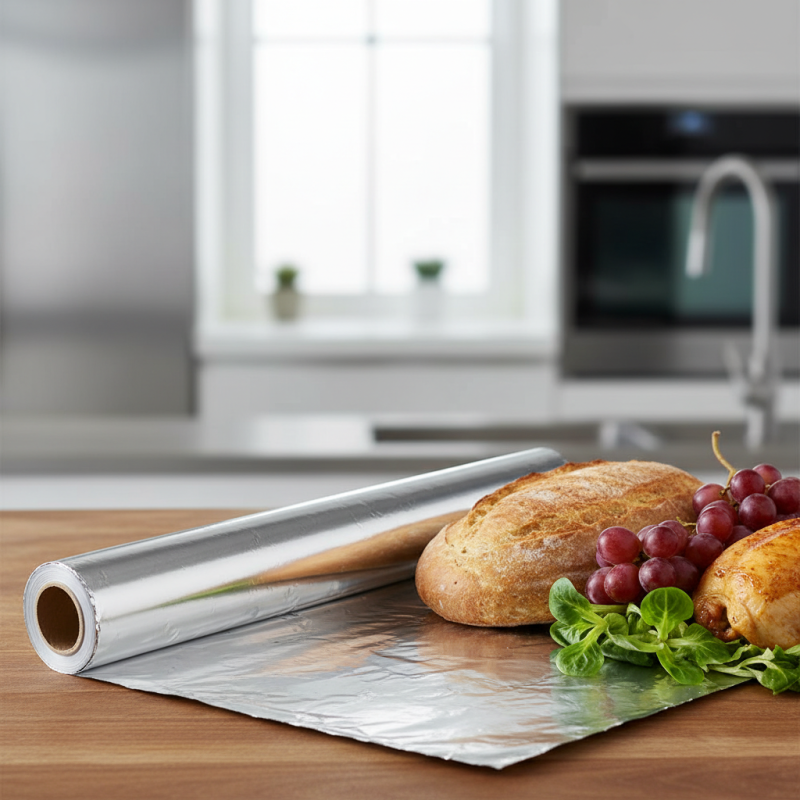
Advantages of Using Food Foil Rolls in Packaging
When considering packaging solutions, food foil rolls present numerous advantages. These rolls offer effective barrier protection, keeping food fresh and safe. The aluminum material naturally resists moisture, light, and oxygen. This feature significantly extends the shelf life of products, ensuring they maintain their taste and quality.
The versatility of food foil rolls is impressive. They can be easily molded to different shapes and sizes, accommodating various food items. From wrapping leftovers to packaging meals for delivery, the adaptability is a key benefit. Additionally, food foil rolls can withstand high temperatures, making them suitable for baking or cooking. This property allows for hassle-free meal preparation while preserving flavors.
Cost-effectiveness is another crucial aspect. Using food foil rolls can reduce waste compared to bulky packaging options. However, there are challenges, like ensuring proper sealing to prevent leaks. Not all users master this technique right away. It can take time to achieve efficiency. Experimentation and practice are necessary to maximize the benefits of food foil packaging.
Types of Food Foil Rolls Available for Packaging
When considering food packaging, food foil rolls are a versatile choice. They offer various types to meet diverse needs. A popular option is Aluminum Foil Rolls. They are excellent for keeping food fresh. Aluminum foil also resists moisture and light, ensuring product integrity.
Another type is food-safe paper foil. This roll is often used for wrapping sandwiches and pastries. It provides a strong barrier while being eco-friendly. Wax-coated foil rolls are also available, perfect for greasy foods. They protect against oil and moisture while maintaining food quality.
Tips: Ensure you choose the right thickness for your food items. Thicker foil provides better insulation. However, thinner options can be more flexible for wrapping. Always store your foil rolls in a cool, dry place to extend their shelf life. Remember that not all foil is created equal; consider the source and material for safety.
Environmental Impact of Food Foil Rolls Compared to Alternatives
When considering packaging options, the environmental impact of food foil rolls is significant. Food foil, commonly made from aluminum, is highly recyclable. Studies show that aluminum can be recycled indefinitely without losing quality. In fact, the recycling process saves about 95% of the energy required to produce new aluminum. This starkly contrasts with plastic alternatives, which can take hundreds of years to decompose, often ending up in landfills or oceans.
However, the production of aluminum does have its downsides. Mining bauxite, the primary source of aluminum, has notable environmental consequences. Deforestation and habitat destruction are common issues in mining regions. It underscores the importance of choosing locally sourced aluminum whenever possible. This can mitigate some ecological impacts, promoting sustainability efforts.
**Tips:** When selecting food foil rolls, look for those with high recycled content. Always check if the foil is certified as recyclable in your area. Educate your team about proper disposal practices to maximize recycling efforts. Being attentive to these details can create a positive ripple effect in your packaging choices.
Environmental Impact of Food Foil Rolls Compared to Alternatives
Best Practices for Using Food Foil Rolls in Food Packaging
When it comes to food packaging, using food foil rolls is increasingly recognized for its numerous benefits. Research shows that aluminum foil can reduce food spoilage by up to 25%, showcasing its effectiveness in preserving freshness. This is particularly crucial for businesses aiming to minimize waste while maximizing product life.
It is essential to optimize the use of food foil rolls. Cutting the foil to size helps minimize excess material and costs. According to industry studies, improper use can lead to increased waste, often exceeding 15% of total foil used. Additionally, layering different foil types can enhance insulation and protection for items sensitive to moisture.
However, there are challenges in sourcing quality foil rolls. Low-quality rolls may not offer the same barrier properties. This can lead to compromised food safety. Quality assurance measures are vital in ensuring adherence to safety standards. Ensuring your supplier meets industry certifications can mitigate risks associated with packaging failures.
Cost-Effectiveness of Food Foil Rolls for Packaging Solutions
Food foil rolls are becoming a preferred choice for packaging in various industries. Their cost-effectiveness stands out, especially in the food sector. According to a recent market analysis by Grand View Research, the global aluminum foil market is expected to reach $42.5 billion by 2028. This growth highlights the increasing demand for reliable and budget-friendly packaging solutions.
The efficiency of food foil rolls stems from their lightweight nature and excellent barrier properties. They protect food items from moisture, light, and oxygen, extending shelf life. A report from the European Aluminium Foil Association states that aluminum foil can reduce food waste by up to 50%. By minimizing spoilage, companies can save significantly on both raw materials and disposal costs.
Despite these advantages, there are challenges. Not all food foil options are created equal. Some may not provide adequate protection for specific food types. Packaging experts recommend testing different materials for optimal results. By doing so, businesses can find the best fit for their products and maximize cost-effectiveness in the long run. Selecting the right food foil roll can be an iterative process requiring reflection and adjustment.
Why Choose Food Foil Roll for Your Packaging Needs? - Cost-Effectiveness of Food Foil Rolls for Packaging Solutions
| Aspect | Description | Cost-Effectiveness |
| Material Quality | Made from high-grade aluminum, ensuring durability and protection. | Reduces product spoilage, thereby lowering waste costs. |
| Versatility | Suitable for various food types, hot or cold. | Eliminates the need for different types of packaging, saving money. |
| Lightweight | Easier to handle and transport. | Lower shipping costs due to reduced weight. |
| Safety | Chemical-resistant and safe for food use. | Minimizes the risk of food contamination, protecting your investment. |
| Eco-Friendliness | Recyclable material contributes to sustainability. | Potential for cost savings through recycling programs. |

 '
'
