How to Choose Heavy Duty Sliding and Folding Doors for Your Needs?
Selecting the right doors for your space can be a challenging task. Heavy-Duty Sliding & Folding Doors stand out for their durability and functionality. These doors are perfect for both residential and commercial applications. They offer flexibility, allowing you to maximize your space effectively.
When considering Heavy-Duty Sliding & Folding Doors, think about your specific needs. Consider factors like size, material, and design. Durability is essential, especially in high-traffic areas. Look for doors that can withstand regular use without compromising on style.
Reflect on the aesthetics and how they fit into your environment. The selection process is not just about functionality. It’s also about creating a welcoming space. Invest time in researching options. A well-chosen door can enhance your space and provide long-lasting value.
Understanding Heavy Duty Sliding and Folding Doors: An Overview
Heavy duty sliding and folding doors are increasingly popular in both residential and commercial settings. These doors are designed for durability and can handle high traffic areas. According to a recent industry report, the global market for sliding doors is projected to grow by 5.6% annually, reflecting their rising demand. This growth is driven by their space-saving benefits and aesthetic appeal.
When choosing heavy duty options, consider materials carefully. Aluminum and fiberglass are often recommended for their strength and resilience. However, many overlook that not all doors meet the same security and insulation standards. It’s critical to assess each product’s certifications. Reports indicate that well-constructed doors can improve energy efficiency by up to 15%. Investing in quality will yield long-term benefits, but finding that balance can sometimes be challenging.
Installation also plays a vital role in the performance of these doors. Proper alignment ensures smooth operation and longevity. Many users face issues due to improper installation or lack of maintenance. Regularly inspecting wheels and tracks helps avoid significant problems. While heavy duty doors offer many advantages, diligence remains key to achieving the desired results.
Key Factors to Consider When Choosing Heavy Duty Doors
Choosing heavy-duty sliding and folding doors involves several crucial factors. One key consideration is the material. Steel and aluminum are popular choices due to their strength and durability. They can withstand harsh weather and heavy use. However, their weight can complicate installation. Be mindful of your structural requirements. A professional assessment might be necessary to ensure proper support.
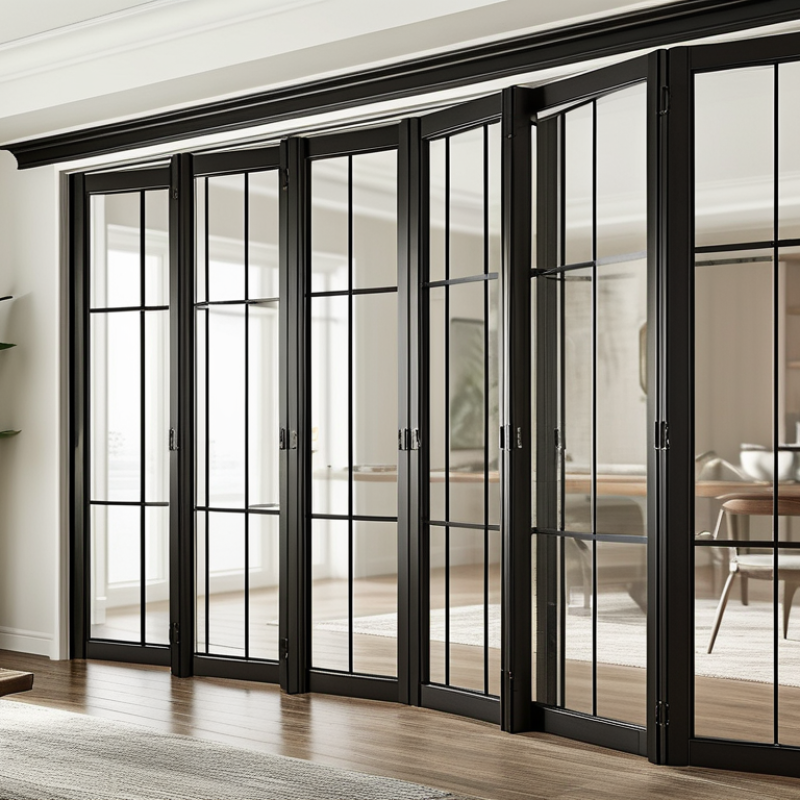
Another critical aspect is the door's design and insulation capabilities. Sliding doors often prioritize aesthetics and space efficiency. Folding doors, on the other hand, can create wide openings, ideal for commercial spaces. Insulation can also impact energy efficiency. Poorly insulated doors may lead to increased energy costs. Consider how often you will use these doors; frequent use demands more robust features.
Lastly, think about security and safety. Some doors offer advanced locking systems, which can deter potential intruders. It's worth reflecting on your location and the specific security needs in your area. Regular maintenance is also essential. Heavy-duty doors can wear over time, needing parts replaced. Evaluating these factors helps ensure you select the best option for your specific requirements.
Material Options: Comparing Aluminum, Wood, and Vinyl for Durability
When choosing heavy-duty sliding and folding doors, material matters significantly. Aluminum doors are known for their strength and resistance to rust. They are lightweight, making them easy to operate. However, their appearance might feel stark and industrial to some homeowners. Additionally, they can conduct heat and cold, leading to potential energy loss if not properly insulated.
Wood offers a natural aesthetic that many find appealing. It provides great insulation and durability if maintained well. However, wood requires regular upkeep. It is more susceptible to warping and damage from moisture. In areas with high humidity, wood might not be the best choice. Vinyl doors are often chosen for their affordability and good insulation properties. They are resistant to fading and won't warp or rust. However, they may lack the style and elegance of wood or the strength of aluminum.
Each material has its pros and cons. Your choice should align with your environment and personal preferences. Consider factors like energy efficiency and maintenance. Reflect on how the door's material fits into your overall design vision and functionality needs.
Weight Capacity and Load-Bearing Requirements Explained
When choosing heavy-duty sliding and folding doors, understanding weight capacity and load-bearing requirements is crucial. According to a report from the American Architectural Manufacturers Association, heavy-duty doors can support loads ranging from 300 to over 1,500 pounds based on material and design. Proper assessment of the installation site is essential. Ensure the structural framework can adequately handle the door’s weight.
Evaluate the materials used in the door. Steel and aluminum are popular for their high strength-to-weight ratio. While wood offers aesthetic appeal, it often requires more maintenance and may not support high weights efficiently. Resilient materials ensure longevity and reliability, especially in high-traffic areas.
Consider specific needs. If the door will be used frequently, such as in a commercial space, opt for designs with higher load capacities. Aim for top-hung or track-mounted systems for smooth operation under heavy loads. It’s also wise to assess local weather conditions. Extreme temperatures may affect door performance and material durability.
Ensure adequate support during installation. If the door is under stress or misaligned, it could lead to premature wear or failure. Regular maintenance checks can identify issues early, helping to prolong the lifespan of the doors. It’s valuable to consult with professionals for tailored advice. Their insights can guide you toward the best solution for your needs.
Design and Aesthetic Considerations for Heavy Duty Doors
When selecting heavy-duty sliding and folding doors, the design and aesthetic elements play a crucial role. A well-designed door not only improves functionality but also enhances the visual appeal of a space. According to a recent industry report, 72% of architects prioritize aesthetics when recommending door solutions. These doors come in various materials, including aluminum, wood, and glass, each offering distinct looks and benefits. The choice of material affects durability, maintenance, and overall style.
In commercial settings, visual coherence with existing architecture matters. Heavy-duty doors can either blend seamlessly or stand out as striking features. The right choice can elevate an environment's sophistication while ensuring longevity. A study indicates that businesses that invest in visually appealing doors report a 30% increase in customer satisfaction. Sometimes, though, the challenge lies in finding a balance between aesthetics and practicality. A stunning glass door may not always provide the durability needed for high-traffic areas.
Additionally, color and finish contribute to the overall design impact. Neutral tones often work well in modern spaces, while bold colors can create focal points. Yet, clients may struggle with selecting the right hue or finish. Understanding the surrounding colors and materials can simplify this decision. A misstep here could lead to a disjointed look, which ultimately affects the space's harmony. Thus, careful consideration is essential in the decision-making process.

 '
'
