2026 How to Choose the Best 1 Inch Cotton Webbing for Your Needs?
Choosing the best 1 inch cotton webbing is essential for various applications, from crafting to industrial use. According to a recent market report, the global webbing market is expected to reach $3 billion by 2026, with cotton webbing leading in popularity. Its durability, flexibility, and eco-friendliness make it a preferred choice among consumers and manufacturers alike.
When selecting the right 1 inch cotton webbing, consider factors like tensile strength, weave patterns, and color fastness. Industry experts emphasize that not all cotton webbing is created equal. For instance, some may lack the necessary strength for heavy loads, while others might fade quickly. Real-life applications showcase that using subpar webbing can lead to failures in products, which impacts both safety and reputation.
It is crucial to examine the type of cotton used. The best webbing often consists of high-quality, tightly woven fibers. Look for certifications and test reports that demonstrate reliability. A thoughtful choice will ensure that your projects stand the test of time, minimizing waste and maximizing efficiency. Engaging with suppliers who prioritize quality can deepen trust in products that meet your specific needs.
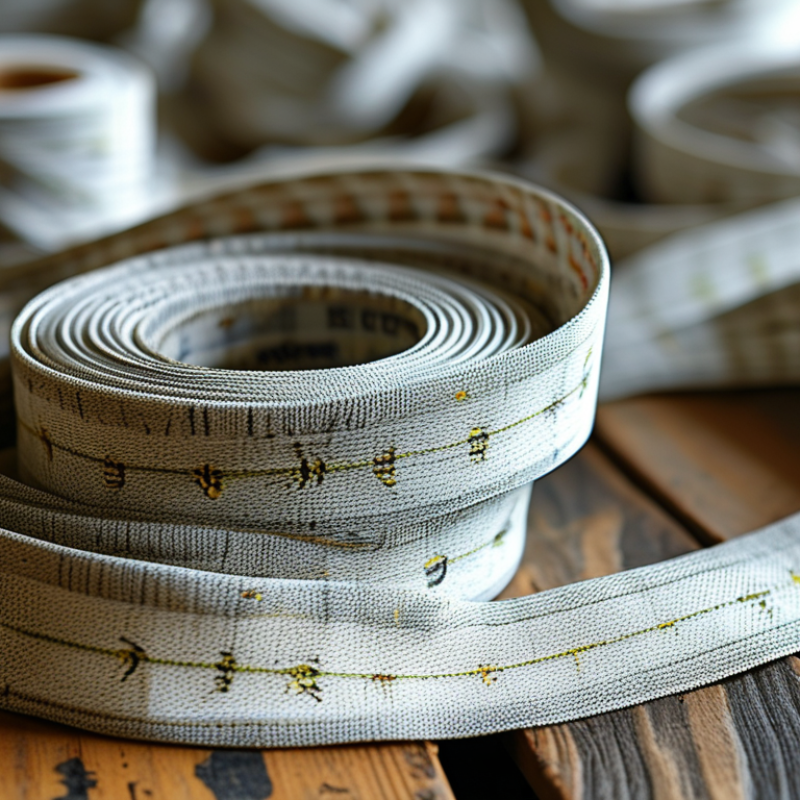
Understanding the Different Types of 1 Inch Cotton Webbing Available
When selecting 1 inch cotton webbing, understanding the various types can greatly impact your choice. Cotton webbing is commonly used for belts, bags, and crafts due to its durability and comfort. You may encounter different weaves such as tubular and flat options. Tubular webbing is often thicker, adding extra strength, whereas flat webbing tends to be more flexible and easier to manipulate.
The weight of the cotton webbing also matters. Heavier webbing may provide more support for heavy loads but could be cumbersome for lightweight applications. It's essential to evaluate your specific project needs. The texture can range from soft to coarse, affecting comfort levels in wearable items. Think about how it feels against the skin if you plan to use it for straps or clothing.
Color and design options are abundant, allowing for personalization. However, consider how colors may fade over time with use. Some cotton webbing may undergo chemical treatments that can affect its feel and appearance. Always check product details and samples, if possible. This ensures you understand the materials' quality before making a commitment. Reflection on your requirements will lead to a better choice.
Key Factors to Consider When Choosing Cotton Webbing for Your Project
When selecting the best 1-inch cotton webbing, several key factors come into play. The material's durability and strength are crucial for various projects. According to industry reports, high-quality cotton webbing can support weights exceeding 1,000 pounds. This makes it suitable for applications ranging from crafting to heavy-duty use. You must consider the webbing's thickness and weave type, as these elements affect both performance and aesthetics.
The color and finish matter too. Whether you need a natural, dyed, or printed option, the right look can enhance your project. Some suppliers provide UV-resistant treatments that prolong the webbing’s lifespan, particularly for outdoor uses. A study from the Textile Research Journal noted that improper treatment can lead to diminished quality. Therefore, researching the source of your materials is vital.
For effective use, ensure you've assessed the environment where the webbing will be applied. Moisture or sunlight exposure can degrade some materials faster than others. Understanding your project's specific needs will guide you in making an informed decision. Choosing the right cotton webbing involves a balance between strength, aesthetic appeal, and environmental factors. It's a decision that should not be rushed; reflecting on various options is essential for a satisfactory outcome.
Comparing Strength and Durability of Cotton Webbing Options
When selecting 1-inch cotton webbing, assessing strength and durability is crucial. Different cotton webbing can support various weights, influencing their usage in applications like straps and bags. A heavier woven material generally indicates greater strength. Look for options with a tighter weave. This characteristic can enhance their load-bearing capacity and overall longevity.
The durability of cotton webbing often depends on its treatment. Some webbing comes pre-treated for water resistance. This can be beneficial for outdoor projects. However, untreated cotton may provide a softer feel but could wear out quickly in harsh environments. Consider how often and where you plan to use your webbing. Regular wear and exposure to elements can lead to fraying and degradation.
While cotton webbing is environmentally friendly, it's not infallible. Natural fibers can succumb to mold or mildew in damp conditions. Thus, regular inspections are advisable. Understanding your specific needs will guide you towards the best choice. A combination of strength and durability tailored to your context ensures a reliable product for your projects.
Evaluating Color and Aesthetic Choices for Cotton Webbing
When evaluating cotton webbing, color and aesthetic choices play a vital role. Cotton webbing is not just for functionality; it can enhance the visual appeal of your projects. According to industry reports, over 70% of consumers prioritize color when selecting materials. This statistic underscores the importance of aesthetics in the decision-making process.
Consider the context of your project. The right color can evoke specific emotions or convey particular messages. For instance, bright colors might signify energy, while earthy tones can invoke tranquility. Research shows that color preferences can vary significantly across demographics, making it essential to understand your target audience.
Choosing a color palette can feel overwhelming. It’s helpful to create mood boards with fabric swatches. This can highlight how different colors interact. Natural lighting can also influence color perception, so test your choices in varying conditions.
Consult color theory to guide your selections. Different colors can clash or complement each other. For added impact, consider patterns or textures that can work alongside your chosen colors. Stay updated on color trends in the industry, as these can inform your choices. Remember, the aesthetic appeal of cotton webbing adds value beyond its practicality.
Evaluating Color Preferences for 1 Inch Cotton Webbing
Tips for Care and Maintenance of Cotton Webbing Products
When using cotton webbing products, proper care and maintenance are essential for longevity. Regular cleaning can prevent dirt buildup. Hand washing is the best method, using mild detergent. Avoid harsh chemicals that could degrade the fibers over time. If the webbing gets wet, allow it to air dry fully before storing. This step prevents mold and mildew growth.
Storage can also impact the longevity of cotton webbing. Keep it in a cool, dry place away from direct sunlight. Sunlight can weaken the material and cause fading. Ensure that the webbing is not tightly packed, as this can cause creases that may be difficult to remove later. If intricate patterns or textures are present, take extra care to maintain their form.
Every user should remain vigilant about signs of wear and tear. Frayed edges or weakened spots can compromise strength. It's crucial to inspect regularly, especially before heavy use. Consider replacing worn-out webbing if it fails to meet safety standards. Maintaining cotton webbing requires consistent attention, but the rewards of durability and reliability are worth the effort.

 '
'
