How to Choose Bathroom Hardware for Your Project?

Choosing Bathroom Hardware is not a finishing touch added after the room is complete. It is part of the room’s daily performance. A towel bar must hold weight without loosening. A shower shelf must drain quickly. Cabinet pulls should feel comfortable with wet hands. Small decisions become noticeable every morning.

Interior designer Jamie Gold, a recognized wellness design authority, says, “A bathroom should support your daily rituals, not complicate them.” That principle gives this project a practical direction. Hardware should match the room’s moisture levels, traffic, cleaning routine, and visual character. Chrome can create a bright, reflective surface. Brushed finishes often hide fingerprints better. Matte black can look dramatic, but mineral deposits may appear quickly on poorly maintained pieces.

The right choice also depends on installation details. Check wall structure before ordering grab bars or heavy accessories. Measure the distance between fixtures and nearby doors. Confirm whether the mounting plate suits tile, drywall, or stone. These steps may seem ordinary. They prevent expensive corrections later.

Still, no selection is perfect. A beautiful finish may require more cleaning. A low-cost piece may fail sooner than expected. I have seen attractive hardware feel awkward because its edges were too sharp. This guide examines material quality, corrosion resistance, ergonomics, style, installation, and long-term value. It also questions common assumptions, because a bathroom should not merely look finished. It should work quietly, safely, and reliably every day.
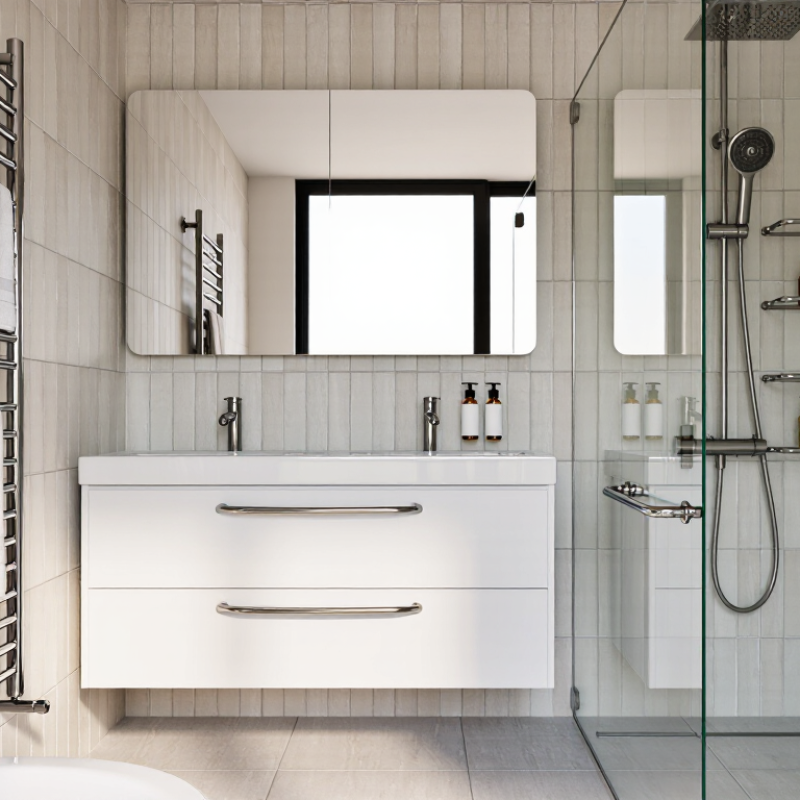
How to Choose Bathroom Hardware for Your Project?

Define Your Bathroom Hardware Needs and Project Requirements

Choosing bathroom hardware starts with a requirements sheet, not a finish sample. Record users, room dimensions, installation surfaces, moisture exposure, and cleaning habits. Note who uses the room. Children, older adults, and guests may need different clearances and grip options. A beautiful towel bar fails if its fixing points meet hollow plasterboard.

Budget should include hardware, reinforcement, labor, and future replacement. Houzz’s 2024 U.S. Bathroom Trends Study reported a median major-remodel spend of $13,500. That figure is a planning reference, not a promise. Small projects can still become expensive when concealed supports or tile repairs appear. Allow a contingency, then confirm the installer’s method before ordering.

Water and safety requirements deserve equal attention. The U.S. Environmental Protection Agency states that WaterSense-labeled products use at least 20% less water than standard models while maintaining performance. Check flow rates, load ratings, corrosion resistance, and accessibility needs against local codes. Do not assume every universal fitting works everywhere. Measure twice. Photograph wall framing before closing it. One overlooked measurement can force a costly compromise, and that is where an honest review matters.

Select Hardware Materials for Durability, Maintenance, and Style

Choosing bathroom hardware starts with the material, not the finish. In daily use, wet hands, soap, and hard-water droplets test every surface. Stainless steel resists staining and performs well near sinks and showers. Solid brass offers weight, strength, and easier thread repair. Zinc alloys can reduce cost, but thin plating may wear at edges. That detail is easy to miss.

Corrosion is expensive. The NACE IMPACT study estimated global corrosion costs at about $2.5 trillion annually, equal to 3.4% of global GDP. This supports a practical rule: specify corrosion-resistant hardware where moisture remains trapped. Look for sealed cartridges, protected screws, and finishes tested for humidity. I prefer satin surfaces in busy bathrooms because they disguise fingerprints better than polished chrome. Still, satin is not maintenance-free.

Maintenance also affects water performance. The U.S. Environmental Protection Agency’s WaterSense criteria limit bathroom faucets to 1.5 gallons per minute, about 30% less than conventional 2.2-gpm models. Choose compatible aerators and accessible replacement parts, rather than treating efficiency as a decorative feature. Clean hardware with mild soap and a soft cloth. Avoid abrasive pads and acidic cleaners, which can damage protective coatings. I once underestimated splash patterns around a basin; the hardware looked excellent, but constant droplets exposed weak finishing. Test the layout before final installation. Style should survive real cleaning, not only the showroom light.

How to Choose Bathroom Hardware for Your Project?

Compare common bathroom hardware materials by durability, maintenance needs, corrosion resistance, appearance, and typical project suitability before making a selection.

Material Durability Moisture & Corrosion Resistance Maintenance Requirements Style & Finish Options Typical Cost Level Best Suited For Key Consideration
Solid Brass ★★★★★
Very high strength and long service life
Good resistance to bathroom humidity; unprotected surfaces may develop natural patina Wipe with a soft cloth and mild soap; avoid abrasive cleaners and harsh chemicals Polished, brushed, antique, matte, and plated finishes High Premium residential and hospitality projects Confirm whether the product is solid brass or brass-plated over another base material
Stainless Steel ★★★★★
Strong and resistant to impact
Excellent resistance to moisture; performance varies by grade and environment Clean regularly with a soft cloth; wipe away salt, chlorine, and water deposits Brushed, satin, polished, and powder-coated appearances Medium to high High-use bathrooms, public facilities, and humid locations Higher-grade stainless steel is generally preferable for coastal or heavily humid environments
Zinc Alloy ★★★☆☆
Suitable for moderate everyday use
Usually depends on the quality and coverage of the protective finish Use non-abrasive soap and water; dry after cleaning to protect the finish Supports many decorative shapes and plated finishes Low to medium Budget-conscious residential renovations Inspect the coating quality, especially around joints, edges, and mounting points
Aluminum ★★★☆☆
Lightweight with moderate strength
Good natural resistance to atmospheric corrosion; vulnerable to certain chemical cleaners Clean with mild detergent and water; avoid strong alkaline or acidic products Anodized, brushed, painted, and powder-coated finishes Medium Contemporary designs and lightweight accessories Check wall anchors and mounting hardware because the material is lighter than brass or steel
Coated Steel ★★★★☆
High strength when the coating remains intact
Good while the protective coating is undamaged; exposed scratches can allow rust to develop Use soft cloths and mild cleaners; repair or replace damaged coatings promptly Powder-coated, painted, chrome-look, and matte finishes Medium Projects requiring rigid, cost-effective hardware Pay close attention to coating thickness, edge coverage, and scratch resistance
ABS Plastic ★★☆☆☆
Lightweight and suitable for light-duty use
Does not rust; prolonged heat, ultraviolet exposure, or harsh chemicals may cause aging Easy to clean with mild soap and water; avoid solvents and abrasive pads Solid colors, chrome-look surfaces, and simple modern forms Low Temporary installations, light-use spaces, and low-cost projects Verify load capacity before using for grab bars, shelves, or frequently handled accessories

Practical selection tip: For wet or heavily used bathrooms, prioritize the base material, protective finish, mounting method, and cleaning requirements together rather than judging hardware by appearance alone.

Match Hardware Types to Bathroom Functions and Layout

Choosing bathroom hardware starts with the room’s function, not its finish. A compact powder room may need only a towel ring, robe hook, and single-lever faucet. A family bathroom needs stronger storage support, double towel bars, and easy-clean shower controls. Houzz’s 2024 U.S. Bathroom Trends Study reports that 78% of renovating homeowners upgraded their showers. That figure shows how central shower hardware has become.

Match each fitting to movement and clearance. In a narrow bathroom, use wall-mounted accessories to protect walking space. Choose a slim rain shower for a small enclosure, but add a handheld unit when children or older users need better control. For a wide vanity, separate towel bars can reduce crowding. EPA WaterSense data states that certified bathroom faucets use no more than 1.5 gallons per minute, helping reduce water use without sacrificing normal performance. The right hardware should feel quiet, solid, and intuitive. A beautiful handle can still be awkward.

Tips: Mark every mounting point with painter’s tape first. Open doors, drawers, and shower screens fully. Leave enough clearance for wet hands. Check wall blocking before drilling. I often see layouts that look balanced on paper but fail beside a real toilet or open cabinet. Recheck the measurements. Small mistakes become daily annoyances. Choose corrosion-resistant materials for humid zones, and test the grip with wet hands before final installation.

Coordinate Finishes, Sizes, and Designs Across the Space

Choosing bathroom hardware is less about matching every piece and more about creating visual rhythm. Coordinate the main finish across faucets, cabinet pulls, towel bars, and shower controls. Then introduce one restrained contrast, such as brushed metal beside a dark mirror frame. The 2024 Houzz U.S. Bathroom Trends Study reports that homeowners frequently upgrade showers and vanities together, showing why hardware should be planned as one system. Still, showroom lighting can mislead. Finishes may look warmer at home.

Size must follow both the room and the hand. A wide vanity needs longer pulls, while a compact basin benefits from lighter hardware. Align cabinet pulls horizontally across drawers and vertically on doors. Keep towel bars near the sink, but leave enough clearance for wet fabric to dry. The NKBA Bathroom Planning Guidelines recommend careful fixture clearances, yet real walls are rarely perfect. Measure tile joints, door swings, and plumbing locations before drilling. A beautiful layout can fail when a handle hits a wall.

Tips: Request physical finish samples. Test grip with wet hands. Choose WaterSense-labeled faucets when available; the U.S. EPA limits them to 1.5 gallons per minute, compared with older 2.2-gallon models. This reduces water use without changing daily comfort. Do not force one trend everywhere. A slightly imperfect contrast often makes the room feel more considered.

Check Installation Methods, Compatibility, and Project Budget

How to Choose Bathroom Hardware for Your Project?

Bathroom hardware should be selected around installation methods, compatibility, and the project budget. Appearance matters, but it cannot fix a loose fitting or a damaged wall.

Start by checking how each piece will be installed. Wall-mounted hardware may need blocking behind tile or drywall. Adhesive models require a clean, dry, grease-free surface. Screw-fixed products usually offer stronger support, but drilling can damage finished surfaces. I once measured only the visible wall area and missed a hidden pipe route. That mistake delayed the installation.

Check the hardware’s dimensions, mounting pattern, material, and weight rating. Compare these details with your wall construction and existing plumbing connections. A fitting designed for one pipe size may require an adapter, which adds cost and another possible leak point. In damp bathrooms, corrosion-resistant materials and sealed joints are practical choices. Still, no material is maintenance-free.

Set a realistic budget before choosing decorative details. Include fasteners, adapters, sealant, tools, labor, and possible wall repairs. Low purchase prices can become expensive after installation changes. I also recommend keeping a small allowance for mistakes. Measurements are not always perfect, especially in older homes. Review the installation guide carefully, and ask a qualified professional to confirm uncertain plumbing or structural conditions.

'