How to Choose the Best Noise Reducing Curtains for Your Home?
Finding the right noise reducing curtains can transform your living space. These curtains are designed to block noise from outside, creating a peaceful environment. Whether you live near a busy road or a noisy neighborhood, the right selection is crucial.
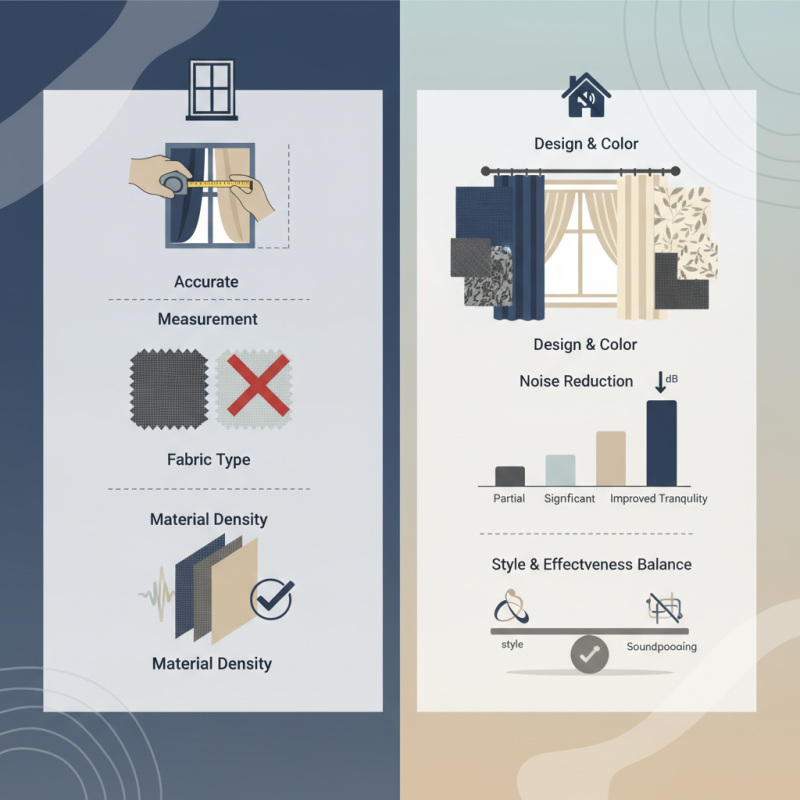
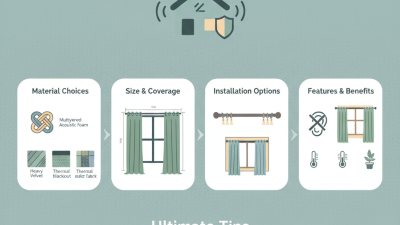
When choosing noise reducing curtains, consider the fabric. Heavier materials tend to absorb sound better than lighter ones. Look for curtains with a dense weave or those made from thermal insulation fabrics. It's also important to measure your windows accurately. Curtains that are too small won't provide adequate coverage.
Be mindful of the design and color as well. While functionality is essential, aesthetics matter too. You want curtains that blend with your decor but still meet noise reduction needs. Keep in mind that some noise reducing curtains may not completely eliminate sound. However, they can significantly improve your home’s overall tranquility. Balancing style and effectiveness can be challenging, but the effort is worth it.
Factors to Consider When Selecting Noise Reducing Curtains
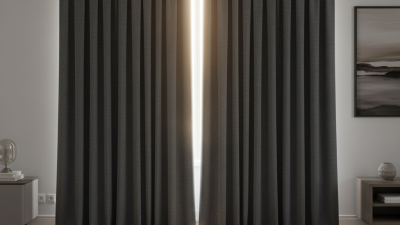
When selecting noise reducing curtains, several factors come into play. First, consider the fabric. Thicker materials tend to absorb sound better. Look for weighted fabrics, like velvet or heavy linen. These options are more effective at muffling noise. Another aspect is the curtain's size. Ensure that they are wider than your window frame. This helps to cover any gaps that could allow sound to seep in.
Tips: Measure your windows carefully. Small gaps can let noise through. Also, think about the color and design. Darker hues often signal heaviness. They can enhance the sound-absorbing quality.
Keep in mind that installation matters. The way you hang your curtains can affect performance. Use curtain rods that extend past the window. This lets the fabric drape properly. Ensure that the curtains touch the floor. This aids in blocking sound. Remember, the tighter the fit, the better the results.
Factors Affecting Noise Reduction in Curtains
Material Options for Effective Soundproofing in Curtains
When selecting noise-reducing curtains, material choice is crucial. Fabrics like polyester, velvet, and blackout materials excel in sound absorption. According to the Soundproofing Company, these materials can reduce noise by up to 25 decibels, providing a significant improvement in sound quality indoors. The weight and density of the fabric play key roles. Thick, heavy curtains tend to block more sound waves than thinner options.
Layering also enhances soundproofing capabilities. A dual-layer approach, combining a thick curtain with a light sheer, can create a barrier that mitigates noise effectively. According to research by the Acoustical Society of America, layered materials can absorb sound frequencies better than single layers. While this method is effective, it may not be suitable for all spaces. Consider room size and type of noise when choosing the curtain style.
Visual aesthetics is another factor to weigh. Some materials may suit your decor but lack soundproofing effectiveness. Testing samples can help find the right balance. Heavy velvet may look gorgeous but could overwhelm a small room. Alternatively, lighter fabrics may provide better acoustics but lack the luxurious feel. It’s about finding what works best for both functionality and style.
Measuring Your Windows for the Perfect Fit
Measuring your windows accurately is crucial for finding the perfect noise reducing curtains. Start by using a tape measure. Measure the width and height of your window frame. Ensure you measure at multiple points. Windows can have slight variations. This careful approach helps prevent purchasing curtains that are too short or too narrow.
Consider the curtain's mounting options as well. You can choose to hang them inside or outside the frame. If you opt for outside mounting, extend the width by a few inches. This provides better coverage and enhances the noise reduction effect. The height should ideally extend to the floor for maximum sound dampening. If you are unsure, consulting a measuring guide can be very helpful.
Don’t forget about the fabric choice. Thicker, heavier materials tend to block more sound. However, ensure the colors and styles match your interior. Sometimes, a beautiful curtain might not function as well as it looks. It's worth testing several options. After all, function and aesthetics should go hand in hand.
Styles and Designs That Complement Your Home Decor
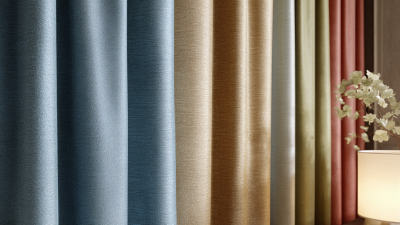
When choosing noise-reducing curtains, consider styles that enhance your home decor. Fabric and design play crucial roles. An industry report notes that 80% of homeowners prefer curtains that blend functionality with aesthetics. Choosing the right hue and pattern can create a harmonious space. This balance can significantly impact your interior ambiance.
Layering textures adds depth. For a cozy feel, opt for heavy fabrics like velvet or woven materials. Conversely, lighter fabrics can create an airy atmosphere while still absorbing sound. According to studies, the right curtains can reduce indoor noise by up to 30%. Look for options that nod to both modern and classic designs. A minimalist approach may appeal to some, while others may prefer vibrant patterns.
Remember, the curtain's length matters too. Floor-to-ceiling models can amplify visual drama and enhance sound absorption. Yet, some may overlook this in favor of convenience. Height and width will change how your room feels. Be thoughtful in creating your personal sanctuary. Finding the best fit requires a blend of style and practicality, a balancing act that can be challenging.
Comparing Prices and Brands for Quality Noise Reducing Curtains
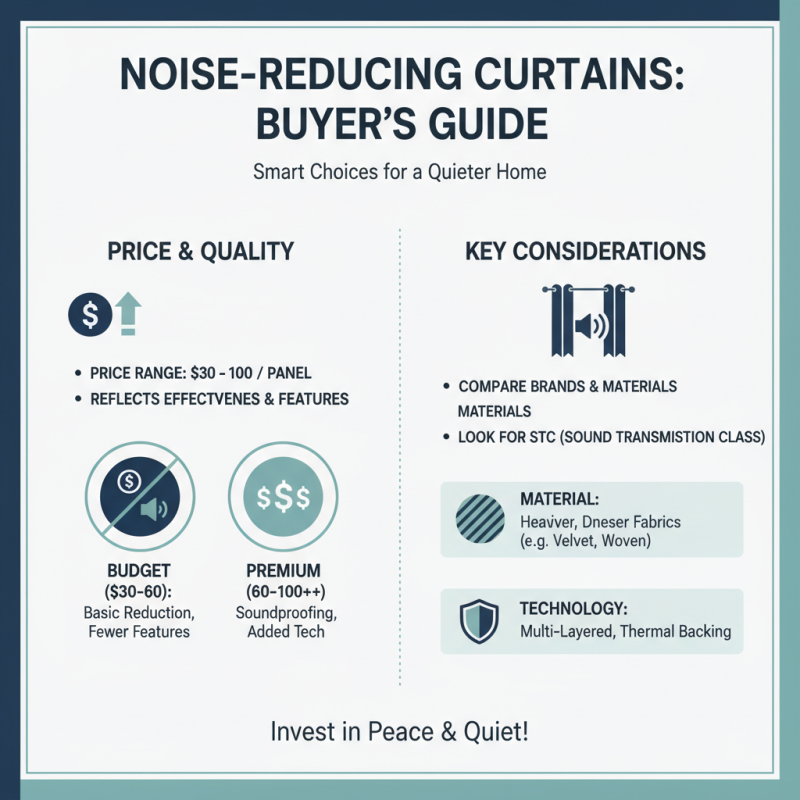
When selecting noise-reducing curtains, comparing prices and brands is essential. Price ranges often reflect quality. Reports indicate that effective curtains cost between $30 to $100 per panel. Higher-priced options may offer advanced soundproofing technology, while budget ones might lack crucial features.
Materials matter. Curtains made from dense fabrics, like velvet or heavy polyester, tend to absorb sound better. A study from Soundproofing.org highlights that thicker textiles can block noise by up to 30%. However, not all expensive brands guarantee performance. Customers must check for density and sound absorption ratings for informed choices.
Brand reputation can influence buying decisions. Some brands dominate the market, boasting extensive customer reviews and ratings. Yet, trust in brand names can lead to bias. Lesser-known brands may offer similar quality at lower prices. Investigating user feedback on independent websites can help discover these hidden gems. Balancing cost and performance is key to making a sound investment.


 '
'
