How to Choose the Best Perforated Pe Film for Your Needs?
Choosing the right Perforated Pe Film is crucial for various applications, including agricultural, packaging, and industrial uses. According to industry reports, the demand for perforated PE film has surged by over 15% annually, driven by innovations that enhance breathability and moisture control. Such films are essential in the horticulture sector, where specific microclimates can improve crop yield.
When selecting perforated PE film, understanding the unique needs of your application is key. The permeability of the film can dramatically affect the preservation of freshness in packaged products. For instance, a film with optimal hole size can reduce condensation while allowing gas exchange, ensuring product longevity. However, not all perforated PE films are created equal. Low-quality options may lead to spoilage, diminishing both product quality and profit margins.
Recognizing the differences among various types of perforated PE films requires careful analysis. Many buyers often overlook essential characteristics like film thickness, hole pattern, and UV resistance. A deeper dive into these factors can uncover potential drawbacks in cost-saving choices. Investing in high-quality perforated PE film is essential for sustainability and performance in a competitive market.
Understanding Perforated PE Film and Its Uses
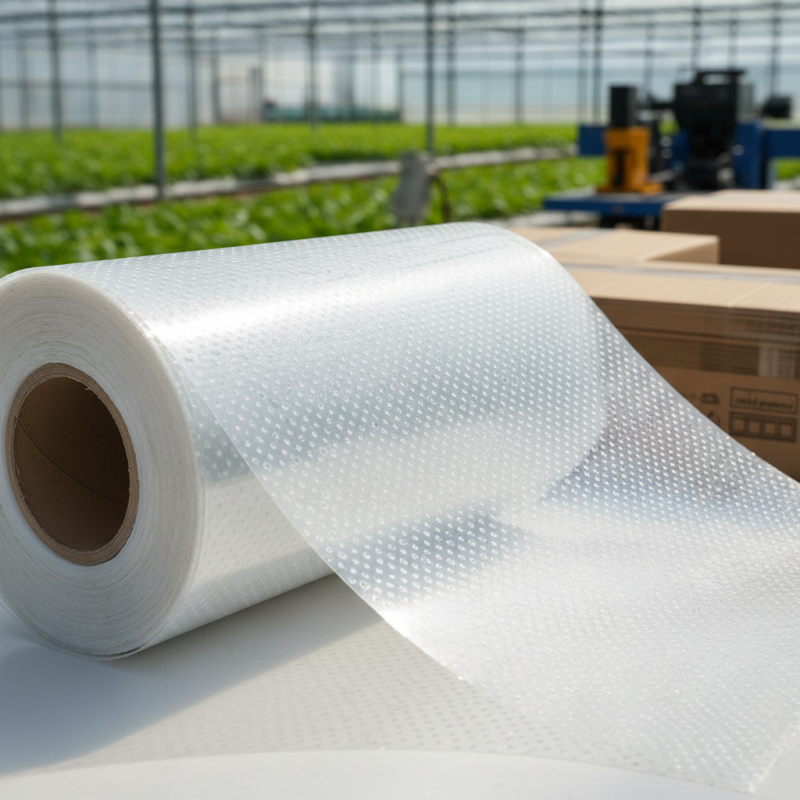
Perforated PE film is a versatile material used in various applications. It contains tiny holes that promote air circulation while retaining moisture. This feature makes it ideal for packaging fresh produce, as it helps maintain freshness by allowing ethylene gases to escape. The film's breathability is critical in reducing spoilage, especially for fruits and vegetables.
Another common use is in horticulture. Gardeners benefit from perforated PE film for covering soil. It allows water and nutrients to penetrate while preventing pests. The film's durability plays a significant role in its effectiveness. However, one should consider the perforation size based on specific needs. Too large a hole may lead to excessive moisture loss, while too small can trap heat and humidity.
Understanding the right thickness is also essential. Thicker films provide greater strength, but they can be less flexible. Think about the balance between protection and breathability. Reflecting on these details ensures the chosen film aligns with your specific requirements. Choosing the correct perforated PE film can involve trial and error, leading to valuable lessons in effective use.
Factors to Consider When Choosing Perforated PE Film
When choosing perforated PE film, several factors come into play. Understanding your specific needs is crucial. Consider the film's thickness. Thicker films provide durability but may reduce breathability. A balance is essential for optimal performance.
Next, evaluate the perforation size and pattern. Larger holes allow for better airflow but may compromise the film's strength. Aim for a design that suits your application, whether for packaging or agriculture. Don't overlook the environment where the film will be used. Exposure to UV light can weaken the material, so speaking with experts may help clarify which type is best for you.
Lastly, always consider the storage and handling of the film. Ensure its compatibility with your processes. This can impact efficiency and waste minimization. Reflect on any challenges you faced in past projects. Are there recurring issues? Addressing these concerns can lead you to a better choice of perforated PE film.
Comparing Different Types of Perforated PE Film
When selecting perforated PE film, it’s crucial to understand the different types available. Perforated PE films can vary in hole size, pattern, and spacing. Each of these factors affects air circulation and moisture retention. For example, a film with smaller perforations may retain humidity better, essential for growing leafy vegetables. However, excessive moisture can foster fungal diseases.
Data from industry reports indicate that micro-perforated films enhance oxygen transmission, promoting healthier crop growth. Elevating oxygen levels can increase yields by up to 15%. Consider the specific requirements of your application. If you need a controlled environment, you might opt for a film with smaller and more frequent perforations.
However, users often overlook the effects of UV exposure on film durability. Most perforated PE films degrade under prolonged sunlight. Experts recommend assessing performance standards, particularly those that ensure longevity and resistance to tearing. Remember, the best choice might not always be the most expensive option. An informed decision will balance functionality with cost-effectiveness, ensuring optimal results for your specific needs.
Evaluating Quality and Performance of Perforated PE Film
Choosing the right perforated PE film involves careful evaluation of its quality and performance. High-quality perforated PE films are essential for effective packaging in various industries. They allow for optimal air circulation, enhancing freshness in produce while maintaining protection. According to a report from the Flexible Packaging Association, films with 0.5mm perforation sizes can significantly reduce condensation, thus prolonging the shelf life of perishable goods.
Performance metrics such as tear resistance and tensile strength play crucial roles in the film's efficiency. A study by the Plastics Industry Association highlights that films with a minimum tensile strength of 15 MPa are suitable for demanding applications. Additionally, examining compatibility with various sealing methods is important. Not all films perform equally under heat sealing or cold sealing, which can impact usability.
While many manufacturers provide specifications, independent testing offers more reliable data. It is vital to understand how climate conditions impact film performance. For instance, films may exhibit reduced strength in high humidity. This nuanced understanding highlights the importance of thorough research in your selection process. Ultimately, not every choice will meet all needs perfectly, which underscores the value of testing under specific conditions to ensure optimal results.
Application-Specific Recommendations for Perforated PE Film
Choosing the right perforated PE film is crucial for specific applications. Perforated films serve various industries, from agriculture to food packaging. Each application has unique requirements. Understanding these needs can enhance efficiency and product shelf life.
In agriculture, for instance, perforated PE films can improve airflow. Data indicates that crops under specially designed films show up to 30% increased yield. Ideally, these films must have appropriate hole sizes and spacing. This ensures adequate ventilation while minimizing moisture loss. Choosing a film without considering these factors could lead to decreased crop health.
For food packaging, the focus shifts to breathability. Effective perforation prevents condensation while keeping products fresh. Research shows that the right perforated film can extend the shelf life of fresh produce by 20%. However, improper selection may result in spoilage. Diligence is required in assessing the thickness and perforation pattern before making a choice. Reflecting on these insights can improve decision-making in the long run.
How to Choose the Best Perforated Pe Film for Your Needs? - Application-Specific Recommendations for Perforated PE Film
| Application | Perforation Size (mm) | Film Thickness (microns) | Moisture Barrier | UV Resistance | Recommended Use |
| Horticulture | 0.5 | 100 | Moderate | High | Greenhouse covering |
| Food Packaging | 0.2 | 80 | High | Moderate | Fresh produce packaging |
| Construction | 1.0 | 200 | Low | Low | Temporary barriers |
| Industrial | 0.7 | 150 | Moderate | High | Machine packaging |
| Retail Display | 0.3 | 120 | High | Moderate | Product packaging display |

 '
'
