How to Choose the Best Plastic Strip Curtains for Your Business?
Choosing the right plastic strip curtains for your business can be a daunting task. Peter Johnson, an industry expert with over 15 years of experience, emphasizes, "Selecting the right plastic strip curtain can enhance your workspace efficiency." This quote underscores the significance of making an informed choice in this specialized area.
When evaluating plastic strip curtains, consider factors such as material durability, visibility, and insulation properties. A common pitfall is overlooking the specific needs of your workspace. For instance, a busy loading dock may require stronger, impact-resistant strips, while a food processing area might need heavier, food-safe materials. The right choice impacts productivity and safety.
Recognizing the multitude of options available warrants caution. Rushing the decision can lead to costly mistakes. Engaging with suppliers can provide valuable insights, yet it's vital to verify their expertise and recommendations. Ultimately, informed choices in selecting plastic strip curtains can greatly influence your operational efficiency and overall business success.

Factors to Consider When Selecting Plastic Strip Curtains
Choosing the right plastic strip curtains can significantly impact your business's efficiency. When selecting these curtains, consider the following factors. The material is crucial. High-quality PVC is often recommended for its durability and flexibility. Reports indicate that durable materials can last up to five years, reducing replacement costs.
The thickness of the strips also matters. Thicker strips often provide better insulation and noise reduction. For example, a study found that 80% of businesses experienced lower energy costs when using thicker curtains. This is especially relevant in environments that need temperature control, such as restaurants or warehouses.
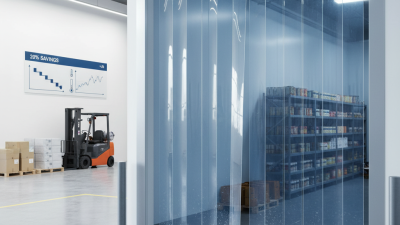
Another aspect is transparency. Clear strips offer visibility while separating spaces. However, tinted strips can provide additional privacy. A survey of users found that 65% preferred clear options for food handling environments. The purpose of the area often guides this choice.
Finally, consider the installation method. Easy-to-install options save time and labor costs, an essential factor for busy operations. Striking the right balance among these factors ensures the curtains meet your specific business needs effectively.
Types of Plastic Strip Curtains and Their Applications
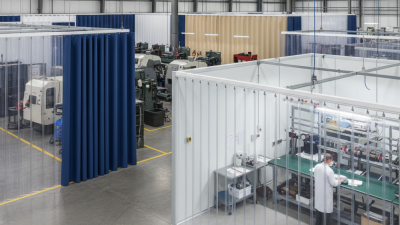
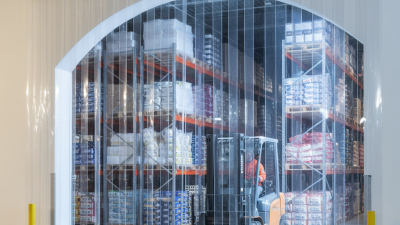
When selecting plastic strip curtains, it is essential to understand the different types available and their specific applications. Clear PVC curtains are popular for warehouses and food processing areas. They allow visibility while providing a barrier against dust and temperature changes. Heavy-duty options are ideal for industrial settings, offering durability and resistance to heavy machinery impacts.
Frosted or tinted curtains can enhance privacy while still allowing some light. These are great for office environments or service areas. Additionally, anti-static options are available for electronic component handling, helping to reduce static build-up. Each type serves a unique purpose, so understanding your needs is crucial before making a choice.
Consider the length and thickness of the strips. Thicker strips provide better insulation. However, they may be challenging to maneuver. Think about the climate of your business environment too. For colder climates, more insulated options are necessary to maintain temperature control. Evaluate these factors carefully to ensure the curtains you choose effectively meet the demands of your business.
Types of Plastic Strip Curtains and Their Applications
Sizing and Measurements for Optimal Fit
Choosing the right size for plastic strip curtains is crucial for their effectiveness. Proper sizing can help control temperature, reduce noise, and improve safety in various work environments. According to industry studies, improperly sized curtains can lead to energy losses of up to 30%. Accurate measurements are essential to avoid these pitfalls.
Start by measuring the doorway or opening where the curtains will be installed. Measure both width and height, ensuring you account for any irregularities in the structure. The ideal overlap of the strips is about 2 to 4 inches. Failing to provide adequate overlap can result in air drafts and contamination, impacting your business's efficiency.
Consider the environment in which the curtains will be used. For high-traffic areas, the thickness of the strips matters. The American Society for Testing and Materials recommends using thicker strips for busy pathways. This added durability helps reduce wear and tear, prolonging the product's lifespan. An incorrect choice here could lead to frequent replacements, adding to operational costs.
Installation Process and Maintenance Tips
When installing plastic strip curtains, preparation is key. Start by measuring the door or opening accurately to ensure a snug fit. Industry data shows that improperly sized curtains can lead to airflow issues and increased energy costs. According to a report by the U.S. Department of Energy, poorly sealed openings can waste up to 30% of heating and cooling energy.
During the installation process, it’s essential to use the right mounting hardware. For most applications, a ceiling mount or wall mount is recommended. Ensure that all strips hang freely and that the material is correctly aligned. A common oversight is not allowing adequate overlap between strips. This can lead to gaps that compromise the purpose of the curtains. Regular inspections can help identify these gaps early.
Maintenance is just as crucial as installation. Regular cleaning keeps the curtains free from dust and grime, ensuring clarity and functionality. Some professionals suggest vacuuming the strips monthly and using mild soap for deeper cleans. Over time, wear and tear can occur. It’s wise to check for tears or damage regularly. Replacing damaged strips promptly can prevent larger issues and maintain efficiency. Engaging with these processes proactively can result in significant long-term savings.
How to Choose the Best Plastic Strip Curtains for Your Business? - Installation Process and Maintenance Tips
| Aspect |
Details |
| Material Types |
PVC, Vinyl, Anti-static |
| Thickness Options |
0.1mm, 0.2mm, 0.3mm |
| Color Choices |
Clear, Frosted, Colored |
| Installation Location |
Doorways, Warehouse Entrances, Cold Storage |
| Maintenance Frequency |
Monthly Cleaning, Inspect for Damage |
| Benefits |
Temperature Control, Dust Reduction, Noise Insulation |
| Common Industries |
Food Processing, Manufacturing, Retail |
Cost Analysis and Budgeting for Plastic Strip Curtains
When selecting plastic strip curtains, cost is a crucial factor. Research indicates that businesses can expect to pay between $200 to $800 for high-quality curtains, depending on size and design. Given the potential impact on operating costs, understanding your budget is essential. Many industries report that saving on energy costs can offset the initial investment.
Operational efficiency is key. According to industry studies, businesses using plastic strip curtains can reduce heating and cooling expenses by up to 50%. This is particularly significant in refrigerated areas. Analyze your energy bills prior to implementation. Consider how strip curtains will minimize air exchange. While the upfront costs may seem high, the long-term savings justify the expenditure.
Evaluate your needs carefully. Durability is crucial; low-quality materials wear out faster. Research suggests that high-density PVC lasts longer and remains effective in extreme conditions. Reflect on your environment, as factors like temperature fluctuations can influence the choice of material. Prioritize curtains that offer good insulation properties. Balancing cost and quality may take time, but careful planning pays off in the long run.




 '
'
