How to Choose the Best Sound Deadening Panels for Your Space?
Choosing the right sound deadening panels can transform your space. According to industry expert John Smith, “Effective sound deadening begins with understanding your environment.” Selecting the best panels involves multiple factors.
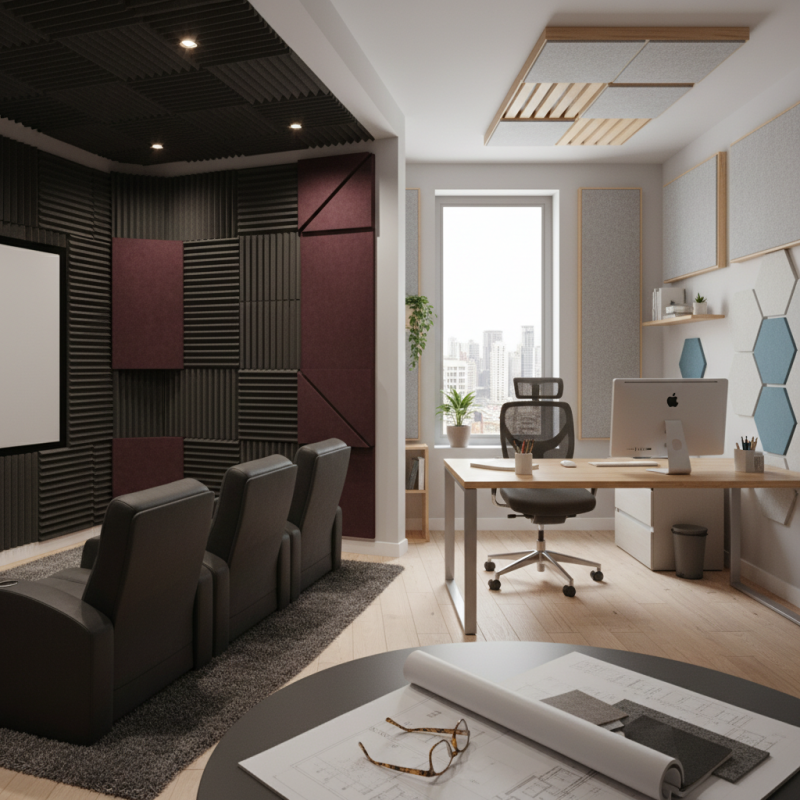
First, consider the intended use of the space. A home theater may need thicker panels for optimal sound control. Meanwhile, an office would benefit from lighter, more aesthetically pleasing options. Both situations showcase the diverse needs that sound deadening panels can fulfill.
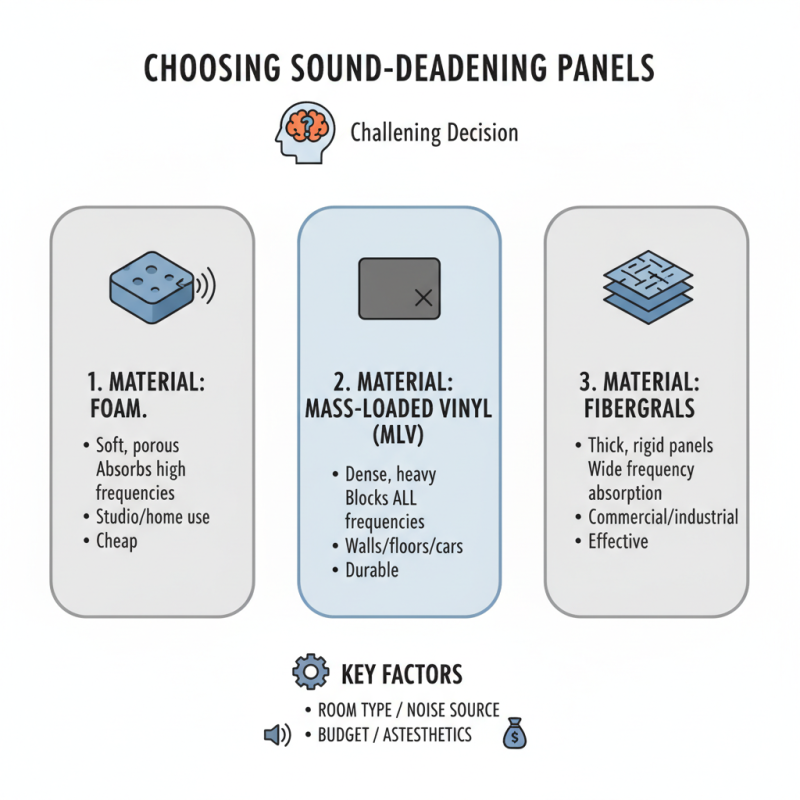
Additionally, the material of the panels plays a crucial role. Foam, mass-loaded vinyl, and fiberglass each have unique acoustic properties. However, choosing the wrong material can lead to subpar results. It’s essential to assess your specific requirements carefully. A thoughtful selection process ensures you maximize the benefits of sound deadening panels in your environment.
Understanding Sound Deadening Panels: Definition and Purpose
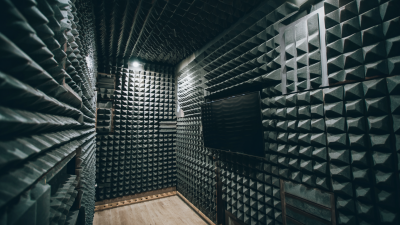
When discussing sound deadening panels, it's essential to understand their definition and purpose. Sound deadening panels are materials designed to absorb sound waves, reducing noise transmission between spaces. They are particularly useful in areas like studios, offices, and home theaters. According to industry studies, effective soundproofing can reduce noise levels by up to 30 decibels. This reduction can significantly enhance the acoustics of a space.
These panels work by converting sound energy into a negligible amount of heat. Many are made from fiberglass, foam, or mass-loaded vinyl. Each type serves a specific purpose, providing different levels of sound absorption and blocking capabilities. For example, fiberglass panels are excellent for high-frequency sounds, while mass-loaded vinyl is effective for low frequencies. Despite their merits, not all panels perform equally. A flawed installation can leave gaps that allow sound to seep through, undermining their effectiveness.
Choices in sound deadening panels often come down to personal preference and specific needs. Keep in mind that aesthetics can clash with functionality. Some homeowners may prefer stylish designs, which may sacrifice performance. Balancing form and function requires critical thinking. Understanding sound frequencies in your environment is vital. Without this knowledge, selecting the best panels can feel overwhelming. In this way, educating oneself can lead to better decisions.
How to Choose the Best Sound Deadening Panels for Your Space?
| Panel Type |
Material |
Noise Reduction Rating (NRR) |
Thickness |
Ideal Use Case |
| Foam Panels |
Acoustic Foam |
25-35 dB |
1-4 inches |
Recording Studios |
| Mass Loaded Vinyl |
Vinyl Composite |
30-40 dB |
1/8 inch |
Home Theaters |
| Acoustic Panels |
Recycled Fabric |
25-35 dB |
2 inches |
Offices |
| Resilient Channel |
Metal |
30 dB |
N/A |
Ceiling & Wall Installations |
Factors to Consider When Choosing Sound Deadening Panels
Choosing the right sound deadening panels can be challenging. Several factors come into play when making this decision. Start by considering the material. Foam, mass-loaded vinyl, and fiberglass are common options. Each has unique properties that affect sound absorption differently.
Next, evaluate the panel thickness. Thicker panels often provide better sound isolation. However, consider the space available. A balance between effectiveness and fitting the aesthetic of your room is essential. Also, think about installation. Some panels require professional help, while others are easy to install yourself.
Don’t forget to assess your specific needs. Do you need panels for a home theater or a music studio? The purpose changes everything. Reflect on your priorities. Sometimes, what seems effective might not fit the ambiance you want. Spend time researching and comparing before making a choice. The perfect solution should enhance your environment without overwhelming it.
Types of Sound Deadening Materials and Their Applications
When selecting sound deadening materials, understanding their types and applications is crucial. Foam panels are popular for home studios. They absorb sound waves, reducing echo. Typically, these panels are lightweight and easy to install. Their thickness and density vary, which affects performance. According to industry reports, a 2-inch foam panel can reduce sound by up to 30%.
Mass loaded vinyl (MLV) is another effective option. It is denser than foam and works well for walls and ceilings. MLV blocks sound rather than absorbing it. This makes it ideal for apartments or shared spaces. Data shows MLV can lower noise transmission by 35% to 45%. Its flexibility allows for easy integration into existing structures.
When choosing materials, consider your space. Test different options if possible. Don't forget to check installation methods. Some soundproofing solutions require professional help. Others can be do-it-yourself. Measure your room before buying. Use samples to find the right fit. Keep in mind that the cheapest option may not always be effective.
Measuring Your Space for Optimal Panel Placement
Measuring your space accurately is crucial for optimal panel placement. Most sound deadening panels perform best when strategically positioned. According to the Acoustical Society of America, proper placement can improve sound quality by around 30%. Start by measuring the dimensions of your room. Use a tape measure for precision. Sketch a floor plan with these measurements.
Consider areas where sound bounces. Corners and flat surfaces often amplify noise. A study by the National Institute of Standards and Technology shows that flat walls can reflect sound waves, creating an echo effect. Measuring the distances from walls to potential panel locations helps identify problem areas.
It's not just numbers; it's about sound dynamics too. Some spaces might need more treatment than others. Perhaps an area with a lot of hard surfaces needs more panels. Evaluate the room's purpose as well. A home theater will have different requirements than a simple office. Think critically about your choices. Adjustments may be necessary after the initial installation.
Installation Methods for Sound Deadening Panels
When installing sound deadening panels, the method you choose can greatly affect the outcome. You can use adhesive, which bonds the panels directly to walls. This method is typically easy but may require careful alignment. If misaligned, the panels may not perform as expected.
Another option is to use mounting brackets. These allow for adjustments before securing the panel in place. It might seem complicated but can provide a more professional look. Some people may struggle with installing heavy panels this way. It's crucial to ensure that the brackets are properly anchored.
Lastly, consider interlocking panels. They can fit together like puzzle pieces. This method is user-friendly and ideal for DIY enthusiasts. However, the seams between the panels may need extra sealing to avoid gaps. Evaluating these methods helps in making the right choice for your space.




 '
'
