How to Choose the Best Sound Proof Curtains for Your Home?
Choosing the right sound proof curtains for your home can greatly enhance your living environment. Renowned acoustics expert Dr. Emily Saunders once said, "The right curtains can transform noise levels, creating a sanctuary within your walls." This statement highlights the crucial role sound proof curtains play in sound insulation.
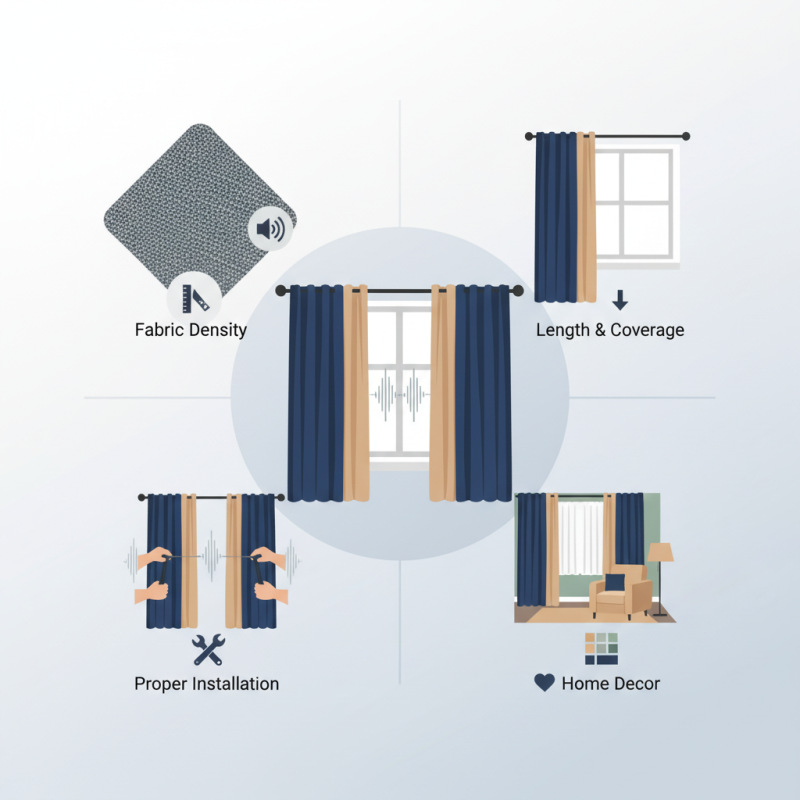
When selecting sound proof curtains, it's essential to consider various factors. Fabric density, length, and installation can significantly affect their effectiveness. Thick, heavy materials offer better sound absorption. Additionally, make sure the curtains extend beyond windows to minimize noise leakage. Appearance also matters; curtains should match your decor.
Many people overlook the installation process. Properly hanging sound proof curtains is vital for maximizing their potential. Relying on a professional can ensure sealing against noise intrusion. Investing in high-quality sound proof curtains is not just about aesthetics, but also about comfort and tranquility. It’s a decision that requires careful thought and consideration.
Understanding Sound Proof Curtains: Key Features to Look For
When choosing soundproof curtains, focus on key features that enhance their effectiveness. Look for curtains made from thick, dense materials. Fabrics like velvet or heavy polyester can significantly reduce noise. The curtain's weave also matters; tight weaves can block sound better than loose ones.
**Tip:** Check for a lining. Curtains with an additional sound-absorbing lining can improve performance. A blackout lining not only keeps light out but also adds to soundproofing.
Consider the size and coverage of the curtains. Ideally, they should extend beyond your window frame to minimize gaps. Installing the curtains closer to the ceiling can help trap sound more effectively.
**Tip:** Opt for a dual-track system. This allows you to layer different types of curtains for better insulation against noise. Different layers can create air pockets, enhancing sound absorption.
Remember, not all soundproof curtains are created equal. Do thorough research before making a decision. Testing some options at home could reveal what truly works for your space. Soundproofing often requires a combination of strategies for best results.
Types of Fabrics Used in Sound Proof Curtains and Their Effectiveness
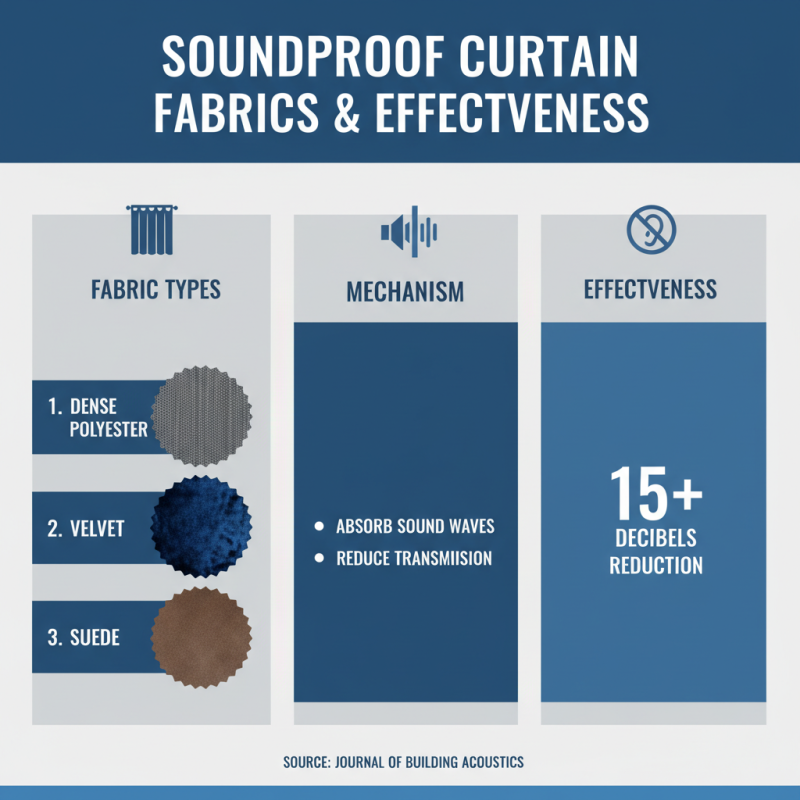
When selecting soundproof curtains, the choice of fabric plays a crucial role in their effectiveness. Many soundproof curtains utilize dense materials such as polyester, velvet, or suede. These fabrics have been shown to reduce sound transmission significantly. According to the Journal of Building Acoustics, varying fabric types can lower sound levels by 15 decibels or more.
Polyester, known for its durability, offers decent sound absorption. Thick velvet curtains provide superior noise reduction due to their weight and density. They can absorb and block sound waves more effectively. A report from the Acoustical Society of America highlights that curtains made of a mix of heavy fabrics are often more effective than those using a single type.
However, it is essential to consider where to use these curtains. In some cases, even high-quality fabrics may not entirely eliminate noise. The seams, installation methods, and window fittings also affect performance. A poorly fitted curtain can leave gaps that diminish its soundproofing ability. Achieving optimal results requires a holistic approach, combining fabric choice with proper installation. The journey to a quieter home may involve trial and error to find the best fabric and method for your specific needs.
Measuring Your Windows for the Perfect Fit in Sound Proof Curtains
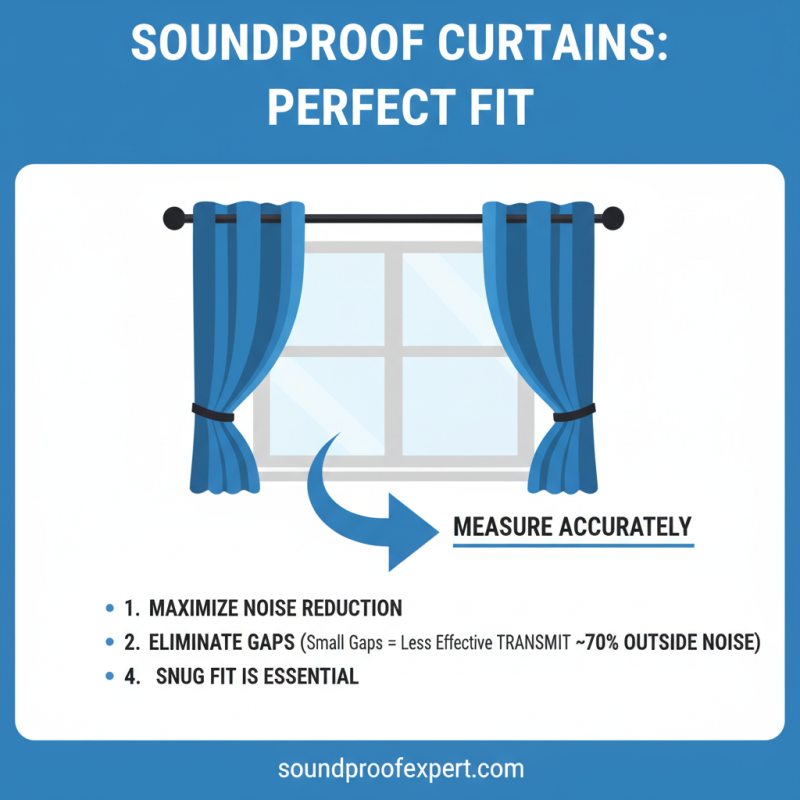
When selecting soundproof curtains, measuring your windows accurately is vital. This ensures you achieve the best fit and maximum noise reduction. Research shows that even small gaps can decrease the effectiveness of soundproofing. Advanced studies indicate that windows alone can transmit up to 70% of outside noise. Thus, a snug fit is essential.
To measure your windows, use a metal tape measure for the best accuracy. Capture the width at the top, middle, and bottom; then calculate the average. The same measuring method applies to the height, ensuring you account for any trim. Remember, measuring twice can save time and resources.
Tip: Consider adding an extra width to your curtains, especially if they are drawn open often. This allows the fabric to create a better seal against noise. Additionally, heavy fabrics work best; studies indicate that materials weighing over 60 ounces can dramatically reduce sound penetration. Always review your space — reflections and sound exposure can vary greatly. An informed choice becomes an invaluable addition to your home.
Installation Tips for Maximizing Sound Absorption of Curtains
Choosing soundproof curtains is only part of the solution. Proper installation is crucial for maximizing their effectiveness. The way you hang these curtains can greatly influence their ability to absorb sound.
One essential tip is to mount the curtains high above the window frame. This increases the area covered, allowing more sound waves to be blocked. The curtains should not only fall to the floor but also extend beyond the window edges. This will help minimize sound leakage.
Another important aspect is the use of a track system instead of standard rods. A track allows you to pull the curtains tightly, reducing gaps where sound can pass through. Ensure the curtains are thick and heavy, as denser fabrics will perform better in absorbing sound. However, not all fabric choices guarantee noise reduction. Reflect on your needs and test a few options to find what truly works for your space.
Sound Proof Curtains Effectiveness by Fabric Type
Comparing Costs and Brands of Popular Sound Proof Curtain Options
When exploring soundproof curtains, understanding costs and brands can be overwhelming. Many factors influence the price, such as material, thickness, and insulation properties. High-quality curtains often use dense fabrics. These can significantly reduce noise from outside. However, not every expensive option guarantees the best results.
Brands vary in their approach to soundproofing. Some market themselves heavily, while others might be less known but equally effective. Researching multiple brands helps to find the right price point. Online reviews can provide insights into customer experiences. They often highlight strengths and weaknesses. Remember, the right choice may not always align with popular opinion. Consider purchasing samples if possible. Testing the curtains in your own space will give a better idea of their effectiveness.
Cost shouldn't be the only factor. The aesthetic appeal of the curtains is crucial too. Functional items should harmonize with your decor. Sometimes, the most aesthetically pleasing options sacrifice soundproofing capability. Reflect on this balance. Prioritize what matters most in your environment.
How to Choose the Best Sound Proof Curtains for Your Home?
| Curtain Type |
Material |
Noise Reduction (dB) |
Price Range ($) |
Style Options |
| Thermal Insulated |
Polyester |
25-32 dB |
30-100 |
Solid colors, patterns |
| Blackout Curtains |
Velvet |
28-35 dB |
40-120 |
Various colors, designs |
| Acoustic Panels |
Fabric Wrapped |
35-50 dB |
50-150 |
Custom designs |
| Linen Blend |
Linen/Polyester |
20-30 dB |
25-80 |
Neutral colors, textures |
| Soundproofing Liners |
Mass Loaded Vinyl |
40-48 dB |
60-200 |
N/A |


 '
'
