How to Choose the Best Soundproof Foam for Your Needs?
Choosing the best soundproof foam for your needs requires careful consideration. Soundproof foam plays a crucial role in controlling noise levels in various environments. Whether it’s for a home studio, an office, or a home theater, selecting the right type can enhance sound quality significantly.
Different foam types vary in thickness, density, and material composition. These factors influence their sound absorption capabilities. Some foams are designed for specific purposes, such as music recording or reducing echo. It is vital to understand your unique requirements before making a decision.
Your choice should be based on both personal needs and the specific acoustic challenges you face. Consider factors like room size and intended use. While many options are available, not all will perform the same way. Testing and feedback might lead to unexpected insights. Taking the time to evaluate and reflect on your choices can yield the best results.
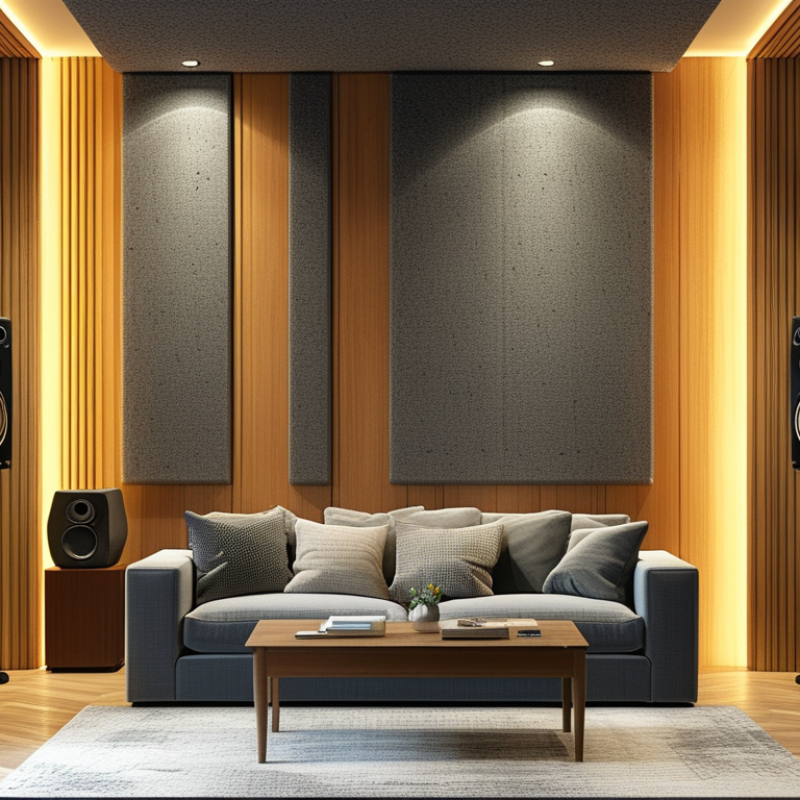
Understanding Soundproof Foam: Types and Applications
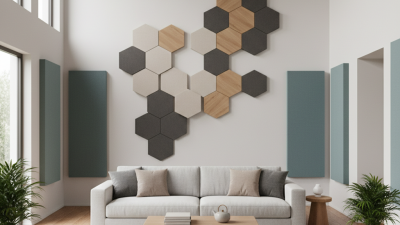
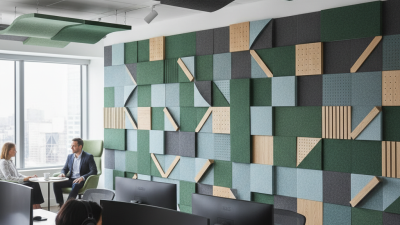
When it comes to soundproof foam, different types serve various applications. Acoustic foam panels are popular for studios. They minimize sound reflections, creating a clearer audio environment. These panels are usually wedge or pyramid-shaped, which help absorb mid to high frequencies effectively.
In contrast, soundproofing foam can be thicker and denser, aimed at blocking sound transmission. This type is often found in home theaters. They create a quieter space by reducing noise from outside. However, the effectiveness of soundproofing foam varies based on thickness and material density. Using them requires careful consideration of your specific needs.
Many users report mixed results with soundproofing solutions. Some foams may not perform as expected. Factors like room size and placement play vital roles in effectiveness. Experimentation is key to finding the ideal setup for your situation. Consider starting with a few panels and evaluating their impact before committing to larger investments.
How to Choose the Best Soundproof Foam for Your Needs? - Understanding Soundproof Foam: Types and Applications
| Type of Soundproof Foam |
Absorption Frequency Range (Hz) |
Common Applications |
Effectiveness Rating (1-10) |
| Acoustic Panels |
200 - 4000 |
Recording Studios, Home Theaters |
9 |
| Bass Traps |
60 - 250 |
Music Rooms, Live Sound Venues |
8 |
| Foam Tiles |
80 - 3000 |
Home Offices, Game Rooms |
7 |
| Soundproof Blankets |
100 - 4000 |
Theater Stages, Portable Studios |
8 |
| Underlayment Foam |
50 - 4000 |
Flooring Solutions for Apartments |
7 |
Evaluating Noise Reduction Needs for Your Space
When evaluating noise reduction needs for your space, consider the type of noise you're dealing with. Is it external noise, like traffic or construction? Or is it internal noise, such as echo from voices and music? Understand what bothers you most. This will guide your selection of soundproof foam.
Assessing the room's purpose is also crucial. A home theater requires different soundproofing than a recording studio. A quieter environment may need thicker foam or more panels. Visualize how sound travels in your space. Hard surfaces reflect sound, while soft materials absorb it. Picture your room filled with furniture, rugs, and curtains. Each element can enhance or diminish sound quality.
Many people overlook the installation process. Improperly placed panels will not perform well. You might need to try different configurations. Don't be discouraged if the first attempt isn't perfect. Experimentation can lead to better results. Pay attention to feedback from others in the space. Their insights can help refine your approach.
Key Features to Look for in Soundproof Foam
When choosing soundproof foam, focus on several key features. The thickness of the foam is crucial. Thicker foam generally absorbs sound better. Look for foam that is at least two inches thick for effective sound dampening. Density also matters. Denser foam provides better sound isolation. When testing density, compare weight across different samples.
Consider the foam's texture. The surface shape will influence sound absorption. Eggcrate patterns or wedge shapes can reduce higher frequencies. This feature helps in creating a balanced acoustic environment. Additionally, fire resistance is important for safety. Opt for foam that meets safety standards to avoid hazards.
Evaluate the installation method as well. Some foams come with self-adhesive backs, making placement easier. Others might require additional adhesives or mounting hardware. Be cautious with options that seem easy but lack durability. User reviews can provide insight, but they may not reflect long-term performance. Reflect on these factors carefully to ensure you make a well-informed decision for your specific soundproofing needs.
Comparing Thickness and Density of Soundproof Foam
When selecting soundproof foam, thickness and density play crucial roles. Thicker foam absorbs more sound waves. It can be beneficial in spaces needing extensive sound dampening, such as recording studios. A thickness of two inches or more typically offers better performance. However, thicker foam may not always be feasible for every application.
Density is equally important. Higher density foam provides greater sound absorption. It tends to block lower frequencies more effectively. For instance, a foam density of 3 to 5 pounds per cubic foot strikes a good balance for many users. In smaller areas, lighter foam might be sufficient but may not block all frequencies.
Consider your specific needs carefully. Not every foam type fits every situation. The choice may depend on your space and sound absorption requirements. Finding the right balance of thickness and density can seem overwhelming. It may take trial and error to identify what works best for you. Remember that soundproofing is often not a one-size-fits-all solution.
Installation Tips for Maximum Soundproofing Effectiveness
When installing soundproof foam, preparing the space is crucial. Begin by cleaning the walls thoroughly. Dirt and dust can hinder adhesives. Measure the area carefully to avoid cutting the foam incorrectly. Aim for full coverage for optimal results.
Placement is key for maximum effectiveness. Focus on corners and reflection points. These areas often amplify sound waves. Use a level to ensure the foam is straight. Improper installation can lead to gaps. Remember, every detail matters. You might need to try different configurations before achieving the best soundproofing.
Adhesive selection plays a significant role as well. Not all adhesives work well with foam. Test a small piece first to ensure it sticks without damage. Allow the foam to acclimate to the room temperature. This process can prevent future issues. Keep in mind, soundproofing is an ongoing journey. Each space is unique, and what works in one area may not work in another. Reflect on your results and adjust as needed.
Soundproof Foam Effectiveness Comparison

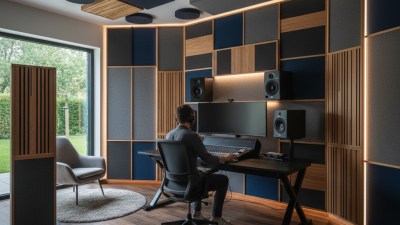
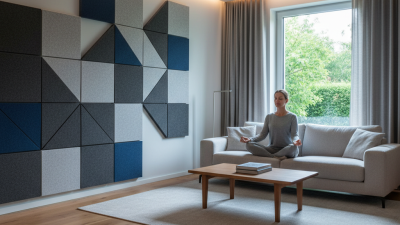
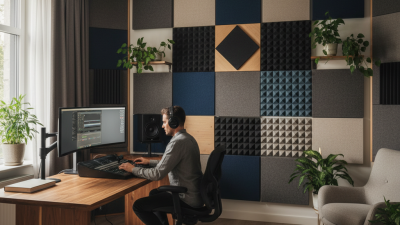
 '
'
