How to Choose Steel Trestle Legs for Your Next Project?
When embarking on a project that requires stability and strength, selecting the right Steel Trestle Legs is crucial. Industry expert John Bennett, a veteran in structural engineering, emphasizes, “The choice of trestle legs can make or break your project.” Understanding what to look for can enhance both safety and performance.
Steel Trestle Legs come in various designs and materials. Each type has unique features suited for specific applications. The right legs can significantly impact load-bearing capacity and durability. Consider the environment where they will be installed. Corrosion resistance is essential, especially in harsh conditions.
Many overlook the importance of proper measurement and alignment. Accurate dimensions ensure optimal support. Skimping on quality might save costs upfront, but it can lead to serious safety risks later. Reflect on your project's long-term needs before finalizing any decisions. Choose wisely, as the strength of your project often depends on these critical supports.
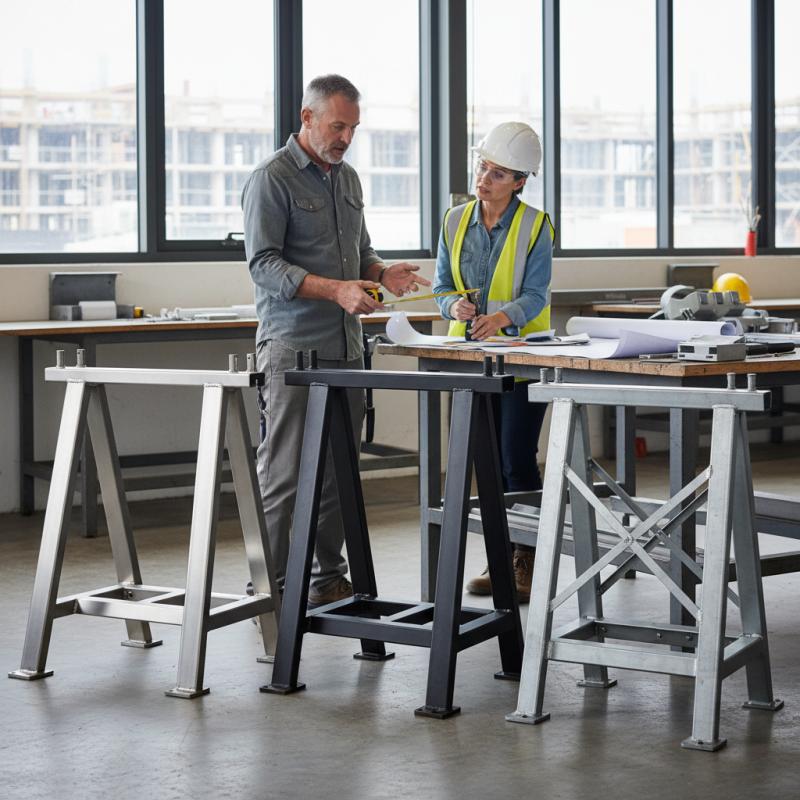
Understanding the Basics of Steel Trestle Legs in Construction
Steel trestle legs play a crucial role in various construction projects. Understanding their basics can greatly benefit builders and designers. These legs provide support and stability, often in elevated platforms or scaffolding. They are typically made of durable steel, capable of bearing heavy loads. Properly selected trestle legs ensure safety and functionality.
When choosing steel trestle legs, consider factors like height and load capacity. Determine the specific requirements of your project first. Sometimes, builders overlook these critical aspects, leading to instability. Testing the leg's strength is vital. Not all trestle legs are created equal; some may not fit well in certain situations. Pay attention to materials and finishes; corrosion resistance can also matter.
Every project is distinct. Continuously reassess your choices throughout the construction process. This can prevent costly mistakes later on. Measuring correctly helps avoid future adjustments. Reflect on your previous experiences with trestle legs — what worked? What didn't? These reflections can inform better choices moving forward.
How to Choose Steel Trestle Legs for Your Next Project?
| Dimension | Description | Material Type | Weight Capacity (lbs) |
| 4 ft | Ideal for light structures | Carbon Steel | 500 |
| 6 ft | Suitable for medium-weight applications | Galvanized Steel | 1000 |
| 8 ft | Recommended for heavy-duty use | Stainless Steel | 1500 |
| 10 ft | Designed for large structures | High-Strength Steel | 2000 |
Identifying Key Factors for Selecting Steel Trestle Legs
Choosing the right steel trestle legs is crucial for structural integrity and functionality. Key factors include load capacity, height adjustability, and material durability. A study by the American Institute of Steel Construction (AISC) highlights that choosing legs with the appropriate load capacity can prevent structural failures. When planning your project, assess the maximum load requirements.
Tip: Always check the weight specifications before making a final decision. This prevents costly adjustments later.
Height adjustability is also significant. Adjustable legs provide flexibility in varying project requirements. Consider the intended use and environment. For instance, outdoor projects may need weather-resistant finishes.
Tip: Investigate local climate conditions. This can impact your choice of material and design.
Material durability cannot be overlooked. Steel legs should withstand corrosion and wear. A report by the Steel Construction Institute reveals that protective coatings can extend the lifespan of steel components. Regular inspections are necessary to ensure safety and reliability.
Choosing steel trestle legs involves careful evaluation of these factors. Your project's success depends on these considerations meeting both standards and real-world conditions.
Evaluating Material Types and Specifications for Durability
Choosing the right steel trestle legs requires careful evaluation of materials. Steel is a popular choice for its strength and durability. Reports indicate that carbon steel is often preferred for structural applications. It offers excellent tensile strength, making it ideal for heavy loads. However, carbon steel can be prone to corrosion without proper treatment.
Stainless steel is another option, known for its resistance to rust and decay. A study found that stainless steel components could last up to 50 years in harsh environments. This longevity may justify the initial higher cost. Yet, not all stainless steel grades are equal. Selecting the right grade is crucial for maximum durability.
Impact resistance is also an important consideration. Some projects may require legs that withstand sudden forces. In such cases, high-strength alloys could be beneficial. However, these materials can be difficult to source and often come with long lead times. It's essential to balance durability with availability. Evaluating these specifications is vital to ensure the legs meet project requirements effectively.
Assessing Load Capacity and Stability Requirements
When assessing load capacity for steel trestle legs, it’s crucial to understand your project's requirements. Industry standards dictate that a trestle must withstand not only static loads but also dynamic forces. According to a report by the American Institute of Steel Construction, the minimum safety factor for structural steel components is often set at 2.0. This means the design should accommodate twice the anticipated load.
Stability is equally important. The legs must be engineered to prevent buckling under load. Reports indicate that losing even 5% of structural stability can lead to failure under stress. Additionally, a well-designed trestle system must consider environmental factors. Wind and seismic forces can impact stability, especially for taller structures. Regular calculations and simulations can help in understanding potential limitations.
It's essential to include multiple factors in your planning. Relying solely on standard specifications might not be adequate. Each project has unique needs that require tailored solutions. This approach can sometimes lead to overlooked details, creating risks. Balancing load capacity with stability requires careful analysis and constant reflection on potential shortcomings.
Considering Cost, Aesthetics, and Manufacturing Options
When selecting steel trestle legs, cost is a major factor to consider. Steel is generally more expensive than other materials. However, its durability and strength can justify the investment. It's crucial to analyze your budget alongside the expected lifespan of your project. Are you willing to invest more upfront for long-term savings? This question can lead to critical insights.
Aesthetics also play an important role in your choice. Steel can offer a modern and industrial look. Yet, not all designs fit every project. Look for options that harmonize with the overall theme. Think about how the legs will blend with other materials. Sometimes a cheap option can disrupt the flow. Be ready to explore different finishes, like powder coating or galvanizing, to enhance appearance.
Manufacturing options present another layer of complexity. Customization can add to your costs but might be necessary for unique projects. Be aware that not all manufacturers share the same standards. Do they source quality steel? Are their production methods environmentally friendly? Researching these factors can help you avoid regrets down the line. Sometimes, it's worth revisiting initial choices based on new information or feedback.

 '
'
