How to Choose the Best Sound Proof Panels for Your Needs?
In an increasingly noisy world, sound proof panels have become essential for many environments. According to the Acoustical Society of America, almost one-third of people experience disturbances from noise in their daily lives. This alarming statistic highlights the need for effective soundproofing solutions in homes, offices, and public spaces.
Experts, like Dr. Emily Cartwright, a leading acoustic engineer, emphasize the importance of choosing the right materials. She once stated, "Selecting appropriate sound proof panels can transform a noise-filled room into a serene environment." This insight reflects the necessity for thorough research when considering soundproofing options.
When faced with various choices, users often feel overwhelmed. The market offers panels made from foam, fabric, and other materials. Each type serves different soundproofing needs. It’s crucial to evaluate the specific requirements of your space, budget, and aesthetic preferences. Making informed decisions can significantly improve sound quality and overall comfort within a given area.
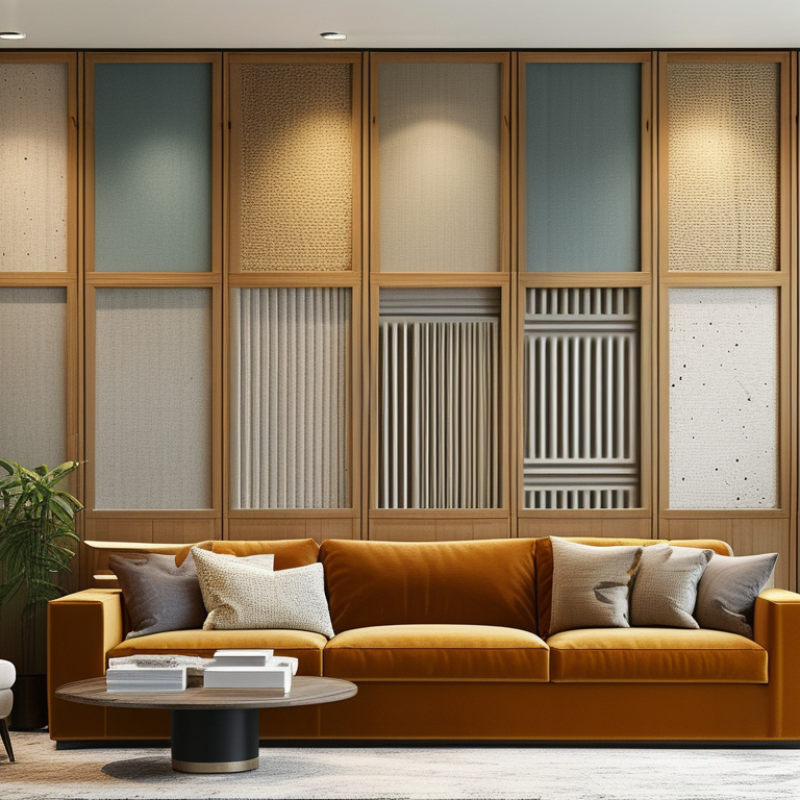
Understanding Soundproof Panels: Types and Materials
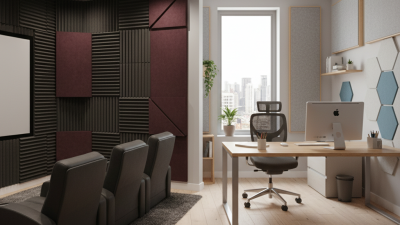
Soundproof panels are crucial for achieving a quieter environment. They come in various types and materials, each catering to different acoustical needs. Foam panels are popular for their lightweight nature and ease of installation. They effectively absorb sound waves, making them ideal for home studios and offices. However, they may not block sound completely.
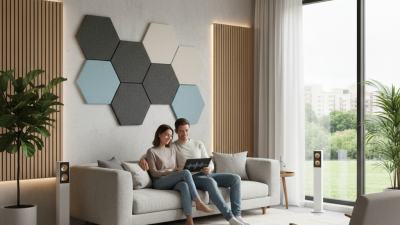
Another option is fabric-wrapped panels. These panels are made of a rigid core covered in an aesthetically pleasing fabric. They blend seamlessly into any decor while providing robust sound absorption. Wood is a classic choice too, offering both durability and natural aesthetics. But it can be more expensive.
When selecting soundproof panels, consider your specific needs. Evaluate the room's size and purpose. Reflect on potential noise sources. Not all panels perform equally; some may require additional support for maximum effectiveness. It's essential to be mindful of installation techniques. Improperly installed panels may not provide the expected results. Testing different options in your space can lead to better decisions. Remember, achieving the ideal soundproofing might take time and adjustments.
Comparison of Soundproof Panel Types
Assessing Your Acoustic Needs: Where and How You Will Use Them
Assessing your acoustic needs is crucial when choosing soundproof panels. Start by identifying the space where you will use them. Is it a home studio, a conference room, or perhaps a busy office? Each setting has unique requirements. For example, a music studio may need more absorption than a simple meeting room.
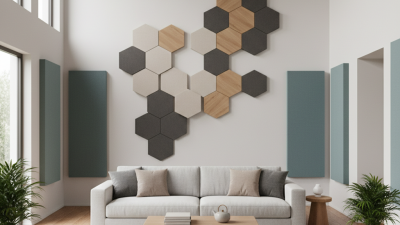
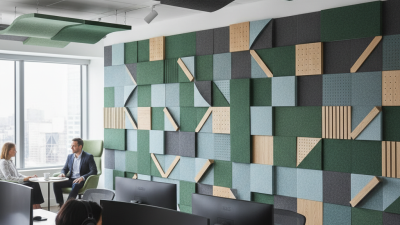
Consider the size of the area. Larger spaces may require more panels to achieve desired sound quality. Pay attention to the room layout. Wall-mounted panels are a common choice, but ceiling tiles or freestanding panels might work better in some scenarios. Think about aesthetics too. Soundproof panels come in various designs. You don’t want them to clash with your decor.
Test different materials. Some panels absorb high frequencies better, while others are good for low frequencies. Experiment with placement. Don’t hesitate to move panels around to find the best setup. You might realize that only certain walls need treatment. Remember to review your setup periodically. Acoustic needs can change over time as environments evolve.
Key Features to Look for When Choosing Soundproof Panels
When choosing soundproof panels, focus on specific features that enhance sound absorption. Look for materials with a high Noise Reduction Coefficient (NRC). An NRC rating of 0.85 or higher indicates strong sound absorption. This information is supported by the Acoustical Society of America, which emphasizes that effective materials can reduce excess noise significantly.
Density is another critical factor. Denser panels tend to block sound better. For instance, panels weighing over 2 pounds per square foot provide substantial sound isolation. Research from the International Journal of Acoustics reveals that such density can decrease sound transmission by up to 30%.
Also, consider the panel's thickness. Panels with a thickness of at least 2 inches often perform better in low-frequency noise reduction. Various studies have shown that thicker panels absorb lower frequencies effectively. These choices should reflect your specific needs, whether for home studios or noisy office environments. Balancing these elements requires careful evaluation. It is essential to assess your unique sound challenges for optimal results.
Comparing Costs and Brands: Finding Affordable Quality Options
When exploring soundproof panels, costs and brands play a crucial role in decision-making. According to industry reports, high-quality acoustic panels can range from $10 to $50 per square foot. It's essential to balance effectiveness with affordability. Some budget options might not deliver the desired soundproofing benefits. Prioritizing tested products can mitigate the risk of overspending on inferior choices.
Many brands emphasize different materials and design features. For instance, foam panels are lightweight and easier to install. However, they may not provide the same level of sound absorption as heavier, denser materials. Reports from acoustic specialists indicate that denser panels often yield a Noise Reduction Coefficient (NRC) of 0.9 or higher, indicating excellent sound absorption. Evaluating the NRC ratings of various products can guide you toward effective options.
Exploring resources like customer reviews can also shed light on unexpected downsides. Some users report that certain panels can emit odors or degrade over time, affecting aesthetic appeal. It's essential to consider durability alongside cost. Investing in reputable products might cost more upfront but often proves more economical in the long run due to longevity and effectiveness. Do thorough research before making a final choice.
Installation Tips and Maintenance for Long-lasting Performance
When installing soundproof panels, proper placement is key. Consider the layout of your room. Identify areas with the most noise pollution. Corner installations often yield the best results. Positioning panels at ear level can enhance absorption. Utilize professional tools for precise measurements. Sometimes, trial and error is needed to find the right spots.
Maintenance plays a crucial role in performance. Regularly inspect the panels for dust and debris. Cleaning them gently can prolong their life. If you notice any damage, replacing panels promptly is essential. One common oversight is neglecting the seams. These areas can compromise soundproofing if not sealed properly. Checking the panels every few months ensures they remain effective.
Understanding the materials is also vital. Different fabrics and densities offer varying levels of sound absorption. Research the best options for your specific needs. Not all panels are created equal. Some may not perform as expected. Regular reviews of your setup can help identify these issues early. Remember, achieving optimal soundproofing is an ongoing process.



 '
'
