How to Choose the Best Spray Gun for Your Projects?
Choosing the right Spray Gun can significantly impact the outcome of your projects. A quality spray gun can make painting and finishing tasks faster and smoother. However, not all spray guns are created equal. It’s crucial to consider various factors before making a purchase.
Understanding the types of spray guns available is essential. From airless to HVLP (high volume low pressure), each type has its advantages and drawbacks. For instance, airless spray guns are ideal for large surfaces. On the other hand, HVLP spray guns offer precision for detailed work. This can be confusing for beginners, leading to potential mistakes.
Practicality matters too. Think about the size of your projects. A heavy-duty spray gun may seem tempting but could be cumbersome for small jobs. A balance of versatility and control is often needed. Additionally, pay attention to nozzle sizes and paint compatibility. Identifying your specific needs will guide you in making an informed choice. Remember, a spray gun is an investment in your craft, so choose wisely.
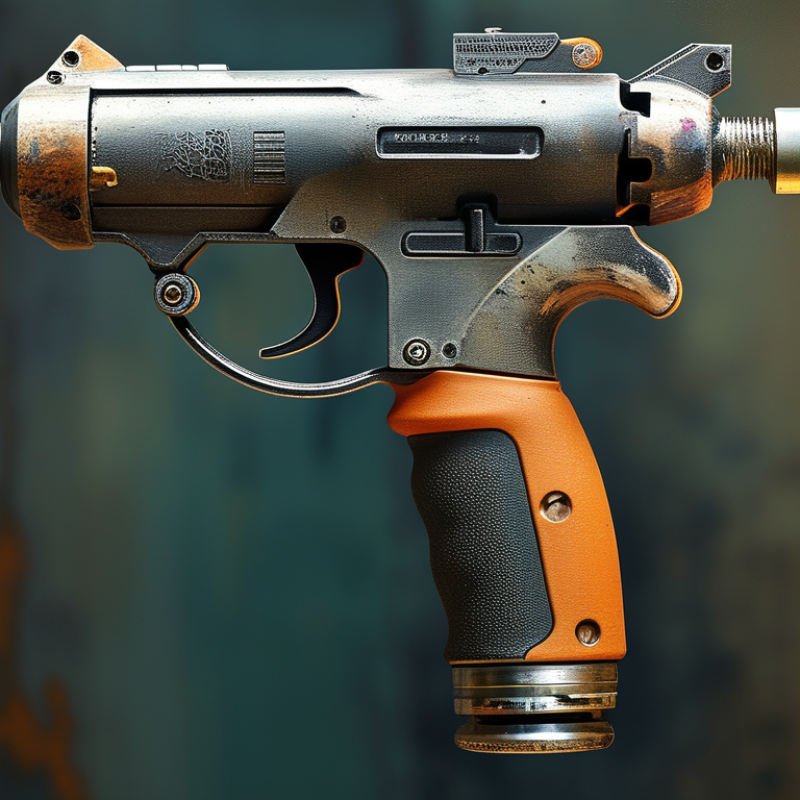
Understanding Different Types of Spray Guns Available on the Market
When selecting a spray gun, understanding the types available is crucial. There are several common types, including airless, siphon feed, and HVLP (High Volume Low Pressure). Airless spray guns use high pressure to atomize paint, making them ideal for large surfaces. They can be messy, though, so good coverage can be challenging to achieve.
Siphon feed guns are another option. They draw paint from a container below the gun. While they can be easy to use, they may not provide the same consistency as others. HVLP guns are popular for their efficiency. They use a lower pressure to produce less overspray, making them great for detailed work.
Selecting the right one depends on your project needs. Consider the type of paint you will use and the surface you plan to cover. Each gun has its strengths and weaknesses, and it may take some experience to find the best fit. Pay attention to factors such as air supply requirements and nozzle sizes. Experimenting is part of the process, as is seeing what works best in practice.
How to Choose the Best Spray Gun for Your Projects? - Understanding Different Types of Spray Guns Available on the Market
| Type of Spray Gun | Best For | Paint Viscosity | Application Method | Pros | Cons |
| Airless Spray Gun | Large Projects & Exterior Painting | High Viscosity | Mechanical Pump | Fast Application, Minimal Overspray | Expensive, Requires Skill |
| HVLP (High Volume Low Pressure) Spray Gun | Detail Work & Fine Finishes | Medium to Low Viscosity | Air Compressor | Less Overspray, Great Control | Slower Application, Not for Thick Coatings |
| LVLP (Low Volume Low Pressure) Spray Gun | Versatile Use & Small Projects | Medium Viscosity | Air Compressor | Efficient Material Use, Less Air Required | May Need Thinning for Some Paints |
| Touch-Up Spray Gun | Small Repairs & Touch-Ups | Low Viscosity | Gravity Feed | Portable, Easy to Use | Limited to Small Areas |
Key Factors to Consider When Choosing a Spray Gun
When selecting a spray gun, several key factors must be weighed for optimal results. One crucial aspect is the type of material you plan to spray. Different guns work better with specific substances. For instance, latex paint often requires a different nozzle size compared to stains or primers. Understanding the viscosity of your materials can significantly influence the gun's performance. Reports show that a spray gun's performance can be affected by viscosity differences of up to 30%.
Another vital consideration is the gun's application method. Whether it is airless or conventional, each has distinct advantages. Airless models typically offer higher pressure. In contrast, conventional guns allow for finer control. According to a 2022 market analysis, airless spray guns are popular among contractors for their efficiency, especially on large projects. However, beginners may find conventional guns easier to use, resulting in less frustration and waste.
Weight and ergonomic design also play an essential role. A spray gun that is too heavy can cause fatigue during prolonged use. Various studies indicate that ergonomically designed tools help reduce strain and improve accuracy. However, some users report discomfort with certain designs after extended use. It's imperative to consider personal comfort alongside functionality to prevent issues down the line. Balancing these factors will lead to better project outcomes.
Matching the Spray Gun to Your Specific Project Needs
Choosing the right spray gun for your projects is crucial. Different tasks demand different tools. For fine finishes, an HVLP (High Volume Low Pressure) spray gun is ideal. It offers controlled spray patterns and minimizes overspray. This makes it perfect for detailed work, like furniture finishing and cabinet painting.
For larger surfaces, consider a conventional spray gun. These tools deliver high volumes of paint quickly. They are effective for covering walls or large furniture pieces. However, be aware of their potential to create more overspray. This can lead to wasted paint and messy workspaces.
Evaluate the materials you'll be using. Water-based paints often require different settings than oil-based products. Ensure your gun can handle the viscosity of your chosen paint. It's important to test different settings on scrap materials before diving into your main project. Refining your technique can make a significant difference in the quality of your work.
Evaluating Performance Features of Spray Guns
When selecting a spray gun, evaluating performance features is crucial. Air pressure, spray pattern, and nozzle size should be your primary focus. According to industry reports, optimal air pressure for most applications ranges from 20 to 40 psi. This range ensures even paint distribution. Maintaining the right pressure can minimize overspray and improve finish quality.
Spray pattern impacts the coverage and efficiency of your projects. A wide pattern is better for larger surfaces, while a narrow pattern allows for detail work. The U.S. Painting Contractors Association indicates that using the appropriate spray pattern can reduce painting time by up to 30%. However, achieving precision requires practice. Beginners may find it challenging to maintain consistent patterns without making adjustments.
Nozzle size is another vital performance feature. A smaller nozzle is ideal for intricate details and thin materials, while a larger nozzle is better for thicker coatings. It's important to remember that using the wrong size can lead to uneven application. A study from the International Coating Institute highlights that nearly 25% of painting issues stem from improper nozzle selection. Reflection on these specifics can vastly enhance your project outcomes.
Tips for Maintenance and Care of Your Spray Gun
Caring for your spray gun is essential for achieving the best results in your projects. Regular maintenance can extend the life of your tool and ensure consistent performance. After each use, disassemble the spray gun and clean all parts thoroughly. Use warm soapy water or a suitable solvent. Pay special attention to the nozzle and needle, as contaminants can affect your spray patterns.
Another important aspect is lubrication. Applying a few drops of oil to moving parts can reduce friction and wear. Not all lubricants are suitable, so choose one that is compatible with your spray gun. It's crucial to check your gun for any signs of wear. Frayed seals or bent needles can lead to poor performance and may require replacement parts. Be mindful; ignoring these details can lead to bigger issues down the line.
Storing your spray gun properly can also enhance its longevity. Keep it in a dry, cool place to avoid rust and moisture buildup. Avoid letting paint dry inside the gun, as this can cause clogs. Revisiting your maintenance process can help you identify gaps in your routine. Reflecting on your practices will lead to better outcomes in future projects. Encounters with malfunctioning equipment can teach valuable lessons about care and attention.

 '
'
