How to Choose the Right Acoustic Foam for Your Needs?
Choosing the right acoustic foam can significantly enhance your sound environment. Acoustic foam comes in various shapes, sizes, and densities. Each type serves a different purpose, making the selection process crucial.
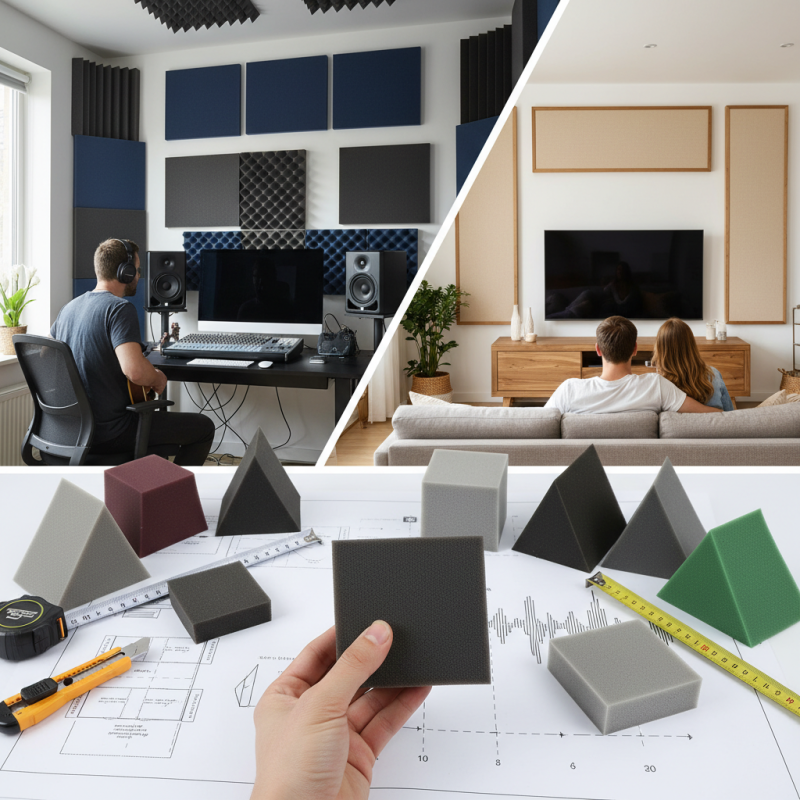
Consider your specific needs. Are you soundproofing a home studio or reducing echo in a living room? Different environments require different solutions. For example, thicker foam can absorb lower frequencies, while thinner panels handle higher notes.
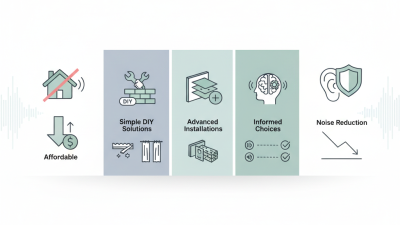
Reflect on your budget and installation process. Acoustic foam can vary in price. Installing it might seem daunting for beginners, yet many options are user-friendly. It’s essential to test and evaluate your choices, ensuring they meet your expectations. Making the right decision is a journey that involves trial and error.
Understanding the Basics of Acoustic Foam: Types and Functions
Acoustic foam is essential for sound control in various spaces. Different types of foam serve unique functions. For instance, wedge foam is common for reducing mid to high frequencies. It absorbs sound waves, leading to quieter environments. Studies show that untreated rooms can have reverberation times exceeding 2 seconds, while using foam can reduce this to below 0.5 seconds in well-designed spaces.
Open-cell foams are effective for echo reduction. They create a porous barrier, helping to trap sound energy. In contrast,
closed-cell foam is better for sound isolation. It reflects sound waves, which can be useful in ensuring privacy. According to audio engineering standards, proper absorption can increase clarity by up to
30%, making a noticeable difference in recordings and live performances.
Choosing the right acoustic foam requires careful consideration of these types. However, not all environments may benefit equally from acoustic foam. Sometimes, foam may seem excessive or ineffective in smaller rooms. In some cases, users may still experience sound issues despite installation. It’s crucial to assess specific needs and test placements before making a final commitment.
Identifying Your Acoustic Treatment Needs: Space and Purpose
When it comes to acoustic treatment, understanding your space and its purpose is vital. The first step is to assess the size of the room. A studio, for instance, may have different requirements compared to a home theater. According to industry experts, a typical recording studio requires around 30% of its surfaces covered with acoustic foam to achieve optimal sound. In contrast, a smaller space could need less.
Identifying the purpose is equally important. Are you minimizing echoes for vocal recordings, or absorbing sound for a movie night? These distinct needs dictate the type of foam you'll choose. High-density foam works well for soundproofing while lighter options may suffice for controlling reverberation in smaller settings.
Tips: Always measure your space accurately. This helps in buying the right amount of foam. Don't just focus on aesthetics; the color may matter, but function is key. Consider testing different types of foam to find the best fit for your unique conditions. You might find that one foam type performs poorly in your environment. Keep experimenting!
Evaluating Material Properties: Density, Absorption, and Performance
Choosing the right acoustic foam involves understanding key material properties. Density plays a crucial role in sound absorption. Higher density foam usually absorbs more sound energy. According to recent industry reports, foam density should ideally range from 30 to 50 kg/m³ for effective use in studios.
Absorption coefficients also vary significantly among foam options. Material that boasts an NRC (Noise Reduction Coefficient) of 0.8 or higher is considered effective. Such foams can reduce noise levels by approximately 80%. This is critical for environments like recording studios and home theaters.
Performance is not only about numbers but also practical use. Some foams may not perform well if not installed correctly. Improper placement can lead to uneven sound distribution. It’s essential to consider how the foam integrates with your space. While most foams look visually appealing, many overlook potential installation issues. Pay attention to the foam's thickness and how it interacts with existing surfaces.
Acoustic Foam Material Properties
Choosing the Right Thickness and Size for Optimal Sound Control
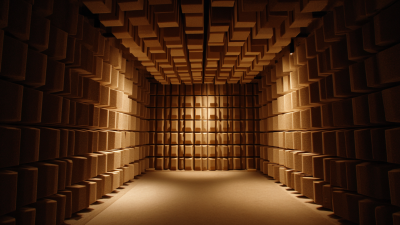
When selecting acoustic foam, thickness and size are key factors. A general rule is to opt for thicker panels if you're managing lower frequencies. These can soak up more sound waves and reduce echo. For higher frequencies, thinner options work well. However, keep in mind that every space is different.
Tips: Test before committing. Use samples to see how the foam performs in your environment. Be aware that the dimensions of the foam should match your space. Too small won’t absorb enough sound, and too large may overwhelm the room.
Consider your specific needs: recording, home theater, or relaxation. Each requires different treatment levels. Assess wall space and regions where sound reflects the most. Look for uneven surfaces for potential improvement.
Remember, perfection is not always attainable. It’s about trial and error. Analyzing your setup helps to refine choices. Acoustic treatment can be an ongoing process. Embrace adjustments as you go.
Budget Considerations: Finding Quality Acoustic Foam Within Your Range
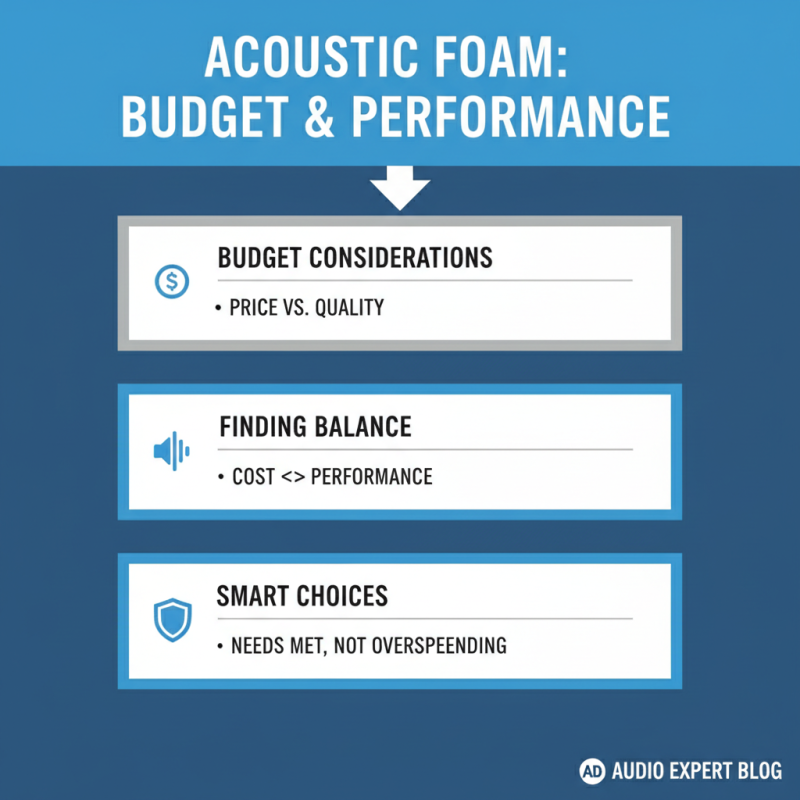
When choosing acoustic foam, budget plays a significant role. Good quality foam can be found at various price points. It’s essential to understand what fits your needs without overspending. Look for options that strike a balance between cost and performance.
Tips: Always check the density of the foam. Higher density often means better sound absorption. Consider the thickness as well; thicker panels typically provide more effective noise control. Yet, don’t just focus on price. Sometimes, cheaper options compromise on quality.
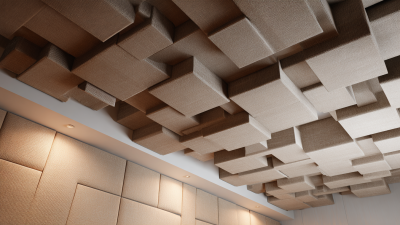
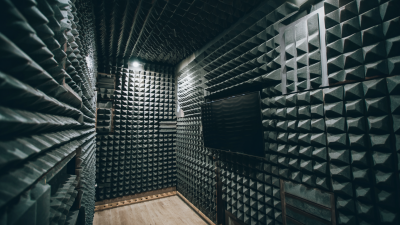
Explore different shapes and designs. Panels come in various styles, like wedges and pyramids. They affect aesthetics and sound absorption. It's tempting to select the cheapest panel, but consider the long-term benefits. Investing a bit more now may lead to better results.
Remember, not every expensive option guarantees quality. Some mid-range products perform just as well. Always read reviews and seek feedback from users. Adjust your expectations accordingly. Balancing quality with cost requires careful thought, often leading to unexpected choices.

 '
'
