How to Choose the Right Aluminum Hinge for Your Project?
Choosing the right Aluminum hinge is critical for any project. Aluminum hinges offer strength, durability, and corrosion resistance. However, not all aluminum hinges are created equal. Selecting the right type depends on your specific needs and use cases.
Consider the weight of the items you intend to attach. A lightweight door requires a different hinge than a heavy gate. Additionally, think about the environment. If your project is outdoors, corrosion-resistant options might be necessary.
Many overlook the importance of hinge size and style. The wrong fit can lead to functional issues. Take time to assess your project requirements. Involving experts can provide valuable insights. With careful consideration, the perfect aluminum hinge will enhance your project significantly.
Understanding Different Types of Aluminum Hinges Available in the Market
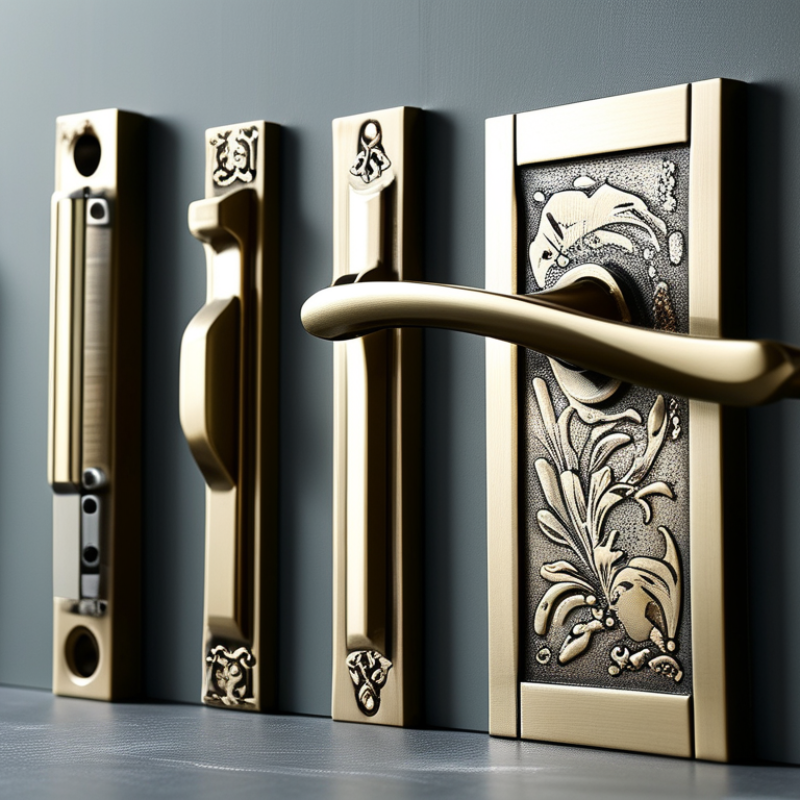
Aluminum hinges come in various forms, each tailored for specific applications. The common types include butt hinges, piano hinges, and concealed hinges. Butt hinges are typical for doors, offering durability and a clean look. Piano hinges, long and flexible, suit continuous applications like foldable tables. Concealed hinges remain hidden when the door is closed, providing an elegant finish.
When selecting hinges, consider the weight they must support. Heavier doors require robust hinges. Material gauge also impacts strength and durability. A thicker gauge typically means a sturdier hinge. Environmental conditions matter too. For outdoor use, corrosion-resistant options are crucial to ensure longevity.
Installation can also be challenging. Misalignment during fitting can lead to functional issues. Therefore, precise measurements are essential. If unsure about the type or installation process, consulting a professional can save time and frustration. The right choice enhances functionality and aesthetics, making it a vital aspect of any project.
Key Factors to Consider When Selecting Aluminum Hinges for Your Project
When selecting aluminum hinges for your project, several key factors must be considered. First, the type of application significantly influences hinge choice. For instance, heavy-duty doors require different hinges than lightweight cabinets. According to industry standards, aluminum hinges can typically support up to 85% of steel's strength while being 50% lighter. This characteristic is crucial for designs where weight is a concern.
Durability is another essential factor. Aluminum offers excellent resistance to corrosion, particularly in harsh environments. A report from a leading materials science journal indicates that aluminum can withstand extreme temperatures ranging from -30 to 100 degrees Celsius. This resilience is invaluable for outdoor applications. However, it's important to consider the environment; not all aluminum alloys are created equal. Some may not hold up as well in highly acidic or alkaline conditions.
Finally, the hinge design should match the aesthetic of the project. Whether a sleek modern look or a more traditional style, the finish of the aluminum can affect visual appeal. Be mindful of surface treatments, such as anodizing, which can enhance both durability and appearance. While there may be myriad options available, narrowing them down based on these parameters can ensure a functional and visually pleasing result.
Aluminum Hinge Selection Criteria
Evaluating Load Capacity and Durability of Aluminum Hinges
When selecting aluminum hinges for your project, evaluating load capacity is crucial. Load capacity refers to the maximum weight an aluminum hinge can support without deforming or failing. Each project has specific requirements, and knowing the load your hinge must bear helps in making an informed choice. It’s not just about the numbers; consider how the hinge will be used. Will it swing frequently? Is it exposed to harsh conditions?
Durability is another key factor in hinge selection. Aluminum offers corrosion resistance, but not all grades perform equally. Some aluminum alloys provide better strength and resistance to impact. The finish can also affect durability; anodized finishes tend to last longer in demanding environments. However, some users overlook these details, leading to hinges that wear out prematurely or fail under pressure.
Overall, balance load capacity and durability based on your project's needs. These factors are interconnected, impacting the hinge's performance and lifespan. Failure to consider them could lead to costly repairs later. Seek advice from industry experts or resources that can provide insights tailored to your specific requirements. This way, you ensure your project stands the test of time.
How to Choose the Right Aluminum Hinge for Your Project? - Evaluating Load Capacity and Durability of Aluminum Hinges
| Hinge Type | Load Capacity (lbs) | Material Grade | Durability Rating (Cycles) | Finish Type |
| Continuous Hinge | 150 | 6061-T6 | 100,000 | Anodized |
| Piano Hinge | 200 | 6063-T5 | 80,000 | Powder Coated |
| Heavy Duty Hinge | 250 | 6061-T6 | 150,000 | Anodized |
| Self-Closing Hinge | 120 | 6063-T5 | 50,000 | Brushed |
| Spring Hinge | 100 | 6063-T5 | 30,000 | Polished |
Assessing Aesthetic and Functional Design Options for Aluminum Hinges
When selecting aluminum hinges, aesthetic and functional design options are crucial. Many designers prioritize appearance alongside utility. A study by the American Institute of Architects reveals that 74% of architects consider aesthetic appeal essential in their projects. Aluminum hinges can come in various finishes, including polished, anodized, or painted surfaces, enabling different visual styles that suit modern or traditional designs.
Functionality is equally significant. Durability, load-bearing capacity, and corrosion resistance are vital factors for any project. According to a report from the Aluminum Association, aluminum components maintain strength and performance even in challenging environments. This makes them suitable for exterior applications. However, many users may overlook the importance of mechanical properties. For instance, a hinge's tensile strength will affect its longevity.
An often-ignored aspect in hinge selection is maintenance. Over time, even the best hinges can wear out. Aesthetic appeal might fade due to rust or surface wear. Regular inspections and a simple maintenance routine can greatly extend their lifespan. Finding the right balance between beautiful design and practical functionality is a challenging yet rewarding endeavor in any project.
Installation Techniques and Maintenance Tips for Aluminum Hinges
When installing aluminum hinges, precision is crucial. Begin by measuring the attachment points carefully. This ensures a secure fit and avoids misalignment later. Pre-drilling holes can prevent the material from splitting. Use a level to check alignment during installation. Proper alignment avoids future operational issues.
Maintenance is equally important for longevity. Regularly inspect hinges for signs of wear or corrosion. Lubrication is essential for smooth operation. Use a silicone-based lubricant to protect the hinge while avoiding dirt accumulation. Some people overlook this; neglecting it can lead to squeaks and binding.
Consider the environment too. Aluminum may corrode if exposed to harsh conditions. Protective coatings can enhance durability against the elements. Always revisit your installation to see if something can be improved. Reflecting on past projects can lead to better decisions in the future.

 '
'
