How to Choose the Right Drag Chain for Your Needs?
Choosing the right Drag Chain is critical in many industries. Expert Mark Reynolds, a seasoned engineer in automation, emphasizes this point: "The right Drag Chain ensures efficiency and longevity." However, selecting one can often feel overwhelming.
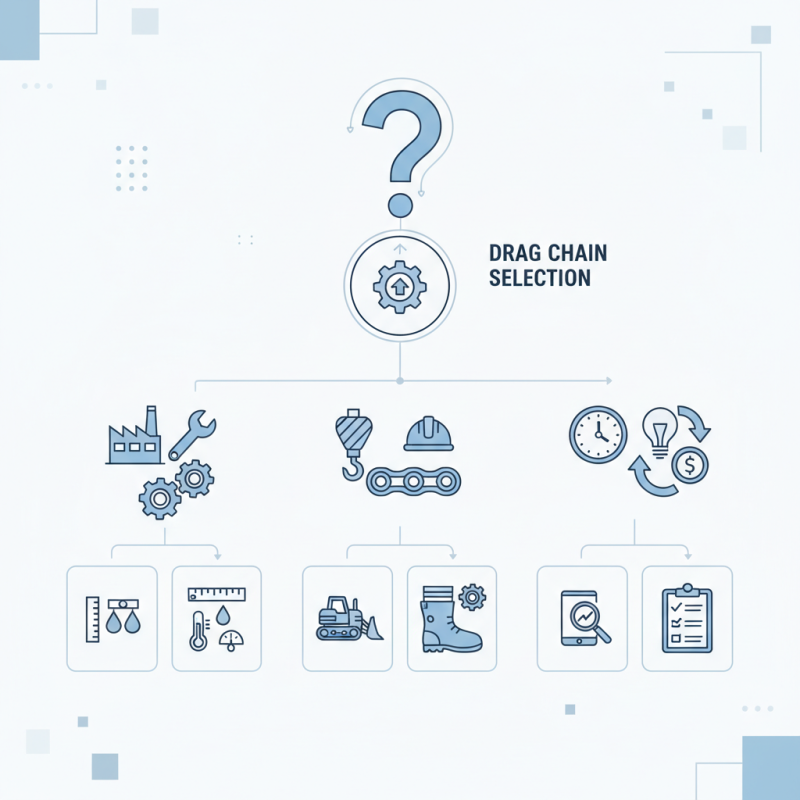
Each application has unique requirements. Factors like size, weight capacity, and environment play a key role in your decision-making process. For instance, a Drag Chain used in a factory might differ from one suitable for a construction site. Details matter. A mismatch can lead to downtime and increased costs.
Additionally, industry trends shift continually. What worked well last year may not be ideal now. Manufacturers are innovating, and staying informed is essential. It’s easy to become complacent. Reflecting on your needs regularly can improve your operations. Finding the perfect Drag Chain might take time, but it's a worthwhile investment for lasting performance.
Understanding the Purpose and Function of Drag Chains
Drag chains are essential in various industries, providing organized cable management for moving parts. Their main purpose is to protect cables and hoses from wear and tear. In environments where movement is constant, proper cable routing is crucial. This reduces risks of damage and ensures operational efficiency. You want a drag chain that accommodates the specific lengths and types of cables you use.
Choosing the right drag chain involves understanding its function. Look for materials that offer durability in your working conditions. Consider factors like temperature tolerance and exposure to chemicals. Inadequate choices can lead to frequent replacements, increasing costs and downtime. Testing different options might reveal unforeseen issues. Reflecting on previous experiences can guide your selection process.
An effective drag chain enhances performance but requires careful thought. Each application is unique. Regular evaluations of your setup can provide insights into your needs. Small adjustments can lead to better reliability. Investing time in understanding these components pays off in the long run.
Identifying Your Specific Application Requirements
When selecting a drag chain, it's vital to identify your specific application requirements. Start by considering the type of environment where the drag chain will operate. For instance, dusty or wet conditions may require a more rugged design. According to industry reports, about 30% of equipment failures are due to improper material selection in harsh environments.
The load capacity is another crucial factor. If the drag chain will carry heavy cables or hoses, it must withstand considerable weight. A study by the Manufacturing Institute found that improper load management can lead to a 20% increase in failure rates for machinery. Thus, understanding the weight and flexibility of connected components is essential.
Tips: Evaluate your operational speed. Faster movements require durable chains with less friction. Another tip is to analyze cable or hose movement. This can greatly influence the drag chain design. Always track performance metrics to refine your choices. Keeping a detailed log may reveal patterns that suggest adjustments. Remember, an informed decision today can prevent costly downtime tomorrow.
Evaluating Material and Design Options for Drag Chains
When selecting a drag chain, considering material and design options is crucial. Common materials used for drag chains include plastic, steel, and aluminum. Each comes with specific advantages. For example, plastic drag chains are lightweight and resistant to corrosion. Steel chains offer superior strength but are heavier. According to a recent industry report, over 70% of users prefer lightweight options for ease of handling.
Design plays a significant role in the drag chain's functionality. Open and closed designs are common, each serving different needs. Open designs allow for easier cable installation and maintenance. However, closed designs provide better protection against dust and debris. Research from industry experts indicates that roughly 55% of users encounter issues related to cable wear and tear. This underscores the importance of choosing the right design to minimize such risks.
Compatibility with existing systems further complicates the decision. Many users overlook this aspect, leading to potential inefficiencies. Customization options can help, but they may increase costs. A comprehensive analysis by engineering surveys found that 45% of businesses did not evaluate compatibility before purchase. This oversight can lead to underperformance in critical operations, prompting organizations to rethink their procurement strategies.
Assessing Size, Load Capacity, and Flexibility Needs
Choosing the right drag chain involves careful consideration of size, load capacity, and flexibility. Size plays a crucial role. A drag chain must fit your application space. For example, a report from the Material Handling Industry (MHI) shows that improperly sized drag chains can lead to inefficiencies and increased wear. The chain should provide ample room for cables, hoses, and other components without overcrowding.
Load capacity is another critical factor. Drag chains need to support the weight of the cables and hoses they carry. According to the International Society of Automation (ISA), using a chain that doesn't meet the load requirements can result in damage. Ensure the selected chain can handle peak loads without risk of breaking. Often, users overlook this aspect, leading to costly downtime.
Flexibility is essential for applications with dynamic movement. Chains must bend and twist without compromising integrity. Research indicates that flexible chains improve the lifespan of cables and hoses. If the chain isn't flexible enough, it could restrict movement. In many cases, users fail to analyze the need for flexibility, resulting in suboptimal performance and unexpected failures.
How to Choose the Right Drag Chain for Your Needs?
This chart illustrates the key factors to consider when selecting a drag chain, including size, load capacity, and flexibility. The data provided reflects common measurements and evaluations based on industry standards.
Considering Environmental Factors and Conditions for Usage
When choosing the right drag chain, environmental factors are crucial. Temperature variations can significantly affect drag chain performance. Reports indicate that extreme heat may lead to material degradation. Conversely, low temperatures might make the material brittle. For instance, chains made of polyamide have a recommended operating range of -40°C to 80°C. This range provides reliability in various applications.
Humidity and exposure to chemicals also play a role. High humidity can lead to corrosion, especially if the drag chains are made from metal. Using materials that resist corrosion is vital in these conditions. According to industry studies, over 30% of drag chain failures are linked to environmental conditions. Proper selection can reduce this failure rate.
It's essential to consider installation areas. Dusty environments can cause abrasion. In contrast, clean environments might allow for standard drag chains. Industrial environments require evaluation of both factors. Ignoring these could lead to expensive downtimes. Investing time in understanding the specific environmental conditions is paramount to achieving optimal performance.

 '
'
