10 Essential Tips for Choosing Industrial Curtains for Your Business?
Choosing the right industrial curtains for your business can significantly impact efficiency and safety. According to a recent industry report, businesses that invest in quality industrial curtains see a 30% increase in workspace productivity. These curtains do more than just divide areas; they can control temperature, reduce noise, and enhance privacy.
When selecting industrial curtains, consider factors like material durability and the specific needs of your work environment. For instance, vinyl curtains are great for areas that require cleanliness, while heavy-duty fabrics provide excellent insulation. Reports indicate that about 70% of businesses do not fully utilize their workspace due to inadequate partitioning solutions. This gap offers an opportunity for improvement.
Attention to detail is crucial in this decision-making process. Evaluating installation methods and maintenance needs can help avoid future complications. Many organizations overlook these aspects, leading to costly replacements. Industrial curtains are an investment in your business. Making informed choices can lead to long-term benefits and improved working conditions.
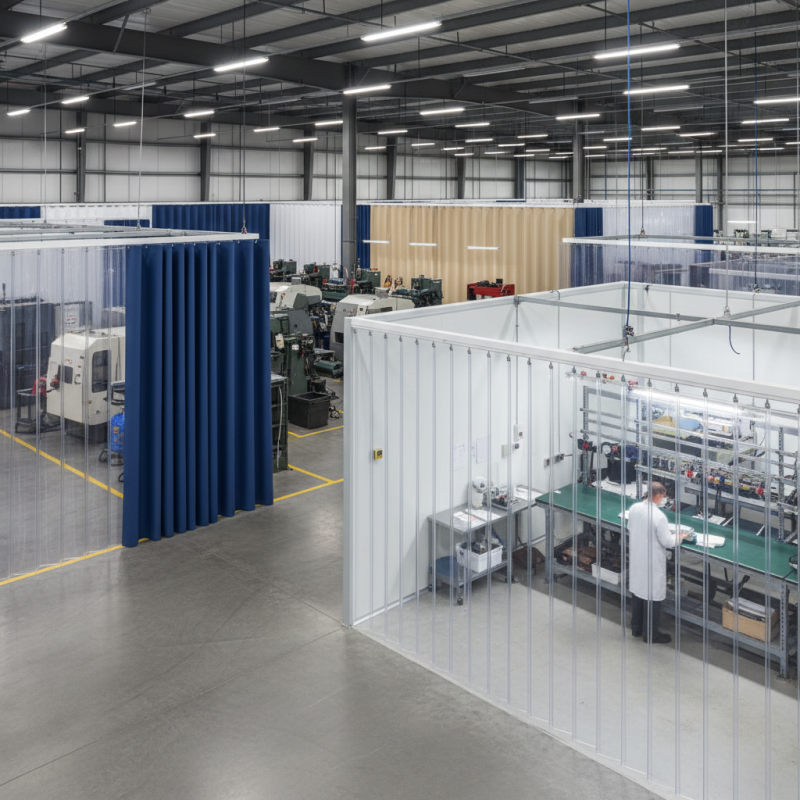
Understanding the Purpose of Industrial Curtains in Business Settings
Industrial curtains serve multiple purposes in various business settings. They create flexible spaces while minimizing noise and dust. According to a recent industry report, nearly 70% of businesses using industrial curtains observed improved workspace organization. This is crucial in factories and warehouses where efficiency is key.
Moreover, these curtains contribute to safety. By dividing areas, they can help contain spills or maintain temperature control. A survey found that about 55% of respondents noted enhanced safety when using these partitions. However, not all businesses understand the specific needs for these curtains. Choosing the right fabric and design can be challenging.
Reflecting on the selection process, many companies overlook maintenance. Regular cleaning and upkeep are essential for longevity. A report indicates that neglected curtains can lead to air quality issues. Ultimately, assessing the space and understanding needs plays a vital role. Businesses should not rush these decisions. Taking time can lead to smarter investments.
Identifying the Appropriate Material for Your Industrial Curtains
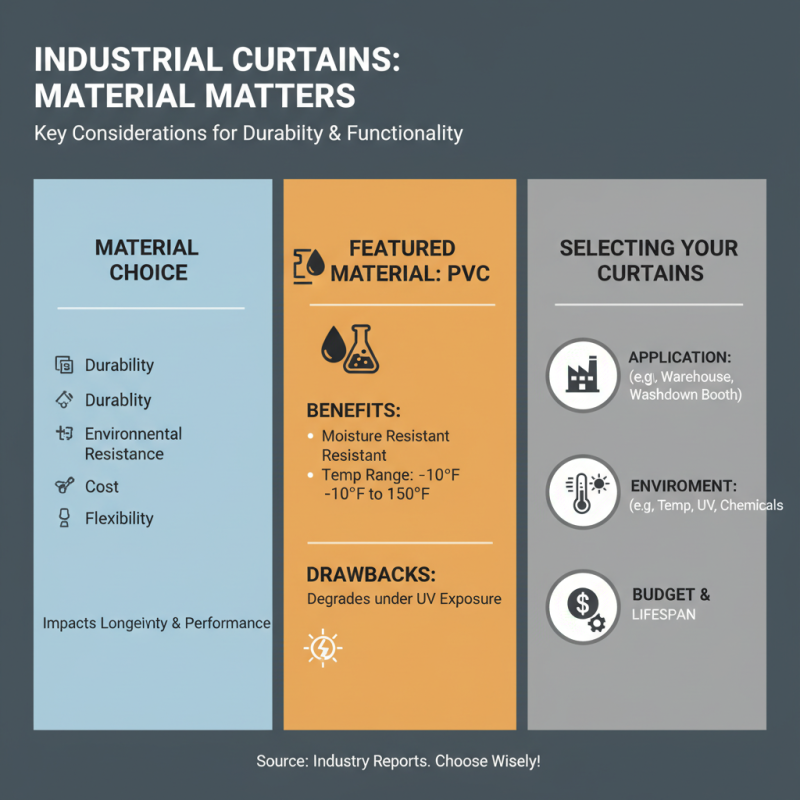
When selecting industrial curtains, the material choice is crucial. Different materials offer various benefits and drawbacks, impacting durability and functionality. For instance, PVC is popular for its resistance to moisture and chemicals. According to industry reports, PVC can withstand a temperature range from -10°F to 150°F, making it suitable for various environments. Yet, this material can degrade under UV exposure over time.
In contrast, fabric curtains often provide better aesthetics and noise reduction. Non-woven polyester is lightweight and resistant to tears, making it a common choice. However, it may not be as durable in heavy-use areas. A study conducted by the Industrial Fabric Association revealed that approximately 40% of businesses overlooked the importance of material selection, hindering their operational efficiency. While a lower initial investment may attract some, it could lead to higher costs down the line due to replacements and maintenance.
Choosing the right material can be challenging. Striking a balance between cost and durability is not easy. Additionally, the working environment will influence this decision. For facilities operating in high-traffic areas, reinforced materials may be necessary. Yet, this can limit design options. Ultimately, understanding the specific needs of the business is vital for making an informed choice.
Evaluating Different Types of Industrial Curtains for Your Needs
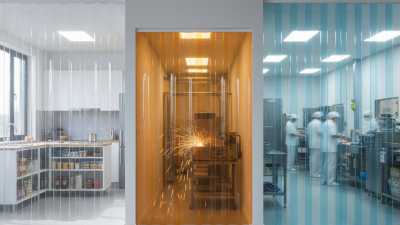
When selecting industrial curtains, understanding the various types is crucial. Vinyl curtains are durable and offer excellent protection against dust and contaminants. They come in clear options, allowing visibility while maintaining separation. On the other hand, fabric curtains provide versatility. They can be used in offices and production areas, but might require more frequent cleaning and maintenance.
It's essential to think about your specific environment. For instance, if you have heavy machinery, reinforced materials may be necessary. Consider the temperature extremes too. Some materials are better suited for cold or hot conditions. Remember, aesthetics might also play a role, especially if the curtains are in client-facing areas. Often, businesses overlook this aspect and end up with curtains that clash with their decor.
Take the time to assess your needs carefully. What works for one space may not fit another. Evaluate the layout and potential flow of movement. It’s easy to assume that standard sizes will suffice, but custom options might be the key to a better setup. Reflect on the long-term implications. Choosing the wrong type could lead to unnecessary replacements and frustration down the road.
Considering Customization Options for Optimal Fit and Functionality
When choosing industrial curtains, customization is crucial. Off-the-shelf options may not meet your specific needs. According to a recent industry report, 70% of businesses benefit from tailored solutions. Custom curtains ensure a perfect fit for your space, enhancing functionality and aesthetic appeal.
Consider material, size, and design. Heavy-duty fabrics can provide durability and better insulation. You might want curtains that are easy to clean and maintain. Glass processing plants, for instance, require flame-resistant curtains for safety. Having the right specifications not only improves the work environment but can also lead to cost savings.
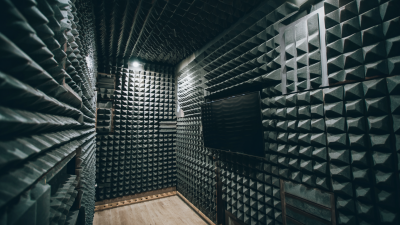
Customization allows you to cater to unique operational needs. For instance, specific industries may need soundproofing or contamination control. Custom solutions may involve taking precise measurements and selecting the right features. A common mistake is not reassessing these requirements over time. Businesses evolve, and adaptable solutions are essential for ongoing effectiveness.
Budgeting for Purchase and Maintenance of Industrial Curtains
When selecting industrial curtains for your business, budgeting is critical. Costs can escalate quickly if you're not careful. According to a recent industry report, businesses often overlook maintenance costs, which can account for 15-30% of the total investment in curtains.
Consider the initial purchase price, which varies widely. Budget-friendly options might seem appealing, yet they may require frequent replacements. High-quality curtains often have a higher upfront cost but can last longer. This leads to potential savings over time. Investing wisely may also enhance employee productivity, as studies show improved working conditions directly affect efficiency.
Tip: Regularly assess the wear and tear of your curtains. This can help you anticipate maintenance costs. Another point to remember is the importance of functional features. Consider whether your curtains need heavy insulation or fire resistance. These features can influence the price significantly.
In some cases, businesses underestimate installation costs. The complexity of your setup can add unexpected expenses. Proper measurement and installation can lead to better performance and longevity of the curtains. Review all possible expenses before making a decision.



 '
'
