10 Essential Tips for Choosing Sound Proof Curtains for Ultimate Noise Reduction
When it comes to creating a peaceful living environment, the importance of sound proof curtains cannot be overstated. As John Miller, a renowned noise reduction expert, once said, "The right curtains can transform your space into a serene oasis, shielding you from the chaos of the outside world." In today's fast-paced society, where unwanted noise can lead to stress and disruption, investing in sound proof curtains is a practical solution for many homeowners and renters alike.
Choosing the best sound proof curtains can seem overwhelming with the plethora of options available on the market. Factors such as material, thickness, and design play a crucial role in ensuring maximum noise reduction and aesthetic appeal. It is essential to understand the science behind sound insulation and how specific features can contribute to a more tranquil atmosphere. This article will provide you with 10 essential tips to guide you in selecting the perfect sound proof curtains that meet your needs and help reclaim your peace.
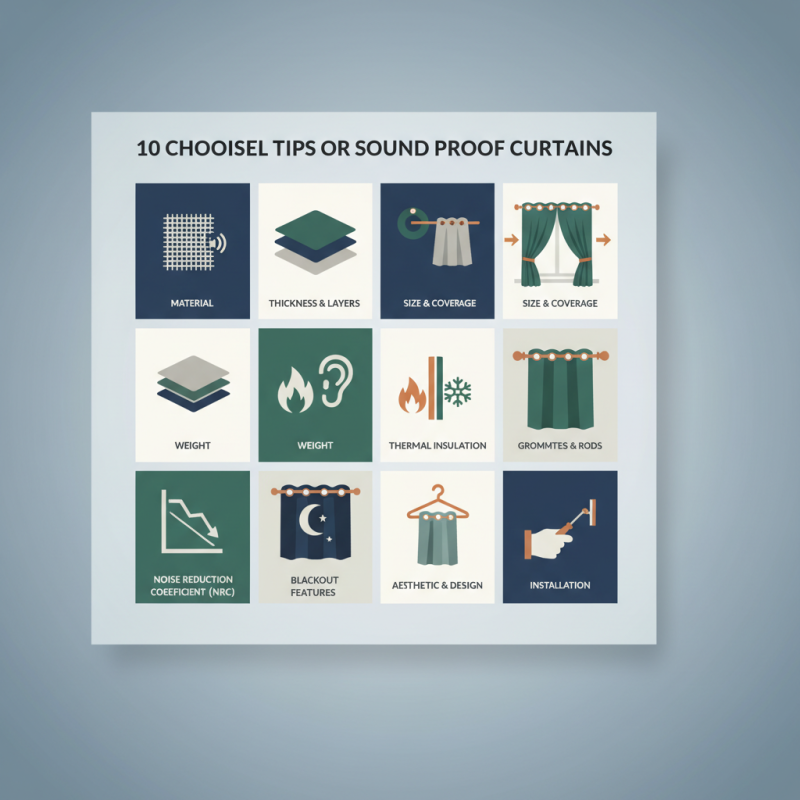
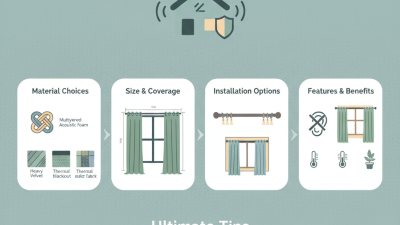
Understanding Sound Proof Curtains: Features and Benefits
Soundproof curtains are designed to minimize noise infiltration from outside sources, providing a serene environment in your home or office. These curtains typically feature multiple layers of dense fabric, which work together to absorb sound waves and reduce echoes. Unlike standard curtains, soundproof variants are crafted with acoustic properties that enhance privacy while also contributing to thermal insulation. This multi-functional aspect makes them an effective choice for anyone seeking to maintain a quiet space without sacrificing aesthetic appeal.
When selecting soundproof curtains, it's crucial to consider their features and benefits. Look for curtains that offer a heavy weight and a tight weave, as these characteristics significantly enhance noise reduction capabilities. Additionally, optical density and the use of specific materials, such as polyester or velvet, can further improve sound absorption. The benefits go beyond mere noise reduction; these curtains can also help regulate temperature, allowing you to save on energy costs while creating a comfortable living or working environment. By understanding these features, you can make an informed decision that meets your specific needs for noise control and overall ambiance.
Material Types: What to Look for in Sound Absorbing Fabrics
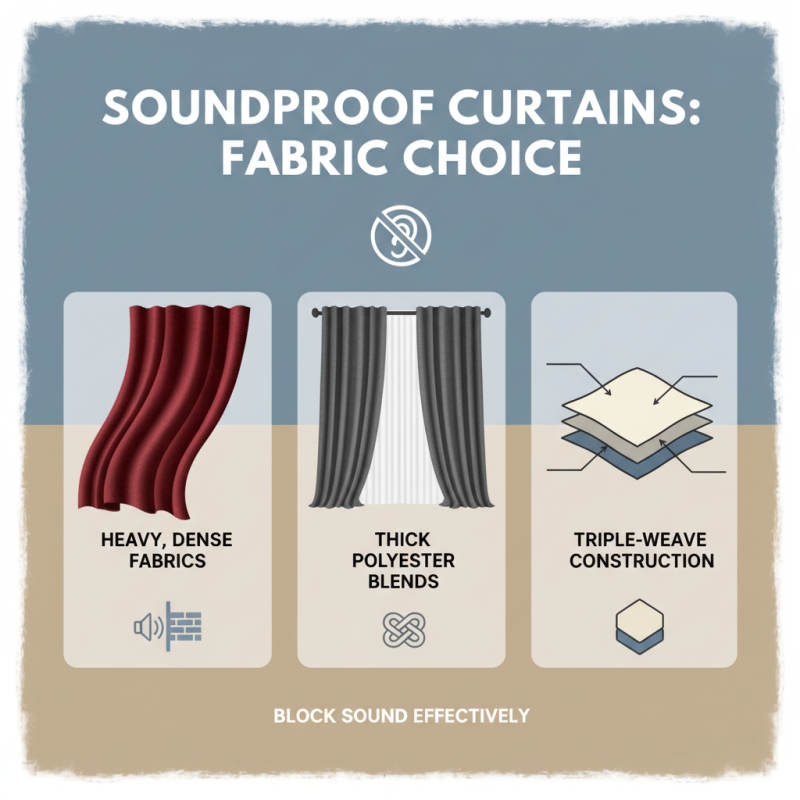
When it comes to selecting soundproof curtains for effective noise reduction, the choice of fabric is crucial. Different materials offer varying levels of sound absorption, and understanding what to look for can make a significant difference in your overall experience. Look for heavy, dense fabrics such as velvet or thick polyester blends, as they tend to block sound more effectively. Additionally, consider curtains that have a triple-weave construction, which enhances their soundproofing capabilities.
Here are a couple of essential tips to keep in mind: First, always prioritize weight. Heavier curtains will provide better noise insulation compared to lighter options. Second, opt for curtains that are lined or have additional layers, as these tend to enhance sound absorption even further. Lastly, make sure the curtains fit well within the window frame with minimal gaps to ensure maximum coverage and effectiveness against external noise.
Ultimately, choosing the right material is about balancing aesthetics with functionality. Remember to look for curtains that complement your interior decor while still serving their primary purpose of reducing noise. By focusing on high-quality, sound-absorbent fabrics, you can create a more peaceful and serene environment in your home.
Measuring Your Space: Accurate Sizing for Effective Noise Reduction
When it comes to choosing soundproof curtains,
accurate measurement of your space is crucial for effective noise reduction.
Taking precise dimensions of your windows and surrounding areas will ensure that the curtains fit perfectly,
preventing sound leaks that can diminish their effectiveness.
Start by measuring both the width and height of your windows, adding a few extra inches on each side to ensure full coverage.
This extra fabric will help buffer noise better by reducing the gaps where sound can seep in.
Consider the design of the installation as well. For maximum soundproofing,
curtains should extend from the ceiling to the floor and ideally overlap the window frame.
This way, you create a barrier that minimizes noise without interruptions.
Additionally, fabric thickness plays a vital role; opt for heavier materials
that are specifically designed to dampen sound.
When selecting soundproof curtains, always keep your aesthetic in mind while prioritizing practicality.
Look for options with a dual-purpose design if you want them to complement your interior while efficiently absorbing sound.
Remember to account for the curtain rod and any additional hardware during your measurements to maintain a seamless finish that maximizes both style and functionality.
Installation Tips: How to Properly Hang Sound Proof Curtains
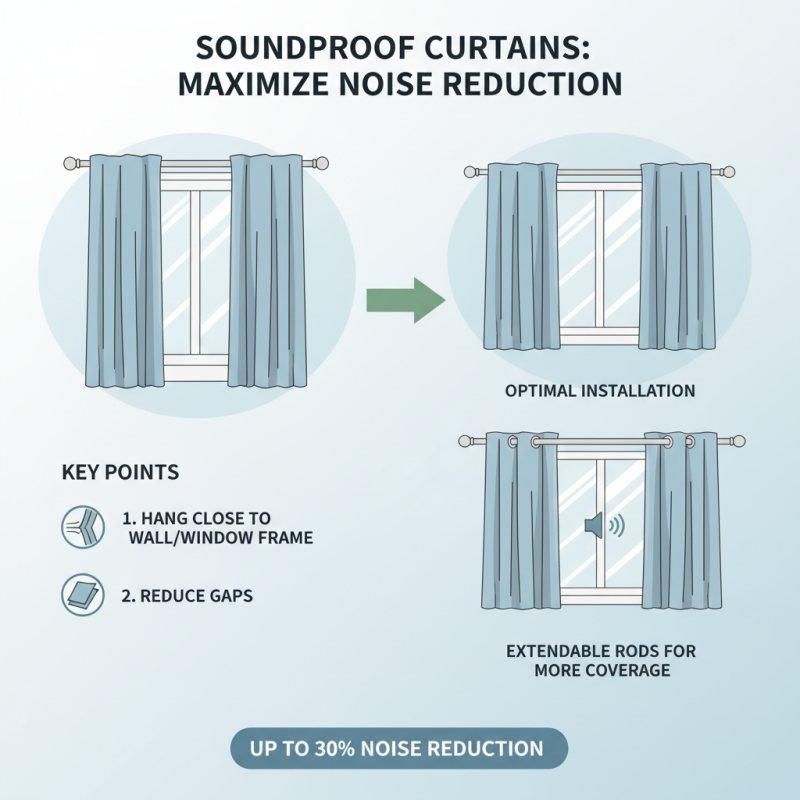
When it comes to maximizing the soundproofing benefits of curtains, proper installation is key. Studies have shown that well-hung curtains can reduce noise levels by up to 30% in spaces near busy streets or industrial areas. To achieve optimal noise reduction, it is crucial to hang soundproof curtains close to the wall or window frame rather than allowing gaps that can diminish their effectiveness. Utilizing extendable curtain rods can help you position the curtains further out, enabling them to cover more surface area which helps in blocking sound waves.
In addition to positioning, you should also consider the height of the curtains. Installing curtains from ceiling to floor is essential, as this technique enhances their acoustic properties while creating a visually appealing look. A report from the Acoustical Society highlights that floor-length curtains can trap sound more effectively than shorter designs. This method not only covers the entire window area but also reduces sound reflection from other surfaces, fostering a calmer environment. Remember to use heavy-duty hardware for installation, as sturdy brackets will provide the necessary support for thicker, more substantial curtains that contribute greatly to sound dampening.
Maintenance and Care: Keeping Your Sound Proof Curtains Effective
To ensure your soundproof curtains remain effective, proper maintenance and care are crucial. Regular cleaning is essential to prevent dust and allergens from compromising their sound-dampening qualities. Most soundproof curtains can be machine washed, but it's important to check the manufacturer's instructions for specific guidelines. Washing your curtains every few months can help maintain their appearance and functionality. Additionally, spot cleaning any stains immediately can prevent them from setting in and keep your curtains looking fresh.
Beyond cleaning, the way you hang and position your soundproof curtains can greatly influence their efficiency. Make sure they cover the entire window and reach the floor to minimize sound leakage. Checking for any gaps or spaces at the edges can help you identify areas where sound may escape. For enhanced performance, consider using curtain liners designed specifically for soundproofing. Regularly inspecting your curtains for wear and tear, such as fraying or fading, ensures that you address any issues promptly to maintain maximum noise reduction. By being attentive to these maintenance aspects, you'll maximize the benefits of your soundproof curtains and enjoy a quieter living environment.
10 Essential Tips for Choosing Sound Proof Curtains for Ultimate Noise Reduction - Maintenance and Care: Keeping Your Sound Proof Curtains Effective
| Tip Number |
Tip Description |
Maintenance Frequency |
Care Method |
| 1 |
Choose heavy fabrics for better soundproofing. |
As needed |
Dry clean regularly. |
| 2 |
Consider layering curtains for enhanced insulation. |
Monthly |
Check for any dust buildup. |
| 3 |
Ensure a proper fit to maximize noise reduction. |
Annually |
Re-measure and adjust as necessary. |
| 4 |
Opt for blackout curtains for added sound insulation. |
As needed |
Wipe with a damp cloth. |
| 5 |
Choose curtains that reach the floor for maximum coverage. |
Annually |
Inspect for wear and tear. |
| 6 |
Select colors and patterns that match your decor. |
As needed |
Spot clean stains immediately. |
| 7 |
Use curtain liners for added soundproof effects. |
Every six months |
Remove and wash according to instructions. |
| 8 |
Consider the weight of the fabric to ensure it hangs well. |
Monthly |
Check hanging and re-adjust if necessary. |
| 9 |
Select curtains with a good sound attenuation rating. |
When purchasing |
Use product guides for reference. |
| 10 |
Regularly assess the effectiveness of your curtains. |
Annually |
Adjust or replace as needed. |


 '
'
