Flexible MOQ Production is changing how brands and manufacturers balance inventory risk with production efficiency. Instead of requiring one large purchase order, suppliers may accept smaller initial runs, staged orders, or quantities adjusted across product variations. For a young brand, that could mean testing 300 units before committing to 3,000. The exact threshold depends on materials, tooling, setup time, and supplier capacity.
The business case is tied to a wider manufacturing shift. Deloitte’s 2024 Manufacturing Industry Outlook identifies supply-chain resilience and digital transformation as priorities for manufacturers. Deloitte and MAPI’s smart manufacturing research also found that 86% of surveyed executives expected smart factory solutions to become important drivers of competitiveness over the following five years. These findings do not prove that smaller orders are always better. They do show why production agility matters.
There are trade-offs. Smaller batches can raise per-unit costs, extend lead times, or limit access to custom materials. Flexible MOQ Production works best when buyers clarify pricing tiers, quality checks, reorder timing, and who owns unused components. A lower minimum is useful. But it is not the whole calculation. Before choosing a supplier, compare the landed cost and delivery risk across several realistic order sizes. That comparison can reveal an uncomfortable truth: the smallest order may be the most expensive way to learn.
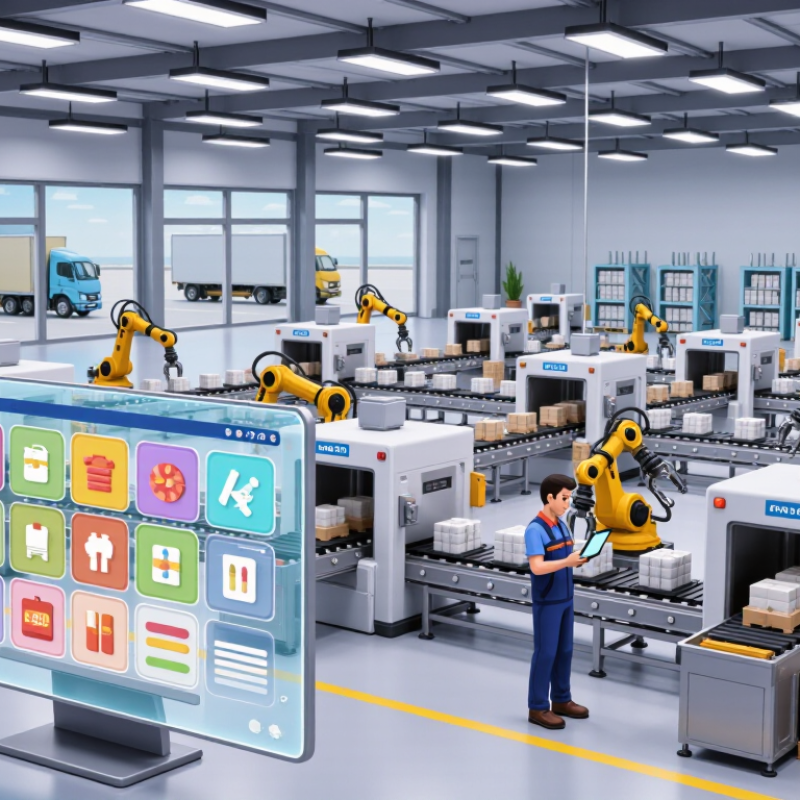
Flexible MOQ production allows a buyer to order quantities that fit a product’s stage, budget, and demand instead of meeting one fixed minimum. MOQ means minimum order quantity. Under a flexible arrangement, a supplier may accept a smaller first run, then adjust later orders as sales data becomes clearer. The exact options depend on materials, setup time, and production capacity.
For example, a small homeware maker might order 300 ceramic cups rather than 1,000. That first batch can test whether customers prefer the blue glaze or the gray one. Smaller runs may reduce unsold stock, but each item can cost more because setup and material expenses are spread across fewer units. Flexibility is not unlimited. A kiln still needs enough pieces to run efficiently, and custom packaging may have its own minimum.
The useful question is what can change between orders. Can the quantity vary while the design stays fixed? Can colors be combined in one production run? A clear written quote should specify these details, along with lead times and any fees. Details matter. Flexible MOQ does not guarantee lower costs or faster delivery; it offers room to match purchasing decisions to real demand. Suppliers may also misjudge demand, and buyers can too. That uncertainty deserves a place in the plan.
What Is Flexible MOQ Production and How Does It Work?
How Flexible MOQ Differs from Traditional Minimum Orders
Traditional minimum orders require a buyer to purchase a fixed quantity, often before demand is clear. Flexible MOQ production allows smaller initial runs, staged releases, or mixed product variations, depending on the supplier’s capacity. A factory might make 300 units across three colors instead of requiring 300 units per color. The exact terms matter: a low unit threshold may still come with setup fees, longer lead times, or limits on materials.
The difference is practical. Traditional orders can lower per-unit costs, but they tie up cash and leave more stock to store or discount. Flexible orders trade some scale efficiency for room to test demand and adjust later. McKinsey’s 2024 supply-chain survey reported that nine in ten respondents had faced supply-chain challenges in 2023. That figure does not prove flexible MOQ prevents disruption, but it shows why smaller commitments can appeal to buyers managing uncertainty. The trade-off is real.
In practice, buyers should ask whether the MOQ applies per style, color, size, or production run. They should also confirm how repeat orders affect pricing and delivery dates. A small pilot can reveal stitching consistency, packaging fit, and actual sell-through before larger quantities are committed. Still, low-volume production is not automatically cheaper. Setup costs may be spread across fewer units, and the first run can expose details the specification missed. A slightly awkward fit may only become obvious after customers try it.
How flexible MOQ differs from traditional minimum orders
Illustrative example, not industry-wide benchmarks: a traditional MOQ requires one 1,000-unit order, while a flexible arrangement allows the same total quantity to be split into smaller batches. Actual minimums, batch sizes, pricing, and lead times depend on the supplier, product, and production process.
Flexible MOQ production lets a buyer order a smaller quantity than a factory’s standard minimum, often by adjusting materials, processes, or production scheduling. The arrangement starts with a clear product brief. Share dimensions, materials, finish, target quantity, and delivery window. A sample, drawing, or reference photo helps remove guesswork.
The factory then checks which parts can be customized without disrupting its production line. For example, it may use an available fabric color but adjust the label, packaging, or dimensions.
The buyer reviews a cost breakdown, including setup charges, unit price, sampling, and shipping. Small orders can have a higher cost per item. That is worth checking early.
Next, approve a prototype or pre-production sample. Inspect its measurements, stitching, surface, and packaging under ordinary use. Changes at this stage may affect the schedule, so record each revision in writing.
Once approved, confirm the quantity, payment terms, and production dates. The factory makes the batch, performs agreed quality checks, and prepares shipment. Keep communication steady. A flexible MOQ can still involve compromises; one small detail may be overlooked, so a final sample review is useful.
Flexible MOQ production sets a minimum order quantity that can change with product design, materials, and factory capacity. It is not simply a smaller version of mass production. A supplier may accept 300 units for a standard item but require more when each unit needs a custom finish. The details matter.
Material availability is a major factor. If a fabric mill sells in rolls of 500 meters, a small run may still leave unused material or cost more per unit. Custom colors can raise the threshold because dyeing equipment needs a minimum batch. Packaging has similar constraints: printed boxes often require larger print runs than plain cartons. Simple changes add up.
Production setup also affects the minimum. A new mold, tool, or assembly line adjustment takes time and money, so spreading those costs across fewer units can make each item expensive. Seasonal demand and factory schedules matter, too. A supplier with open capacity may offer a lower MOQ than one already running full shifts. Ask what quantity applies to each component, not just the finished product. Then request a written breakdown of setup fees, material leftovers, and lead times. These figures can change after sampling; estimates are not guarantees. Buyers sometimes focus only on the unit price. That is understandable, but it can hide storage costs or unused materials. Flexible does not always mean economical.
Flexible MOQ production lets a buyer order below a supplier’s standard minimum quantity, often by sharing materials, production time, or setup costs with other orders. The exact arrangement varies. A factory may offer smaller batches for repeat designs but require more units for a new material or custom finish. Ask what the quoted minimum includes.
For a small business, lower order quantities can reduce cash tied up in stock. A run of 300 pieces, for example, may be easier to store and inspect than 3,000. Smaller batches also let teams test sizing, packaging, or customer response before placing a larger reorder. That can be useful. But per-unit costs are often higher, and shared production schedules may mean less control over timing. A delayed material shipment can affect several buyers at once.
There are trade-offs. Small runs may not justify custom tooling, and a supplier might limit colors, materials, or packaging options. Check whether samples come from the same process as the production batch; a hand-finished sample can look better than the final run. Confirm tolerances, inspection steps, lead times, and the cost of changes in writing. Flexible does not always mean predictable. Some details are easy to miss. A first order may still reveal gaps in the estimate, so leave room in the budget and schedule for adjustments.
We now offer custom-made commercial vehicle tarps, along with the ability to design your own curtains, noise panels, and strip doors—tailored to your exact needs!
At Singer Safety, we specialize in manufacturing high-performance tarps engineered to safely secure and protect your vehicle loads during transport.