10 Personal Scooter Buying Tips for Global Buyers

Buying a Personal Scooter can change a short commute, but the right choice depends on more than speed and appearance. Global buyers face different roads, climates, charging systems, service networks, and safety requirements. A scooter that performs well on smooth European streets may struggle on uneven roads, steep hills, or wet tropical pavement.

Horace Dediu, a respected micromobility analyst, has said, “Micromobility is about moving people short distances.” That simple idea matters. Buyers should examine real travel needs before comparing impressive specifications. Measure the daily route. Check the hill near home. Consider whether the scooter must be carried up stairs. A heavy model can become frustrating after one rainy week.

This guide presents ten practical buying tips for international customers. It considers battery range, charging time, braking performance, tire design, rider comfort, water resistance, folding size, maintenance access, warranty support, and total ownership cost. It also encourages buyers to verify local requirements and use suitable protective equipment. Specifications can mislead. Claimed range is often measured under ideal conditions, with a light rider and gentle speed. Real use may be different.

Some recommendations will feel obvious. They are still easy to ignore. I have seen buyers focus on motor power while overlooking spare parts and customer support. That mistake can turn a small purchase into a long delay. A careful decision may not produce the fastest scooter, but it can deliver safer, steadier, and more dependable daily travel.
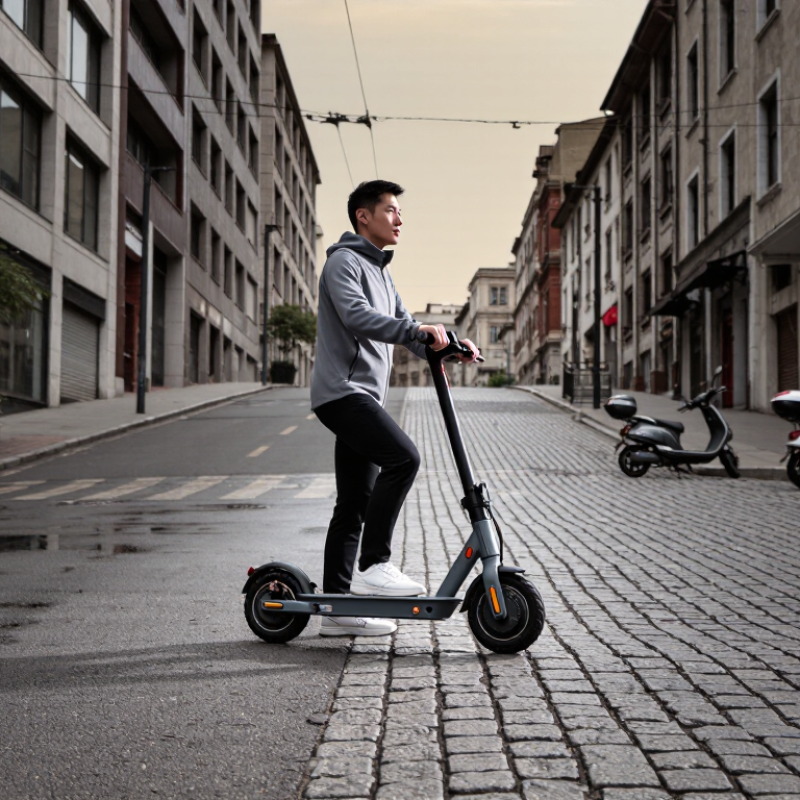
10 Personal Scooter Buying Tips for Global Buyers

Define Your Personal Scooter Needs and Riding Conditions

Define Your Personal Scooter Needs and Riding Conditions

A personal scooter should match your daily route, not just its advertised speed. Measure your usual distance, road surface, hills, traffic, and available parking space.

A short city commute may need compact handling and reliable braking. Longer journeys demand a comfortable riding position, stable range, and practical charging access.

Test the route mentally, or ride it with a notebook. Record steep slopes, broken pavement, rain exposure, and crowded intersections.

I once underestimated how tiring a narrow deck felt after thirty minutes.

That small detail changed my buying criteria. Consider your height, weight, balance, eyesight, and experience level. Beginners often benefit from predictable acceleration and simple controls.

Weather also changes the decision. Wet roads can reduce grip, while cold temperatures may affect battery performance.

Check the manufacturer’s technical data, but treat range figures as estimates. Your load, speed, temperature, and hills will alter real results. Leave a safety margin instead of planning every trip around the maximum claim.

Think about maintenance before purchasing. Can you inspect the tires, brakes, lights, and folding mechanism regularly? Are replacement parts and qualified service available in your area?

Confirm local equipment rules and helmet requirements before riding.

A scooter that fits your route but cannot be stored, charged, or maintained conveniently may become an expensive inconvenience.

Compare Scooter Types, Features, and Performance Specifications

For global buyers, scooter type should match the route, not the advertisement. Lightweight commuter scooters suit trains and smooth city streets. Dual-motor models offer stronger hill performance but add weight, cost, and battery demand. Pneumatic tires absorb broken pavement better. Solid tires resist punctures, yet they transmit more vibration. NACTO’s 2023 Shared Micromobility Report recorded 157 million trips in the United States and Canada, showing continued demand for practical short-distance travel.

Tip: Compare usable performance, not peak numbers. Check motor power, battery capacity in watt-hours, braking hardware, tire size, deck length, and total weight. A larger battery usually improves range, but hills, cold weather, rider weight, and stop-start traffic reduce it. Claimed range often reflects ideal testing. I still find those figures frustratingly optimistic. Test reports from independent laboratories and transport agencies deserve more trust than dramatic product pages.

Tip: Separate comfort from speed. A suspension system can help on rough roads, while larger tires improve stability and cornering confidence. Check the scooter’s water-resistance rating, charging time, lighting, and folding mechanism. NACTO’s data also indicates that micromobility succeeds when vehicles connect conveniently with public transport. That makes carrying weight a serious specification. Measure your stairs, elevator, and storage space before buying. A fast scooter that stays indoors is a poor purchase. Personal testing is imperfect, but it exposes practical problems early.

Check Safety Standards, Build Quality, and Rider Protection

10 Personal Scooter Buying Tips for Global Buyers

Check Safety Standards, Build Quality, and Rider Protection

Safety should shape your purchase more than speed or appearance. Check whether the scooter meets recognized safety standards in your market. Ask for clear testing documents, not vague claims. Inspect the brakes, front and rear lights, reflectors, bell, and display. Test each control while wearing the gloves you normally use. A bright headlight is useful, but it cannot replace careful riding.

Build quality appears in small details. Look for a rigid stem, smooth welds, secure cables, and a firm folding lock. The deck should feel stable beneath both feet. Solid tires resist punctures, while air-filled tires often improve comfort on rough pavement. Check battery protection, charging instructions, and water-resistance limits. Never assume “waterproof” means safe in every storm. Read the manual before paying.

Rider protection also depends on fit and habits. Choose a handlebar height that keeps your shoulders relaxed. Wear a certified helmet, visible clothing, and gloves with palm protection. Knee and elbow protection can help new riders, especially during practice. I once cared too much about range and ignored the riding posture; that was a poor decision. Take a slow test ride, listen for rattles, and inspect the scooter again after folding it. A trusted repair technician can spot weaknesses that a showroom inspection misses.

Evaluate Total Costs, Local Laws, and After-Sales Support

10 Personal Scooter Buying Tips for Global Buyers

Evaluate Total Costs, Local Laws, and After-Sales Support

The sticker price is only the entry point. Calculate shipping, import duties, local taxes, registration, insurance, protective equipment, and routine maintenance. Ask for a written, itemized quotation. Exchange rates can change before delivery. A small storage fee may appear at the port. I once underestimated replacement tire costs on a frequently used scooter. That mistake changed the real budget. Include charging electricity and secure parking. Compare three-year ownership costs, not just checkout prices. Leave a contingency fund of at least ten percent.

Rules differ sharply between cities and countries. Check permitted speed, road access, helmet requirements, lighting, age limits, and licensing obligations with official transport authorities. Do not rely solely on a seller’s message or an old forum post. Some locations classify scooters by motor output or maximum speed. That classification may affect registration and insurance. Confirm whether public charging, sidewalks, and bicycle lanes are allowed. Keep translated documents available when authorities require them. Regulations can change. Recheck them before purchase and before riding.

After-sales support matters more than polished product photos. Request warranty terms, service intervals, repair times, and available parts. Ask who handles battery diagnostics and accident-related inspections locally. A distant warehouse may make a simple brake repair expensive. Confirm support hours and the language used by technicians. Get promises in writing. Even reputable sellers can provide incomplete answers. I would test the return process with a basic question before paying. That small check reveals responsiveness. Keep invoices, serial records, and maintenance notes. Reliable support is practical, not glamorous.

Verify the Seller, Test the Scooter, and Plan Ongoing Maintenance

10 Personal Scooter Buying Tips for Global Buyers

A trustworthy seller should provide a clear invoice, battery details, service records, and realistic delivery information. Ask for the vehicle identification number and confirm that it matches every document. Check the seller’s physical address, return policy, warranty terms, and repair process before sending payment. A video call can reveal more than polished photos. I once trusted attractive pictures and overlooked uneven panel gaps. That mistake taught me to request close-up images of the brakes, tires, charging port, and folding mechanism.

Tip: Test before committing. Ride the scooter on a quiet, legal route with a helmet and suitable protection. Check acceleration, braking, steering, suspension, lights, display accuracy, and unusual sounds. Test it on a small incline, if permitted. The scooter should stop smoothly without pulling sideways. Confirm that the controls feel natural, even with gloves. Do not rush this part.

Maintenance planning matters across borders. Confirm the availability of compatible tires, brake parts, chargers, and batteries in your region. Ask who performs warranty repairs and how long common parts usually take to arrive. Record the recommended tire pressure and charging routine. Keep the scooter dry, clean its contacts gently, and inspect fasteners regularly. I used to check only the battery, but loose hardware later caused an avoidable wobble. A simple maintenance log can expose repeated problems early. Also verify local riding and charging requirements, because rules and electrical standards differ between countries.

'