Top Cosmetics Packaging Manufacturers in China?

Choosing a cosmetics packaging manufacturer in China is not just a search for attractive bottles. It is a decision about fit, consistency, and clear communication. A glossy jar may look impressive in a sample room, yet perform poorly on a filling line. Small details matter.

Packaging educator Walter Soroka’s work points to a practical principle: packaging must protect products, communicate their purpose, and function through distribution. That is a paraphrase of his professional approach, not a verified verbatim quotation. For buyers, it means examining material specifications, closure fit, decoration quality, sample consistency, and quality-control procedures—not relying on catalog photos alone. Ask how the supplier handles revisions, production tolerances, and documented checks. Then compare answers, not promises.

China’s supplier landscape includes factories specializing in glass bottles, plastic containers, airless pumps, tubes, and custom components. Capabilities vary. Some manufacturers focus on high-volume production; others may offer more flexibility for smaller runs. Confirm minimum order quantities, lead times, available testing information, and export experience directly with each candidate. If sustainability claims matter, request precise material details and supporting documentation rather than broad labels. One point can be missed: a technically recyclable component may not be accepted in every local recycling system.

This guide introduces manufacturers and practical criteria for assessing them. It does not treat any supplier as a universal choice. The best Cosmetics Packaging partner is the one whose capabilities match your product, budget, and quality requirements—and whose evidence holds up after the first sample.
Top Cosmetics Packaging Manufacturers in China?

China’s Cosmetics Packaging Industry and Its Main Product Categories

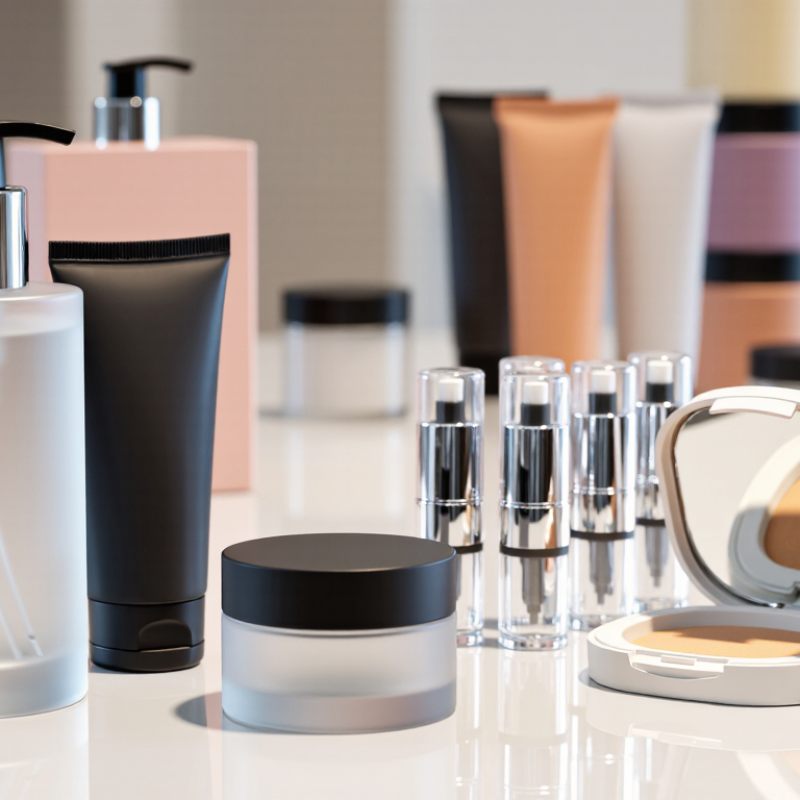
China’s cosmetics packaging industry supports a wide range of products, from basic jars to precision pump systems. Its manufacturing base includes molding, printing, coating, assembly, and component sourcing. Common categories include skincare jars, lotion bottles, serum containers, tubes, compact cases, and spray or pump bottles. Each format serves a different formula and user routine.

Small details matter. A pump’s dip tube must reach the product, while the bottle neck and closure need a consistent fit. Buyers often check leakage, drop resistance, wall thickness, and decoration durability before approving production. Glass can suit heavier, premium-feeling products; PET and other plastics are lighter and easier to transport. Material choice should reflect product compatibility and the recycling options available in the intended market.

Suppliers vary in equipment, quality controls, and documentation, so a polished sample does not guarantee every production run will match it. That gap deserves attention. Requesting material specifications, inspection records, and samples from the actual production process can help reveal inconsistencies. Decoration also needs practical testing: a glossy coating may look attractive but show scratches after handling. Packaging decisions are rarely perfect; balancing appearance, protection, cost, and material use takes careful review.

China’s Cosmetics Packaging Industry: Main Product Categories

Representative packaging formats commonly used across cosmetics categories in China.

Counts represent the examples listed here, not market share, production volume, or sales. Skincare: jars, bottles, tubes, airless pumps, and sachets (5). Makeup: compacts, lipstick cases, mascara tubes, palettes, and foundation bottles (5). Fragrance: spray bottles, travel atomizers, and sample vials (3). Hair and body care: shampoo bottles, lotion pumps, tubes, and refill pouches (4).

Common Materials and Manufacturing Processes for Cosmetic Packaging

Cosmetic packaging commonly uses glass, PET, PP, and aluminum, with each material suited to different formulas and handling needs. Glass feels substantial and limits gas transfer, but it adds weight and can break during shipping. PET is lightweight and clear, while PP suits many creams and works well for caps and jars. Material choice should account for formula compatibility, dispensing, and transport—not appearance alone. Test it.

Manufacturing often begins with injection molding for caps, jars, and compact components; blow molding forms many bottles. Glass containers are melted and formed, then annealed to reduce internal stress. Surface decoration may include screen printing, hot stamping, or labels, though coatings can complicate recycling. Pumps contain several small parts, so fit and dosage consistency need repeated checks. Practical reviews include leakage, drop resistance, and product interaction under realistic storage conditions. No single material is ideal. A sample test cannot prove long-term performance; production batches and formulas may vary. Simpler designs can be easier to sort, yet their dispensing may feel less refined.

Top Cosmetics Packaging Manufacturers in China? - Common Materials and Manufacturing Processes for Cosmetic Packaging

Packaging Component Common Materials Typical Manufacturing Processes Common Cosmetic Uses Practical Considerations
Rigid bottles and jars Glass; PET; PETG; PP; HDPE; acrylic (PMMA) Glass forming and annealing; plastic injection molding; extrusion blow molding; injection stretch blow molding, commonly used for PET bottles Perfume, skincare, cleansers, lotions, creams and serums Glass offers a substantial feel and can provide a strong barrier, but is heavier and breakable. Plastic options vary in clarity, weight, chemical compatibility and recyclability.
Caps, lids and closures PP; PE; ABS; aluminum; steel Injection molding for many plastic closures; metal stamping or forming; surface finishing and assembly Bottle caps, jar lids, compact closures and decorative overcaps Closure dimensions and sealing features need to match the container finish. Material choice can affect durability, appearance and compatibility with the formula.
Spray and lotion pumps Typically PP and PE components, with metal springs and other small components depending on design Injection molding of components; component assembly; functional testing Fine-mist products, facial sprays, lotions, liquid foundations and skincare products Output, dip-tube length, priming and seal performance depend on the pump design and product. Test the pump with the intended formula and container.
Airless dispensing packs Commonly PP and other compatible plastics; some designs combine multiple materials Injection molding; component assembly; dispensing and leakage checks Serums, creams, lotions and other products dispensed from a closed pack Airless designs use a moving piston or similar mechanism to dispense product. Compatibility, evacuation performance and pack assembly should be evaluated with the formula.
Cosmetic tubes PE; laminated plastic structures; aluminum Plastic extrusion or co-extrusion; laminate tube forming and sealing; aluminum impact extrusion; shoulder molding and cap fitting Hand creams, cleansers, sunscreen, masks and color cosmetics Barrier performance depends on the tube structure and material. Check product compatibility, decoration requirements, seal integrity and the intended disposal or recycling route.
Compacts and small cases PP; ABS; aluminum; combinations of plastics and metal Injection molding; metal stamping or forming; hinge, mirror and component assembly Pressed powder, blush, eyeshadow and solid makeup products Hinge strength, closure fit and resistance to impact are important for repeated use and transport. Designs with mixed materials can be more difficult to separate for recycling.
Folding cartons and outer boxes Paperboard and coated or printed paperboard Printing; surface finishing; die-cutting; creasing; folding and gluing Secondary packaging for bottles, jars, tubes and makeup products Paperboard protects and presents the primary pack but is not normally the product-contact container. Board grade and coatings affect strength, appearance and recyclability.
Labels and decorative finishes Paper; film; inks; coatings; metallic foil Printing; label converting; screen printing; hot stamping; coating and other surface-decoration processes Product identification and decoration on bottles, jars, tubes and cartons Adhesives, inks and finishes should suit the packaging surface and expected handling conditions. Decoration can affect sorting or recycling depending on the pack design.

Note: Material and process availability varies by packaging design and supplier. Confirm product compatibility, dimensions, sealing performance, decoration requirements and applicable local packaging regulations before production.

Leading Cosmetics Packaging Manufacturers in China and Their Specialties

China’s leading cosmetics packaging manufacturers often specialize by material and production method. Some focus on injection-molded jars and caps, offering precise color matching and smooth finishes. Others produce glass bottles with spray pumps for serums, toners, and fragrances. Airless packaging specialists serve formulas that need controlled dispensing and reduced contact with air. The right choice depends on the product, not just the factory’s catalog.

Ask manufacturers about mold ownership, sample lead times, decoration options, and quality checks. A printed sample can reveal details a digital proof misses, such as uneven coating near the neck or a cap that feels loose. Request testing records for pump output and closure fit, then compare production samples with agreed specifications. No supplier excels at everything. That is easy to forget when a price looks attractive.

Tips: Send a clear brief with dimensions, material, finish, and target order quantity. Ask for samples from the intended production process. Check how the supplier handles defects and revisions. Small details matter. A rushed choice can mean avoidable rework.

How to Evaluate Chinese Cosmetic Packaging Suppliers

How to Evaluate Chinese Cosmetic Packaging Suppliers

When assessing Chinese cosmetic packaging suppliers, look beyond catalogue photos. Request drawings, material specifications, production tolerances, and batch inspection records. Check that sample pumps dispense evenly and caps stay secure after repeated use. Ask how the supplier tests packaging against your formula; a container that looks right may still leak or affect product quality. Visit the factory or arrange an independent audit where practical. Paper certificates help, but they do not prove every production batch is consistent. Ask for evidence.

Sustainability claims also need scrutiny. The OECD’s Global Plastics Outlook (2022) estimated that the world generated 353 million tonnes of plastic waste in 2019, with only 9% recycled. UNEP’s 2023 report, Turning off the Tap, models an 80% reduction in plastic pollution by 2040 through system-wide changes. These figures make material choices and clear documentation worth checking.

Ask suppliers to identify resin types, recycled-content levels, and whether components can be separated for recycling in your target markets. Confirm minimum order quantities, lead times, tooling ownership, and how defects are handled in writing. Then test a production-representative sample—not just a hand-finished prototype. A small detail can be missed. That matters.

Sourcing, Quality Control, and Compliance Considerations

When evaluating cosmetics packaging manufacturers in China, confirm who actually makes each component. A trading office may coordinate orders, while separate factories produce bottles, pumps, and caps. Ask for the production site, material specifications, tooling ownership, minimum order quantity, and realistic lead times in writing. Details matter.

Request production samples, not only showroom pieces. Check color consistency under steady lighting, cap fit, pump output, and leakage after transport-style testing. Test the packaging with the actual formula; oils, alcohols, and active ingredients can affect materials differently. A successful sample is not proof that every production batch will match. Include inspection limits and defect-handling steps in the purchase agreement.

Quality control should cover incoming materials, in-process checks, and finished goods. Ask how the supplier records batch numbers and manages changes to materials or subcontractors. Paperwork can look complete while shop-floor practices vary, so a site audit or independent inspection can reveal gaps. Compliance depends on the destination market and product category. Request relevant material declarations, test reports, traceability records, and labeling information, then have a qualified compliance professional review them. Do not assume one certificate covers every market or formula. Even careful checks can miss an issue; keep approval samples and review early production runs.

'