Buying a booth for an international exhibition is rarely a simple design decision. Your display must travel well, assemble quickly, and represent your brand across different markets. That is why a Modular Trade Show Booth can offer practical value without sacrificing presentation. Yet modular does not mean automatically reliable. Experienced exhibitors inspect frame tolerances, graphic quality, lighting, storage, and replacement parts before approving a supplier. These details matter when a missing connector delays an opening ceremony overseas. Global buyers also need clear specifications, realistic production timelines, and documented quality checks. Promises are not enough.
This guide presents seven actionable tips for selecting, evaluating, and using a modular booth successfully. Each tip focuses on transport, installation, visitor flow, and long-term reuse. Professional suppliers should explain materials, load limits, safety documentation, and maintenance expectations in plain English. Buyers should request samples or verified project images, rather than relying on polished renderings alone. An experienced project manager can confirm packing dimensions and provide assembly guidance for local teams. Still, even careful planning has weak points. A graphic may arrive slightly darker, or a venue rule may change unexpectedly. Recognizing these risks encourages better questions and stronger contingency plans. Use this outline as a practical starting point, not a substitute for technical review. That small distinction can protect budgets, schedules, and brand credibility.
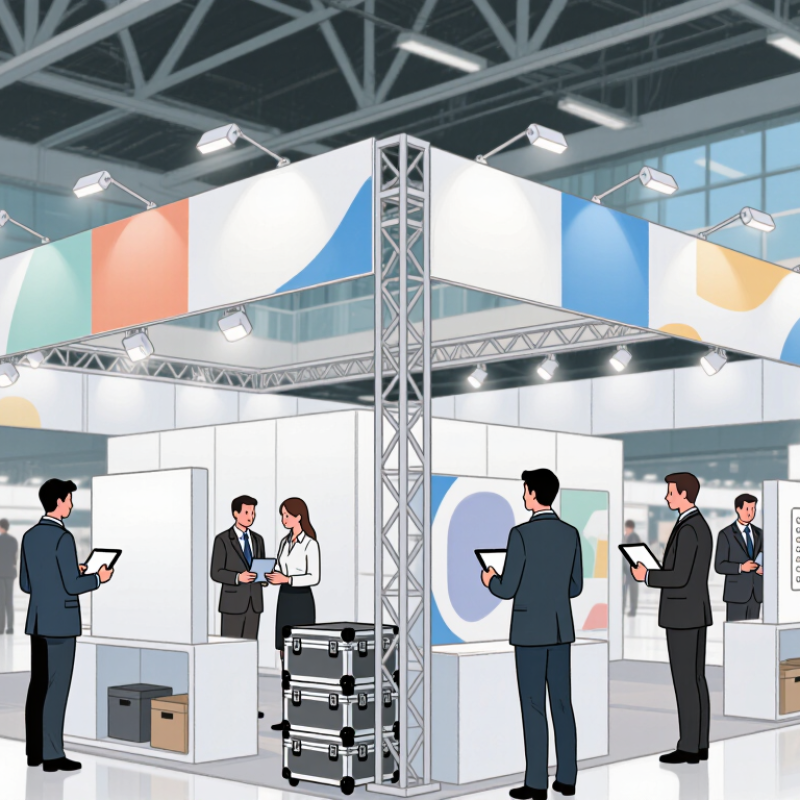
7 Modular Trade Show Booth Tips for Global Buyers
Define Modular Trade Show Booths and Their Global Advantages
A modular trade show booth uses repeatable frames, panels, shelves, lighting, and graphics. Teams can reconfigure these parts for different floor sizes and markets. Tip one: confirm dimensions, fire ratings, and venue rules before production. Tip two: choose tool-light connections. This reduces assembly errors during international setup. Tip three: use replaceable graphic skins. Local languages and product messages can change without rebuilding the structure.
Global buyers often value logistics as much as appearance. Tip four: design compact packing cases with clear labels and spare hardware. Tip five: check shipping weight, storage volume, and local labor needs. A dramatic booth may become expensive when freight and installation multiply. That assumption needs testing. UFI’s Global Exhibition Barometer, January 2024, reported that 78% of surveyed companies expected exhibition activity to increase or remain stable in 2024. Reusable systems can help organizations respond to that recurring demand.
Tip six: plan one adaptable visitor path, with a reception point, product zone, and private meeting area. Tip seven: measure performance through qualified conversations, meeting attendance, and lead follow-up. CEIR’s 2024 CEIR Index documented continued recovery in business-to-business exhibition performance, reinforcing the value of prepared face-to-face engagement. Materials also deserve scrutiny. Reuse can reduce waste, but only when components survive repeated transport. Modular is not automatically sustainable. Review repair rates, packaging, and end-of-life options with suppliers. Local access standards and accessibility requirements must remain part of the specification.
A modular booth works best when its purpose is clear. Define one measurable objective before choosing panels, counters, or lighting. You may want qualified meetings, product demonstrations, distributor inquiries, or market feedback. These goals require different layouts. A meeting-led booth needs quiet seating and visible appointment cues. A demonstration-led booth needs open sightlines, stable power access, and enough standing room.
Global buyers often scan before they stop. Use concise messages, readable type, and familiar product categories. Add translated key terms only when research supports them. Poor translation can reduce trust, so have a qualified reviewer check every phrase. Icons can help, but they should not replace necessary technical details. A small sample, working display, or comparison chart gives visitors something concrete to examine.
Observe visitor behavior during the event. Are people avoiding the entrance? Do conversations block the product area? Adjust movable elements when possible. This flexibility is a major advantage of modular design. Still, modular does not mean automatic. A booth can look polished yet miss the buyer’s real concern, such as delivery timelines, service coverage, or documentation. Ask direct questions and record recurring answers. Your original plan may need revision. That is useful evidence, not failure.
7 Modular Trade Show Booth Tips for Global Buyers
Choose portable materials, reusable components, and local services when planning an international trade show booth. Lightweight aluminum frames, fabric graphics, and foldable counters reduce shipping volume. They also simplify setup in unfamiliar venues. Reusable shelves, lights, and storage units can support several events, although small parts may disappear during repeated transport. Label every case clearly.
Tips: 1. Select tool-free connectors for faster installation. 2. Use fabric graphics that fold without cracking. 3. Choose modular counters with replaceable panels. 4. Pack spare fasteners and printed setup instructions. These details matter when the local crew has limited time. Keep the design adaptable. A 3-by-3-meter layout may need to become a corner booth elsewhere.
Local services can reduce delays and unnecessary freight. Work with an experienced installer near the venue, and confirm delivery windows in writing. Ask about storage, electrical access, waste removal, and emergency repairs. Check material fire ratings, accessibility needs, and venue requirements before production. Requirements can differ between cities. I once allowed too little time for local approval, which forced a rushed graphic change. That mistake was avoidable. Share accurate drawings, weights, and assembly photos with every supplier. A practical booth is not always the most dramatic one. It is the one that arrives complete, opens cleanly, and survives the next event.
Choose portable materials, reusable components, and local services.
The planning priority score compares practical factors for international exhibitors. Lightweight aluminum frames, reusable graphics, flat-pack parts, and local installation support can help reduce shipping complexity, repeated production, and on-site labor requirements.
A modular booth should travel as carefully as your products. Choose panels that pack into standard crates, and record every package’s dimensions and weight. Ask a freight specialist about transit time, temporary import documents, and venue delivery deadlines. Small paperwork errors can delay an entire display.
Test the booth before export. Our first overseas setup looked simple, but one connector was missing, and the replacement took three days. Now, we label every part, carry spare fasteners, and keep a printed assembly map.
Confirm the venue’s fire ratings, electrical standards, ceiling limits, and rigging procedures. Requirements differ by country and sometimes by exhibition hall. Use the official exhibitor manual, then verify uncertain details with the organizer or a qualified local contractor.
Cultural adaptation needs more than translated slogans. Check whether colors, gestures, images, and product claims feel appropriate to local visitors. Offer clear language options, but avoid literal translations that sound unnatural. Keep pathways accessible and leave room for private conversations. A local team member can review the layout and wording before production. Build a contingency budget for storage, local labor, and last-minute repairs. It may feel excessive. It is often cheaper than improvising onsite. After each event, record what confused visitors, slowed setup, or failed in transit, then adjust the next version.
7 Modular Trade Show Booth Tips for Global Buyers?
Measure Booth Performance and Improve Future Exhibitions
A modular booth should support clear measurement, not only attractive design. Track visitor flow with simple counters during busy hours. Record qualified conversations, product demonstrations, meeting requests, and follow-up consent. These figures show whether the booth attracted serious buyers or casual traffic. My team once celebrated strong attendance, but most visitors never reached the consultation area. That mistake changed our layout planning.
Tips: Set three measurable goals before the exhibition. Use a shared lead form with region, buying timeline, product interest, and consent status. Measure cost per qualified lead, not total scans. Ask staff to mark common questions after each day. Small details reveal buyer concerns that general attendance numbers hide.
Compare results by location, day, and audience type. A corner position may increase traffic but reduce meaningful conversations. Different languages can also affect demonstration completion rates. Review data within one week, while staff observations remain fresh. Then adjust module height, signage, lighting, and meeting space for the next event. Do not trust one metric. A lead may look valuable but require months of careful follow-up. Our reporting was imperfect at first, and some notes were inconsistent. That weakness made later improvements harder to prove. Reliable measurement requires disciplined staff training, clear definitions, and honest records.
| Performance Dimension | Key Metric | Measurement Definition | Current Result | Recommended Target | Data Collection Method | Priority |
|---|---|---|---|---|---|---|
| 1. Visitor Attraction | Qualified booth visitors | Visitors who match the target buyer profile and engage with the booth team for at least two minutes. | 286 visitors | Increase by 15% at the next exhibition | Digital visitor counter combined with staff qualification records. | High |
| 2. Engagement Quality | Average conversation time | Total time spent in qualified conversations divided by the number of qualified conversations. | 6.8 minutes | 8 minutes or more | Record start and finish times in a mobile lead-capture form. | High |
| 3. Product Demonstration | Demonstration participation rate | Completed demonstrations divided by qualified booth visitors. | 42% | 50% or higher | Track scheduled and completed demonstrations by product category. | Medium |
| 4. Lead Capture | Verified lead rate | Leads containing valid contact details, buyer role, purchase timeline, and product interest. | 71% | 80% or higher | Use mandatory fields and validation rules in the lead-capture system. | High |
| 5. International Reach | Buyer-market coverage | Number of represented buyer markets compared with the markets defined in the exhibition plan. | 18 markets | 20 or more priority markets | Segment leads by country or sales territory after daily data review. | Medium |
| 6. Lead Conversion | Meeting-booking conversion | Confirmed follow-up meetings divided by verified leads collected at the booth. | 24% | 30% or higher | Compare booth lead records with confirmed calendar appointments within 14 days. | High |
| 7. Follow-Up Speed | Median first-response time | Median elapsed time between lead capture and the first personalized follow-up message. | 31 hours | Within 24 hours | Use CRM timestamps to measure response time by sales territory. | High |
| 8. Modular Booth Flexibility | Layout-change completion time | Time required to reconfigure the booth for a different product zone, meeting area, or visitor flow. | 95 minutes | Under 75 minutes | Time the setup team during a documented pre-event layout rehearsal. | Medium |
| 9. Space Utilization | Active-use area ratio | Area used for demonstrations, meetings, storage, or visitor interaction divided by total booth area. | 76% | 80% to 85% | Map the floor plan and compare functional areas with total rented floor space. | Low |
| 10. Cost Efficiency | Cost per verified lead | Total exhibition cost divided by the number of verified leads generated. | US$184 | Reduce by 10% without lowering lead quality | Combine booth, logistics, staffing, travel, and marketing costs with lead records. | High |
| 11. Visitor Experience | Post-visit satisfaction score | Average score from a short visitor survey covering clarity, accessibility, and staff helpfulness. | 4.2 / 5 | 4.5 / 5 or higher | Send a three-question survey immediately after the booth interaction. | Medium |
| 12. Improvement Planning | Action completion rate | Exhibition improvement actions completed before the next event divided by total agreed actions. | 67% | 90% or higher | Assign an owner, deadline, and status to every action in the post-event review. | High |
We now offer custom-made commercial vehicle tarps, along with the ability to design your own curtains, noise panels, and strip doors—tailored to your exact needs!
At Singer Safety, we specialize in manufacturing high-performance tarps engineered to safely secure and protect your vehicle loads during transport.