What Is a Restaurant Cooler and Which Type Is Best?

A Restaurant Cooler is more than a cold cabinet. It protects ingredients, supports daily prep, and helps a kitchen keep service moving. The right choice depends on what you store, how often staff need access, and how much space the kitchen has. A compact café may favor an undercounter unit, while a busy restaurant with larger inventory may need a reach-in or walk-in cooler. Each option brings trade-offs.

This guide explains the main cooler types and what makes each suitable for different kitchens. It also considers practical details: usable capacity, door layout, shelving, airflow, cleaning access, and the space needed for installation. A display cooler may help customers see drinks or desserts, but it may not suit bulk storage. A prep-table cooler keeps ingredients close to the work surface, though its capacity can be limited. Small details matter. A door that blocks a walkway or shelves that hide stock can slow a team down.

Choosing by size alone is tempting. It is not always wise. Consider the menu, delivery schedule, peak service periods, and available floor space before comparing models. Check the manufacturer’s operating guidance, and plan for routine cleaning and temperature monitoring. For installation or capacity questions, advice from a qualified equipment professional can be useful. No single cooler is best for every restaurant. The goal is a reliable fit for the kitchen’s real workflow, even if that means rethinking an initial preference.
What Is a Restaurant Cooler and Which Type Is Best?

Define a Restaurant Cooler and Its Role in Commercial Food Storage

A restaurant cooler is a commercial refrigerator designed to keep perishable food cold during storage and service. It may be an upright cabinet, an under-counter unit, or a walk-in room. Unlike a household refrigerator, it is built for frequent door openings, larger loads, and organized access during busy shifts. Its job is practical: slow bacterial growth, protect food quality, and keep ingredients at controlled temperatures. It does not make food sterile. Not a magic box.

The 2022 FDA Food Code sets 41°F (5°C) or below as the cold-holding benchmark for time/temperature control for safety foods, subject to specified exceptions. This is a useful operating reference, though local requirements can differ. A cooler’s displayed setting is not enough evidence by itself. Staff need to check actual food temperatures with a suitable thermometer and record them consistently. Small temperature differences matter.

Good storage depends on layout as much as refrigeration. Keep raw meat below ready-to-eat foods, leave room for cold air to circulate, and avoid packing shelves tightly. Overloading is an easy mistake, especially before a rush. Door openings and warm deliveries can also raise internal temperatures, so check vulnerable items after busy periods. A cooler supports safe storage, but careful handling still matters.

Compare Reach-In, Walk-In, Prep, and Display Cooler Types

What Is a Restaurant Cooler and Which Type Is Best?
Compare Reach-In, Walk-In, Prep, and Display Cooler Types

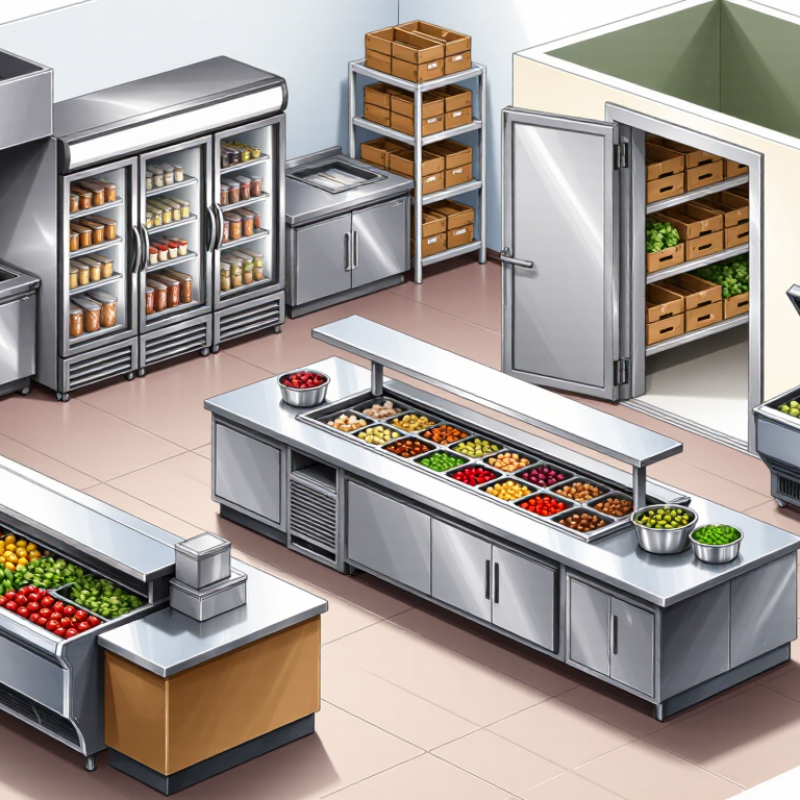
A restaurant cooler keeps ingredients at controlled temperatures, but the right style depends on how staff work. Reach-in coolers suit busy kitchens that need quick access to dairy, sauces, or a few pans of produce. They fit along a wall and keep frequently used items close. Space matters. A walk-in cooler stores larger deliveries, cases, and prepared foods, making it useful for restaurants with higher volume. It needs enough floor space and thoughtful shelving, or items can get buried in the back.

Prep coolers combine chilled storage with a work surface and ingredient rail. They are practical for sandwich stations and salad lines, where cooks reach for toppings between orders. Display coolers keep drinks, desserts, or ready-to-serve items visible to customers. Their glass doors or open fronts can help sales, but frequent opening may affect temperature consistency. The best choice is not always obvious; a small kitchen may need more accessible storage, not simply more capacity.

Tips: Measure doorways, aisles, and installation space before choosing. Check that shelves fit your pans and containers. Keep a thermometer inside, and record temperatures during busy periods. One detail is easy to miss: staff need clear access when the kitchen is crowded.

Match Cooler Capacity and Layout to Kitchen Workflow and Inventory

What Is a Restaurant Cooler and Which Type Is Best?

Match Cooler Capacity and Layout to Kitchen Workflow and Inventory

A restaurant cooler protects ingredients while keeping them accessible during service. The best type depends on what you store and how often staff reach for it. A reach-in suits smaller kitchens and frequent ingredient access. A walk-in handles larger deliveries and bulk storage. A prep-table cooler keeps commonly used items near the assembly line. Measure peak inventory, not just an average week. A cooler that is packed to the door can block airflow and slow down service. That detail is easy to miss.

Tips: Track deliveries and busy-day stock for two weeks. Estimate shelf space for pans, crates, and tall containers, then leave room for air circulation. Keep raw ingredients below ready-to-eat foods, and label shelves by station. The FDA Food Code 2022 recommends holding cold food at 41°F or below; check temperatures with a calibrated thermometer, not a quick glance at the display.

Layout matters as much as capacity. Place a prep cooler beside the work area, but keep its doors clear of traffic. Use a walk-in when bulk items need organized zones and staff can retrieve them without crossing the kitchen. ENERGY STAR reports that certified commercial refrigerators use about 20% less energy than standard models. Efficiency is useful, but the wrong layout still wastes steps. Revisit the plan after a menu change; inventory habits shift, sometimes before anyone notices.

What Is a Restaurant Cooler and Which Type Is Best?

Typical capacity ranges by cooler format (cubic feet)

Cooler capacity varies by model; these ranges are representative, not fixed standards. Match the format to your workflow: undercounter units keep ingredients close at a station, prep tables combine refrigerated storage with a work surface, and reach-ins offer progressively more storage for larger inventories.

Apply the FDA Food Code’s 41°F (5°C) Cold-Holding Limit

A restaurant cooler keeps perishable food cold, but its design affects daily work. A reach-in cooler suits line cooks who need quick access to sauces, produce, and prepared ingredients. A walk-in cooler offers more capacity for bulk deliveries and large containers. Either type can work if it holds food at a safe temperature and fits the kitchen’s workflow. Capacity matters. Still, an oversized unit may waste energy, while a crowded one can block airflow.

The FDA Food Code sets 41°F (5°C) as the maximum temperature for cold-held time/temperature control for safety foods. The Food Code is a model code, so check local requirements. Measure the food, not just the cooler’s display. Air readings can change quickly when the door opens. Use a calibrated probe thermometer, and check a container near the warmest area. Small details matter. Door seals, blocked vents, and frequent opening can push temperatures upward.

Keep raw meat below ready-to-eat foods to reduce the risk of drips contaminating prepared items. Do not pack shelves tightly; cold air needs room to circulate. Record temperatures at consistent times, and investigate readings above 41°F rather than assuming the display is wrong. If food has been above the limit, follow your local food-safety procedures before serving it. A cooler can look spotless and still have uneven temperatures, so regular checks are worth the extra minute.

What Is a Restaurant Cooler and Which Type Is Best? — Apply the FDA Food Code’s 41°F (5°C) Cold-Holding Limit

Cooler type Typical use Space and access Main advantages Considerations Best fit
Reach-in refrigerator Daily storage of ingredients and prepared foods in kitchens with limited storage needs. Upright cabinet with shelves; staff access items through one or more doors. Convenient access, organized shelving, and a smaller footprint than a walk-in. Capacity is limited; frequent door opening and overloading can affect temperature recovery. Small or mid-sized kitchens needing accessible, general-purpose cold storage.
Walk-in cooler Bulk storage of boxed ingredients, produce, dairy, and other refrigerated foods. Room-sized refrigerated space; shelving or racks are arranged inside. High storage capacity and room to organize larger deliveries. Requires more floor space, installation planning, and disciplined storage organization. High-volume operations with substantial refrigerated inventory.
Undercounter refrigerator Keeping a limited selection of ingredients close to a workstation. Compact unit installed beneath a work surface or counter. Saves steps and makes frequently used items easy to reach. Lower capacity than an upright or walk-in; airflow around the unit must not be obstructed. Compact kitchens, beverage stations, or individual prep areas.
Refrigerated prep table Holding ingredients used during assembly of items such as salads, sandwiches, or pizzas. Worktop with refrigerated storage below and ingredient pans or compartments above. Combines a work surface and nearby ingredient storage. Ingredient wells may be exposed during service; monitor food temperatures and follow the unit’s operating instructions. Fast-paced assembly lines where ingredients need to be close at hand.
Display refrigerator Displaying packaged or ready-to-serve chilled items for customers or staff. Front-facing shelves, often with glass doors or an open display design. Makes products visible and accessible at a service or sales area. Display configuration and frequent access can affect temperature control; verify that the unit is suitable for the intended food and use. Cafés, delis, and service areas displaying chilled products.

Cold-holding rule: Under the FDA Food Code, time/temperature control for safety (TCS) food held cold generally must be maintained at 41°F (5°C) or below. Check food temperatures with an appropriate thermometer; a cooler’s air-temperature display alone does not confirm that every food item is at the required temperature. Local requirements may vary.

Check NSF/ANSI 7 Certification and Energy Ratings Before Choosing a Cooler

A restaurant cooler stores ingredients at controlled temperatures, but the right type depends on your menu, space, and daily workflow. Before comparing reach-in, undercounter, or walk-in models, check the exact model’s NSF/ANSI 7 certification. This standard evaluates commercial refrigerators and freezers for sanitation and temperature performance. A sales page may mention certification generally; confirm the model number in a reliable certification listing.

Then consider energy ratings. ENERGY STAR certification, where available for the equipment category, can help identify efficient models. Compare the rating with usable capacity, door style, and expected workload. A cooler opened every few minutes may use more energy than its label suggests. Look at annual energy-use estimates, and ask how they were measured. Small details matter.

Match the cooler to your kitchen’s busiest hour, not just its floor plan. A reach-in may suit a compact line, while a walk-in can make sense for bulk storage. Check door seals, airflow clearance, and whether staff can reach products without blocking vents. Ratings are useful, but they cannot predict every kitchen. Real operating costs may differ. That uncertainty is worth planning for.

'