Top Rounders Set Manufacturer in China for Wholesale?

Choosing a top Rounders Set manufacturer in China requires more than comparing unit prices. Wholesale buyers need to assess material consistency, stitching, bat finish, packaging, and the supplier’s ability to repeat specifications across orders. A sample may look excellent. The next batch must match it.

The Sports & Fitness Industry Association’s 2024 Topline Participation Report recorded 242.3 million Americans taking part in at least one sport or fitness activity during 2023. This is broad participation data, not a measure of Rounders Set sales. It still offers useful context: active recreation creates varied equipment needs, while buyers should validate demand in their own markets. Details matter.

For a practical supplier comparison, this guide will examine product options, customization, quality checks, communication, and wholesale order planning. Ask for clear product specifications, close-up photos, and a sample before confirming a large order. Check that the bat, ball, and carrying bag suit the intended age group and playing environment. Small details can be missed. They deserve a second look.

E-E-A-T depends on verifiable evidence, so this introduction does not invent an expert quotation. No source article or independently verifiable quotation from a named Rounders Set manufacturing expert was provided. SFIA’s report is attributed to its publisher; it does not establish a manufacturer’s expertise. The comparison ahead should therefore rely on documented specifications, sample inspection, and transparent supplier claims—not unsupported promises.
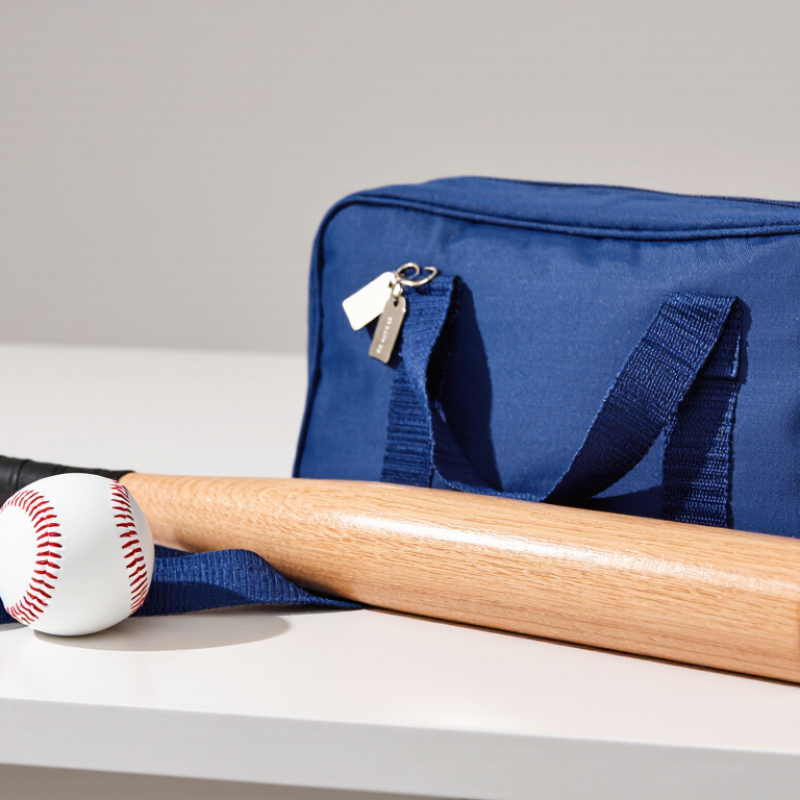
Top Rounders Set Manufacturer in China for Wholesale?

What Is a Rounders Set and What Does It Include?

A rounders set is the basic equipment needed to mark a pitch and play a simple batting-and-fielding game. A standard set usually contains a rounders bat, a ball, and four posts or bases. The posts mark scoring points around the pitch; some kits use flexible bases instead. Check their height, stability, and visibility before ordering. Bright colours help players spot them on grass. A bat should feel manageable in the hand, while the ball should suit the players’ age and experience. Kit contents vary, so wholesale buyers should confirm dimensions, materials, and replacement-part availability rather than relying on the product name alone.

There is no single perfect configuration. It depends on where the set will be used. For schools, clubs, or community play, a carry bag and clear setup instructions can save time.

A 2019 Lancet analysis of 298 surveys, covering about 1.6 million adolescents in 146 countries, found that 81% did not meet recommended activity levels. That figure supports making organised play easier to access, though a rounders set alone cannot solve inactivity.

Before purchase, check that the posts remain secure on the intended surface and that the ball is easy to see. Small details matter. They are often overlooked.

How Are Rounders Sets Manufactured in China?

How Are Rounders Sets Manufactured in China?

Manufacturing usually begins with a product specification covering bat dimensions, ball weight, and base layout. Factories source suitable materials, then shape wooden or molded-plastic bats according to the agreed design. Balls may be made from rubber or synthetic materials, using molding and finishing processes. Bases and posts are produced separately, then packed with the playing equipment. Methods vary by factory and set type.

Tips: Ask for material details and a pre-production sample. Check bat finish, ball seams, and base stability. Small differences matter.

Quality checks can include measuring bat length, inspecting surfaces for splinters or sharp edges, and testing whether balls retain their shape after repeated use. Workers may also compare packed sets against a component checklist to catch missing pieces. Request clear inspection criteria before production. A sample can reveal issues that a written specification misses. Still, one sample cannot guarantee every batch will be identical, so ongoing checks are worthwhile.

How Rounders Sets Are Manufactured in China

The chart shows a typical production sequence, from material selection to final inspection and packing. The numbers indicate step order, not production time or volume; exact processes vary by product and factory.

Which Materials and Quality Standards Matter?

For wholesale rounders sets, material choice should match repeated outdoor use, not just a low unit price. Hardwood bats feel solid, but their weight and finish can vary. Check straightness, smooth edges, grip security, and any cracks around the handle. A frequent sourcing blind spot is the coating: a glossy surface may conceal rough grain or uneven finishing.

Use measurable specifications. Rounders England’s published playing rules specify a ball weighing 70 g with an 18 cm circumference. Ask suppliers to check both dimensions across production batches, not only on a sample. For children’s sets, review ISO 8124-1:2022 for mechanical and physical safety, and request relevant test documentation. EN 71-3 addresses migration of certain elements from accessible materials; it does not certify the whole set. Details matter.

For balls, compare seam strength, shape retention, and grip after light moisture exposure. For bats, request wood species, finish details, and a documented inspection method. Test a few pieces from different cartons. Small inconsistencies can become a warehouse-wide problem. There is no single best material for every buyer, and I would not treat a certificate as proof of lasting durability. Ask for batch records and clear acceptance limits before placing a large order.

Top Rounders Set Manufacturer in China for Wholesale? - Which Materials and Quality Standards Matter?

Use this sourcing checklist to compare rounders sets. Material grades and inspection limits should be confirmed in the purchase specification; there is no single global standard covering every rounders set.

Set Component Common Materials and Practical Specifications Quality Checks to Request Relevant Standards or Compliance Considerations
Bat Solid hardwood, such as ash or beech, is common; laminated wood and moulded plastics are also used. Specify length, weight, handle shape, finish, and acceptable surface defects. Check dimensions and weight against the approved sample; inspect for cracks, splinters, loose layers, sharp edges, and uneven coating. Test the handle and bat face for secure construction. Request wood species and origin details. FSC chain-of-custody claims should be supported by valid certification where specified. Avoid presenting a buyer-set bat size as a universal rule.
Ball Depending on the intended use, balls may have a rubber or synthetic core with a leather, synthetic-leather, or textile cover. Define circumference, weight, firmness, and intended playing level in the specification. Measure weight and circumference; check roundness, seam strength, cover adhesion, bounce consistency, and surface durability. Confirm whether the ball is intended for indoor, outdoor, or training use. Request material and chemical-compliance documentation for the sales market. Do not assume that a general sports ball has one mandatory rounders-specific standard.
Posts and bases Posts may use powder-coated steel, aluminium, or durable plastic; bases may be rubber, foam, or moulded plastic. Specify assembled height, base footprint, and whether the set is portable. Check stability on the intended surface, joint fit, resistance to tipping, corrosion protection on metal parts, and the absence of burrs or exposed sharp edges. Ask for test evidence appropriate to the product and market. Any toy-safety rules should be assessed only if the product is classified or marketed as a toy.
Carry bag and accessories Polyester or similar woven fabric is commonly used for bags; zips, straps, and printed instructions should match the agreed bill of materials. Check stitching, zip operation, strap attachment, print legibility, pack count, and that all components match the approved packing list. Specify packaging and labeling requirements for the destination market, including warnings where applicable. Confirm that packaging claims are accurate and substantiated.
Factory quality system Request documented incoming-material checks, in-process inspections, final inspection records, and lot traceability. Agree written acceptance criteria, a pre-production sample, and a final inspection plan. ISO 2859-1 provides sampling procedures for attribute inspection when adopted in the contract. ISO 9001 is a quality-management-system standard, not a product-performance certification. Verify the certificate’s scope, validity, and issuing body if a supplier claims certification.
Wholesale order specification Record quantities, material grades, dimensions, tolerances, colors, set contents, packaging, labeling, and approved substitutions in the purchase order. Compare production goods with the signed sample and specification; document defects, corrective actions, and inspection results before shipment. For EU or UK sales, assess applicable chemical and product-safety obligations for the specific product. For US sales, assess applicable federal and state requirements; applicability depends on product classification and intended users.

Buying tip: Ask shortlisted suppliers for a material list, product drawings, compliance documents for the destination market, and a pre-production sample before placing a bulk order.

How to Evaluate a Chinese Rounders Set Manufacturer

A Chinese rounders set manufacturer should be judged on repeatable quality, not catalogue photos. Request a sample and a written specification before discussing a large order. Check the bat’s length, weight, grip finish, and edges. Measure the ball and inspect its seams. Look closely at base thickness and carry-bag stitching. Small flaws can become costly when they appear across many sets.

Ask how the factory checks materials, assembly, and packing. Request clear product photos, carton dimensions, and a sample inspection record. Confirm that the manufacturer can keep the approved sample consistent during production. Communication matters too: practical answers about lead times and defect handling are more useful than broad promises. A sample can still flatter a product; I would compare several units when possible. That takes extra time, but it reveals variation.

Tips: Share your target specifications in writing. Ask for a pre-shipment sample or inspection option. Check replacement-part availability. Keep it practical. If a supplier avoids simple questions, pause before paying a deposit.

What to Consider When Placing a Wholesale Order

A wholesale order for rounders sets should begin with a clear product specification, not just a target price. List the bat length, material, ball diameter, and number of bases required in each set. If sets are intended for schools or clubs, consider whether younger players need lighter bats. Small differences matter. Ask the manufacturer for a sample and check its weight, grip, finish, and stitching before confirming a larger quantity. A sample can reveal issues that photographs miss.

Confirm the minimum order quantity, production schedule, packaging, and shipping terms in writing. Request details on how finished sets are inspected, including checks for cracks, loose grips, and inconsistent ball sizes. Packaging also deserves attention: a sturdy carton can reduce scuffs and missing pieces during transit. If you need custom colors or printed instructions, approve a final sample first, since changes may affect both cost and lead time. I would leave room in the schedule for delays; production estimates are useful, but they are not guarantees. Finally, compare quotations using the same specifications. The cheapest offer may exclude packaging or inspection, which can make the real cost less obvious.

'