Top Security Barcode Labels for Global Suppliers?
In today's global supply chain, security barcode labels play a crucial role in ensuring product integrity. According to a recent industry report by Transparency Market Research, the global barcode scanner market is projected to reach $7 billion by 2026, driven by the increasing adoption of security measures in various sectors. The demand for security barcode labels is rising, as companies strive to protect their products from counterfeiting and fraud.
Implementing effective security measures with barcode labels can significantly reduce losses. A study by the International Data Corporation indicated that 20% of counterfeit products can enter the supply chain undetected. This underlines the need for robust security solutions. Security barcode labels not only enhance tracking efficiency but also provide a level of authentication that is vital in today’s market.
However, not all security barcode labels are created equal. Some may lack the advanced features needed for optimal protection. Companies must carefully evaluate their options and choose labels that best fit their security requirements. As the industry evolves, continuous improvement and innovation in security barcode technology will be essential for maintaining vendor trust and consumer confidence.
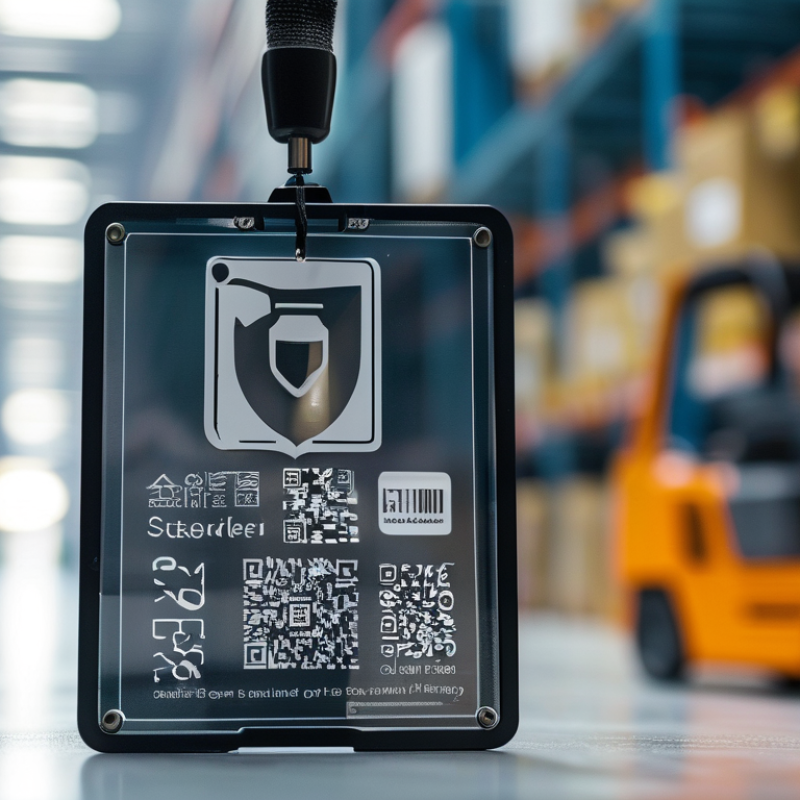
Understanding Security Barcode Labels and Their Importance
Security barcode labels play a crucial role in today's global supply chains. These labels come with unique codes that can be scanned for quick verification. They enhance product tracking and inventory management, ensuring that goods are authentic and untampered. Security features, like holograms and tamper-evident designs, add an extra layer of protection against counterfeiting. This is vital for suppliers who wish to build trust with their clients.
Understanding the importance of security barcode labels requires an awareness of potential vulnerabilities. Without proper implementation, labels may be forgery-prone. Companies must invest in high-quality printing techniques and durable materials. Regular staff training on recognizing authentic labels is essential as well. Despite these efforts, maintaining consistent security can be challenging as technology continues to evolve. Suppliers must adapt and continuously reflect on their security measures.
Distribution of Barcode Label Types in Security Applications
Types of Security Barcode Labels Used by Global Suppliers
Security barcode labels are crucial in enhancing supply chain integrity for global suppliers. These labels utilize advanced technology to ensure authenticity and traceability. According to recent market analysis, the demand for security barcode labels is projected to grow by 7.5% annually. This rising trend highlights their significance in various industries.
There are several types of security barcode labels currently in use. Tamper-evident labels provide clear evidence of unauthorized access. They often feature designs that break upon removal. Another commonly used type is holographic labels. These labels incorporate a three-dimensional image, making counterfeiting much harder. Interestingly, a report from an industry expert indicates that over 30% of firms have experienced losses due to counterfeit products.
While many suppliers use security barcode labels, challenges remain. Some suppliers struggle with integrating these systems into existing processes. Without proper training, staff may inadequately manage barcode scanning. The evolving landscape of technology also presents a challenge. Regular updates and adaptations to barcode standards are necessary. For instance, the transition from barcode systems to RFID technology is still in progress for many suppliers.
Key Features of Effective Security Barcode Labels
Effective security barcode labels play a crucial role in supply chain management. They ensure the integrity of products and enhance tracking accuracy. A good security barcode label is not just a simple identifier; it carries essential information that can deter tampering. High-quality materials are crucial. Labels must withstand environmental factors like moisture and extreme temperatures.
A key feature of these labels is their unique design. Custom colors and patterns can help prevent counterfeiting. Moreover, incorporating security features such as holograms or special inks adds another layer of protection. These elements should be clear and not overly complicated. Simplicity can be effective in promoting recognition and ease of scanning.
The balance between security and usability is important. When labels are overly complex, they can slow down operations. It's essential to find a middle ground. Regular reviews of label designs and functionalities can aid in identifying weaknesses. Continuous improvement in label technology can enhance security measures while maintaining operational efficiency.
Overall, effective security barcode labels are vital for global suppliers. They safeguard products and streamline logistics, ensuring a reliable supply chain. Companies must stay informed about advancements in labeling technology to maintain competitiveness and security standards.
Best Practices for Implementing Security Barcode Labels
The implementation of security barcode labels is vital for companies looking to enhance their supply chain integrity. According to a recent report by the Data Security Council, over 70% of businesses experienced theft or loss due to inadequate labeling processes. This statistic highlights the need for robust security measures in labeling practices.
Adopting best practices in security barcode labeling can significantly reduce risks. Clear, consistent labeling helps track products throughout the supply chain. High-quality barcode labels are durable and resistant to tampering. Regular audits of barcode usage can uncover inconsistencies and areas in need of improvement.
Tip: Use unique identifiers for each product. This approach improves tracking accuracy and makes fraud more difficult. Additionally, consider integrating advanced technology, like RFID, with barcodes for better efficiency. It’s important to continually review practices and adapt to technological advancements. Even industry leaders need to reflect on their strategies to stay secure.
Case Studies of Successful Security Barcode Label Applications
Security barcode labels are becoming essential for global supply chains. A recent study by a leading supply chain research firm indicated that over 70% of companies face challenges with counterfeiting. Barcode labels enhance product integrity and are crucial for tracking items efficiently.
One notable case involved a pharmaceutical company. They implemented security barcode labels across their distribution network. This reduced counterfeit occurrences by nearly 30%. Additionally, they reported a 25% increase in inventory accuracy. The labels provided real-time data on product movement, highlighting the efficiency of this approach.
However, issues still arise. Some businesses faced difficulties in label adhesion under varying environmental conditions. Others struggled with integrating barcode technology into legacy systems. Such challenges emphasize the need for careful planning. Operators must optimize the technology to meet specific operational requirements. This gap illuminates the journey ahead for enhancing security in supply chains.
Top Security Barcode Labels for Global Suppliers
| Application Area | Barcode Type | Material Used | Security Features | Success Metrics |
| Pharmaceuticals | QR Code | Synthetic Paper | Tamper-evident seals | Reduced counterfeit incidents by 30% |
| Retail | UPC Code | Polyester | Invisible ink | Increased inventory accuracy by 25% |
| Food & Beverage | Data Matrix | Water-resistant paper | Holographic overlay | Enhanced traceability and reduced waste by 40% |
| Logistics | Code 128 | Thermal transfer | Unique serial numbers | Improved shipment tracking efficiency by 50% |
| Electronics | EAN-13 | Polyvinyl chloride (PVC) | Heat-sensitive ink | Decreased loss of products by 20% |

 '
'
