Buying skin care across borders is no longer a simple search for attractive packaging. Buyers compare ingredients, testing methods, climate suitability, prices, and product claims. A serum that performs well in dry London may feel heavy in humid Singapore. That difference matters.
McKinsey & Company’s 2023 beauty industry report projected the global beauty market could approach $580 billion by 2027, with skin care remaining its largest category. NIQ’s 2024 State of Beauty report also highlighted continued growth in online beauty purchasing and stronger consumer interest in product value. These figures suggest opportunity, but they also demand careful judgment. Sales data alone cannot prove product quality.
The guide “10 Skin Care Tips for Global Buyers” focuses on practical decisions. It will examine ingredient lists, batch information, packaging stability, seller credibility, and regional labeling requirements. Buyers should check whether claims are supported by transparent evidence, not just polished influencer content. Products should also match local weather, water conditions, and personal sensitivity.
Small details help. Look for sealed pumps, readable expiry information, and storage instructions that survive long shipping. Patch testing remains sensible, even when a product has excellent reviews. It is not glamorous.
Professional guidance matters, but no single source is perfect. Dermatology advice, manufacturer documents, recognized certification systems, and official regulatory databases can provide stronger evidence than anonymous comments. Requirements also differ between markets, so buyers should verify current local rules before importing cosmetics. A careful approach may take longer. It can prevent costly mistakes, avoid misleading promises, and make skin care purchasing more informed, safer, and realistic.
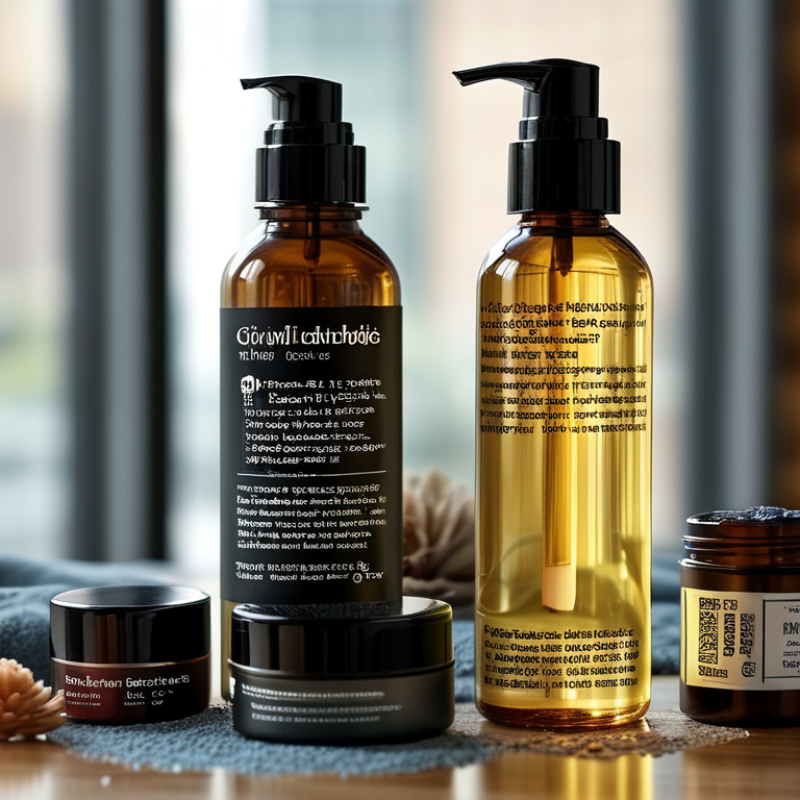
Global skin care begins with understanding your skin, not copying another person’s routine. Skin may be oily, dry, combination, sensitive, or dehydrated. These descriptions can overlap. A dry cheek and oily forehead are common. Skin type can also change with age, weather, stress, medication, and hormonal shifts. In humid regions, lightweight textures may feel comfortable. Cold, windy climates may require richer moisture and barrier support. Local water quality can matter too.
Tip: Observe your skin for two weeks. Note tightness, shine, redness, flaking, and breakouts after cleansing. Use one new product at a time, then patch test it on a small area. This makes reactions easier to identify. Fragrance-free formulas may suit sensitive users, but “natural” does not always mean gentle. Ingredients still matter. Avoid changing everything at once.
Individual needs deserve careful attention. Someone with acne-prone skin may prefer non-comedogenic products, while someone with eczema-like irritation should seek professional advice. A dermatologist can assess persistent redness, itching, or painful lesions more reliably than online advice. Sunscreen needs depend on daily exposure, clothing, and location. Reapply during prolonged outdoor activity. Skin care is not perfectly predictable. A product that feels excellent in winter may feel heavy in summer. Reconsider your routine when your skin changes, and keep the steps simple enough to follow consistently.
10 Skin Care Tips for Global Buyers?
Choosing Safe Products for Different Skin Concerns
Start by naming your concern clearly: dryness, oiliness, redness, acne, or uneven tone. Skin changes with climate, water quality, stress, and seasonal humidity. A rich cream may feel helpful in winter but uncomfortable in a tropical city. Check the full ingredient list, not only the front label. Look for clear directions, batch details, expiration information, and sealed packaging. Avoid products with damaged seals or unclear storage instructions.
Sensitive skin needs patience. Choose fewer ingredients when possible, especially if fragrance causes stinging. Patch-test a small area near the jaw or inner arm for several days. Stop using the product if burning, swelling, or persistent redness appears. Introduce one new item at a time. This makes reactions easier to identify. I once changed three products together and learned very little from the irritation that followed. My mistake.
For acne-prone skin, select lightweight textures and avoid aggressive scrubbing. Dry skin often needs gentle cleansing and a moisturizer applied to slightly damp skin. When buying sunscreen, check its protection claims and local approval requirements. Reapply according to the label, especially after sweating or swimming. Consider climate, travel temperature, and storage conditions before ordering internationally. A dermatologist or qualified local pharmacist can help with recurring rashes, severe acne, or suspected allergies. Online reviews can describe real experiences, but they cannot replace professional assessment.
| No. | Skin Concern | What to Look For | Ingredients Commonly Used for This Concern | Ingredients or Features to Use Carefully | Safe Buying and Usage Guidance |
|---|---|---|---|---|---|
| 1 | Dry or Dehydrated Skin | Fragrance-free creams or lotions with humectants, emollients, and occlusive ingredients. |
| Strong exfoliating acids, high-alcohol formulas, and heavily fragranced products may increase dryness or irritation. | Apply moisturizer to slightly damp skin and choose a richer texture in cold or dry climates. |
| 2 | Oily or Acne-Prone Skin | Lightweight, non-comedogenic, oil-free, or gel-based products. |
| Avoid harsh scrubbing and excessive cleansing, which can irritate the skin and worsen oiliness. | Introduce one active ingredient at a time. Use sunscreen because some acne treatments can increase sun sensitivity. |
| 3 | Sensitive or Easily Irritated Skin | Short ingredient lists, fragrance-free formulas, and products designed to support the skin barrier. |
| Essential oils, added fragrance, harsh scrubs, and multiple active ingredients may trigger irritation. | Patch test before regular use and stop using the product if persistent burning, swelling, or rash develops. |
| 4 | Uneven Tone or Dark Spots | Products with clearly stated active ingredients and broad-spectrum sun protection. |
| Unregulated lightening products may contain undeclared corticosteroids, mercury, or other unsafe substances. | Daily broad-spectrum sunscreen is essential. Check local rules because ingredient restrictions vary by country. |
| 5 | Sun-Sensitive Skin | Broad-spectrum sunscreen labeled with an appropriate SPF and clear directions for use. |
| Do not rely on makeup or moisturizer alone unless the product is specifically tested and labeled as sunscreen. | Apply generously, reapply after swimming or sweating, and use hats, clothing, and shade for additional protection. |
| 6 | Mature or Loss-of-Firmness Concerns | Moisturizers, antioxidant products, and clinically supported retinoid formulas where appropriate. |
| Retinoids may cause dryness and irritation. They are generally not recommended during pregnancy without medical advice. | Start slowly, use moisturizer, and apply sunscreen daily. Follow local labeling and medical guidance. |
| 7 | Redness-Prone Skin | Gentle, fragrance-free products with soothing and barrier-supporting ingredients. |
| Hot water, strong exfoliation, fragrance, and high concentrations of active ingredients may intensify redness. | Introduce products gradually. Persistent flushing, visible vessels, or painful inflammation should be assessed by a healthcare professional. |
| 8 | Eczema-Prone or Compromised Barrier | Rich, fragrance-free emollients with minimal ingredients and suitable preservation. |
| Fragrance, essential oils, alcohol-heavy formulas, and exfoliating acids may aggravate compromised skin. | Use products intended for sensitive skin and seek medical advice for severe itching, cracking, oozing, or infection signs. |
| 9 | Combination Skin | Lightweight, balanced products that can be adjusted by area rather than using one heavy formula everywhere. |
| Very rich occlusive products may feel heavy on oily areas, while strong mattifying products may dry normal areas. | Use a lighter moisturizer on oily zones and a richer product on dry zones. Avoid over-cleansing the entire face. |
| 10 | Travel, Climate, and Water Changes | Sealed packaging, stable formulas, clear expiration information, and textures suitable for the destination climate. |
| Products exposed to excessive heat, freezing temperatures, direct sunlight, or repeated contamination may lose quality. | Check packaging integrity, batch or expiration information, storage instructions, and the destination country's cosmetic requirements. |
General safety note: Always review the full ingredient list, follow the product directions, perform a small patch test when appropriate, and confirm that the product complies with the cosmetic regulations of the destination market. Stop use and seek professional advice if a serious or persistent reaction occurs.
A simple daily skin care routine should fit your skin, climate, and available time. I have learned that consistency matters more than a crowded bathroom shelf. In the morning, wash with lukewarm water and a gentle cleanser. Avoid hot water, which can leave skin tight and uncomfortable. Apply a lightweight moisturizer while your skin is slightly damp. Finish with broad-spectrum sunscreen when daylight reaches your skin. Reapply after swimming, heavy sweating, or long outdoor periods.
At night, cleanse away sunscreen, dust, and makeup before moisturizing again. Keep the routine simple at first. Add only one new product at a time, then watch your skin for several days. A small patch test can reduce surprises, although it cannot guarantee complete safety. Choose clearly labeled ingredients, sealed packaging, and usage directions suited to your country. Local heat and humidity may require lighter textures, while dry or cold weather may need richer moisture. Skin changes.
I once assumed a stronger cleanser would remove oil better. It only made my cheeks feel rough and reactive. That mistake taught me to adjust slowly. Persistent redness, swelling, painful acne, or itching deserves advice from a qualified medical professional. For international buyers, check local cosmetic rules and allergy information before ordering. Keep products away from direct sunlight, and respect their stated storage guidance.
This chart presents a simple evidence-based daily baseline: cleanse twice daily, moisturize after cleansing, and apply broad-spectrum sunscreen once in the morning. The American Academy of Dermatology also recommends reapplying sunscreen approximately every two hours when outdoors, and after swimming or sweating. Individual needs may vary depending on skin type, climate, and activity level.
Skin care changes when the weather changes. A routine that works in a dry apartment may feel heavy in tropical humidity. Check temperature, humidity, wind, sunlight, and air quality before buying products. Local water matters too. Hard water can leave skin tight after washing, especially on the cheeks.
Use a gentle cleanser in dry or cold regions. Apply a richer moisturizer while skin is still slightly damp. In humid climates, choose lighter textures and avoid layering too many products. Sweat can mix with dust, so cleanse after outdoor activities. Strong sunlight calls for broad-spectrum sunscreen and protective clothing. Reapply sunscreen after swimming, heavy sweating, or long outdoor exposure.
Cold wind can damage the skin barrier. Cover exposed areas with a scarf or soft fabric. In polluted cities, wash your face carefully at night, but avoid harsh scrubbing. Travel-sized products can reduce waste and help you test a routine gradually. Patch-test new products on a small area for several days. Stop if burning, swelling, or a persistent rash appears.
I once packed a heavy cream for a humid destination. My skin became oily and uncomfortable. That plan was too simple. Skin also changes with age, stress, medication, and seasonal travel. Keep notes about dryness, redness, and breakouts. A qualified dermatologist can help when symptoms continue or worsen. Local advice is useful, but individual skin still needs careful observation.
When I evaluate skincare for global purchase, I start with product quality, not attractive packaging. Check the intact seal, batch code, expiry date, and storage instructions. Read the label twice. A complete INCI ingredient list helps verify what is actually inside. Compare ingredients with your skin needs, especially fragrance, essential oils, alcohol, and known allergens. Patch-test a small area for 24 to 48 hours before regular use. Stop if irritation begins.
Global compliance requires separate checking for every destination. Confirm whether the product is classified as a cosmetic, sunscreen, or therapeutic item locally. Claims such as “heals,” “treats,” or “SPF” may require stronger evidence and different approvals. Check restricted ingredients, allergen disclosures, required language, and importer information through the destination’s official authority. Some rules vary. Never assume approval in one country applies everywhere. Ask for safety assessments, stability data, and batch-specific microbiological testing when available.
For online purchases, inspect seller transparency and shipping conditions. Heat and sunlight can damage active ingredients before delivery. Request clear photos of the label and manufacturing details. Keep records. I sometimes focus too much on texture and forget documentation. That is a real mistake. A plain-looking product with traceable testing may be more dependable than an impressive claim. Review customer feedback carefully, but treat personal results as limited evidence. During my own evaluations, I also recheck regulations because requirements and product formulas can change.
We now offer custom-made commercial vehicle tarps, along with the ability to design your own curtains, noise panels, and strip doors—tailored to your exact needs!
At Singer Safety, we specialize in manufacturing high-performance tarps engineered to safely secure and protect your vehicle loads during transport.